
When people talk about Apple devices, one of the first things that comes to mind is their price.
Apple products are known for their premium pricing and global desirability. This makes them highly attractive to thieves, who know that these devices hold their value even after being used. Among all Apple products, iPhones are particularly sought after because they are portable, compact, and easy to steal without drawing much attention.
Thieves can quickly resell stolen iPhones on the black market, through online marketplaces, or via less-regulated secondhand vendors for a significant profit.
Even if a stolen iPhone cannot be activated, thieves can still disassemble the device and sell its parts individually, which can also be highly lucrative.
Apple has implemented several features to reduce the appeal of stealing iPhones, like the Find My iPhone, Activation Lock and iCloud Lock.
This time, Apple is ramping things up a bit.
According to reports, Apple is introducing iOS 18 with an enhanced security feature designed to reduce the profitability of iPhone theft, particularly in the resale of stolen parts.
Apple's Activation Lock already prevents anyone from activating a stolen iPhone without the original owner’s Apple ID and password. This has significantly diminished the market for stolen iPhones, as thieves can no longer reset and sell them as fully functional devices.
However, since thieves could still dismantle iPhones and sell the parts, Apple is now extending Activation Lock to include individual iPhone components. This new feature, available to developers and public beta testers, locks each part of the iPhone to the original owner’s Apple ID, making it much harder for thieves to resell the components.
If a repair shop installs a part from a stolen iPhone, users will receive a notification alerting them that an "Unknown Part" has been used. This warning can lower the resale value of the device and complicate future service at Apple Stores.
Apple first announced the feature in April, stating it would still allow the use of genuine used iPhone parts in repairs. However, the new system ensures that stolen components cannot be reused without triggering a warning. Although the part may still function, it will be flagged in the Settings app, making it easily identifiable.
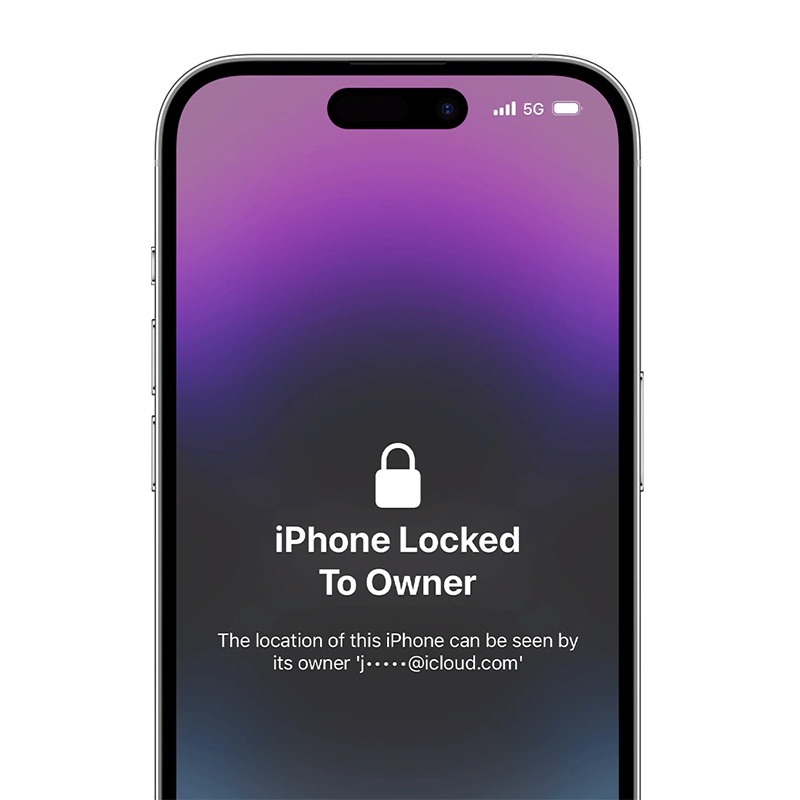
While this new feature is expected to decrease the resale value of stolen iPhone parts and make theft less profitable, it won’t entirely stop thieves from their activities.
First, is the lack of immediate awareness. New security measures are frequently introduced, and many users might not be aware of the latest features right away. This means not everyone will activate new security options immediately, and some might not update to the latest iOS version as soon as it’s available. This delay gives thieves a window to carry out their crimes before the new measures take full effect.
Additionally, thieves may not immediately learn about the new Activation Lock extension or its implications.
Second, is bypassing security measures. Organized crime groups and experienced thieves often have the knowledge and tools to bypass security measures. They might use illicit techniques such as hacking or resetting devices.
Furthermore, stolen iPhones might be sold in regions where Activation Lock and other security features are less enforced or less effective.
In summary, while the new security features are a significant step forward, they may not completely eliminate iPhone theft due to awareness delays and the persistent ingenuity of thieves.






















































































































































































































































































