 Long gone the way we used to talk via SMS, and the "walled chatting" platforms. Now, as mobile is everywhere, cross-platform instant messaging apps are getting themselves a huge attention. Facebook has been known for its attempt to dominate the chat and messenger market for years. In fact, if it sees an app or other site used for messaging becomes too popular, the company will simply acquires it and takes over.
With that strategy it's competing in the stratosphere by owning most of the market (with Messenger, and also with its acquired WhatsApp). But the competition is just getting fierce as Snapchat is up against Facebook with a major update.
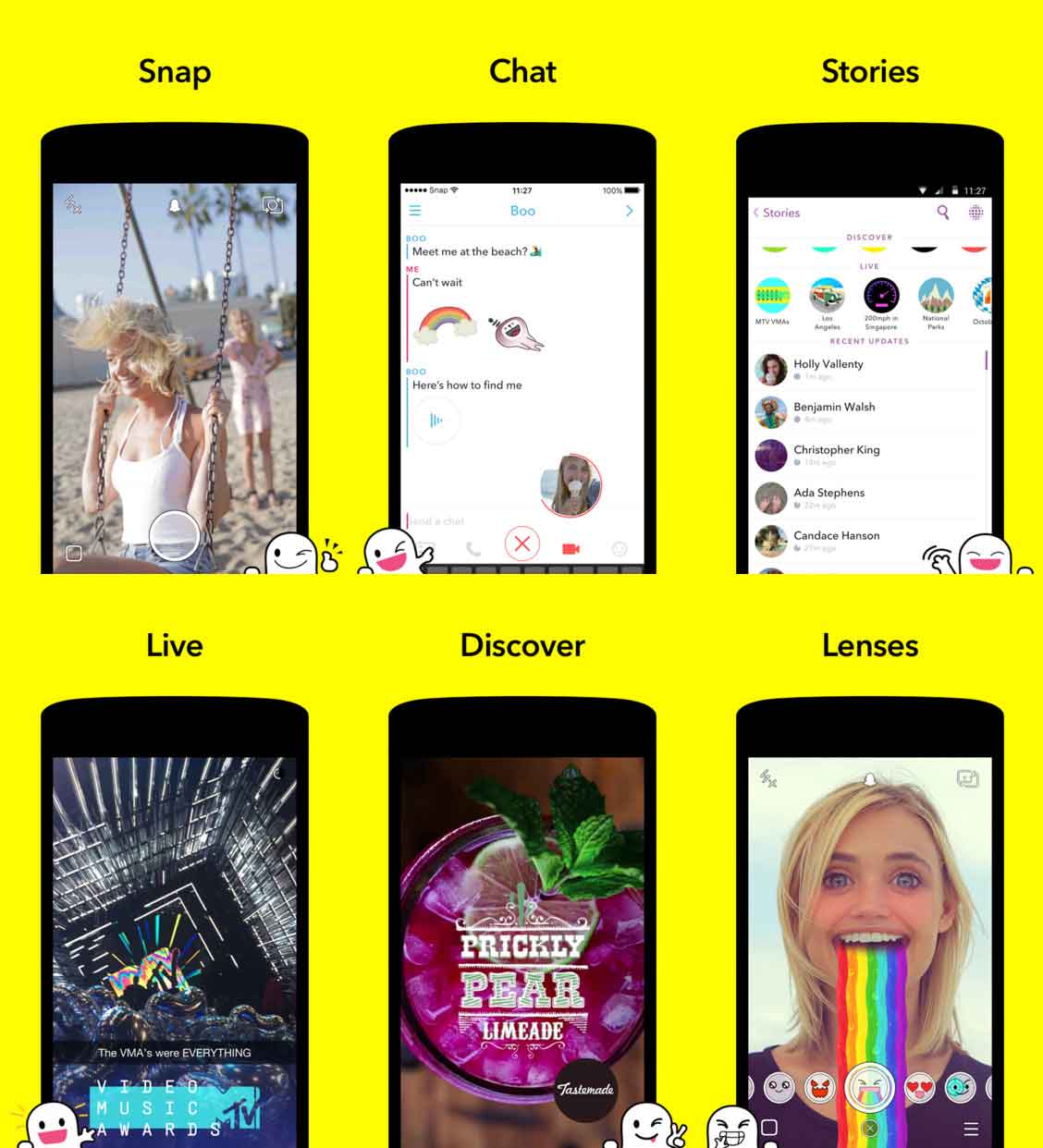
The update called the Chat 2.0 is a significant move by Snapchat. The messaging platform was synonym for teens as it's popular with those that use it for "sext" and sending messages they never want their parents to know. Snapchat was popular for sending those messages that would disappear once they had been read. But now, it's aiming for the bigger audience.
Snapchat doesn't want to be the messaging platform popular for kids, and Facebook should be worried about that.
Chat 2.0 introduces some interesting and new features, and all of them are aimed to compete straight against Facebook's Messenger.
First of all, it allows users to make voice calls and send audio and video messages. It also has its own private video-call service, in which users can choose who they want to talk to and start shooting video. Each guest can chime in with his or her own audio or video response, or simply text back.
As for another part of the update, Snapchat also includes the addition of stickers in the messaging.
A Fight For The Same Audience
Snapchat thrives as it's popular with young generation users. To compete with the stronger Facebook Messenger which has more audience and a larger market, Snapchat is like replicating what Facebook is doing. As an example, Snapchat acquired the company Bitstrip, the maker of the popular Bitmojis that went viral and became a business in 2013 thanks to it being popular on Facebook.
But that doesn't mean Facebook is staying still. The social giant is also taking its chance to "borrow" some parts of Snapchat.
In early 2016, Facebook bought Masquerade, an app that looks identical to Snapchat’s most famous filter feature. There is also a new feature on Messenger that is in the work called Secret Conversations.
While Facebook is still having a huge advantage thanks to its popular presence and its number of users, Snapchat's new features could indeed pose at least some problems to the social giant. Snapchat is still growing and Facebook shouldn't neglect the threat.
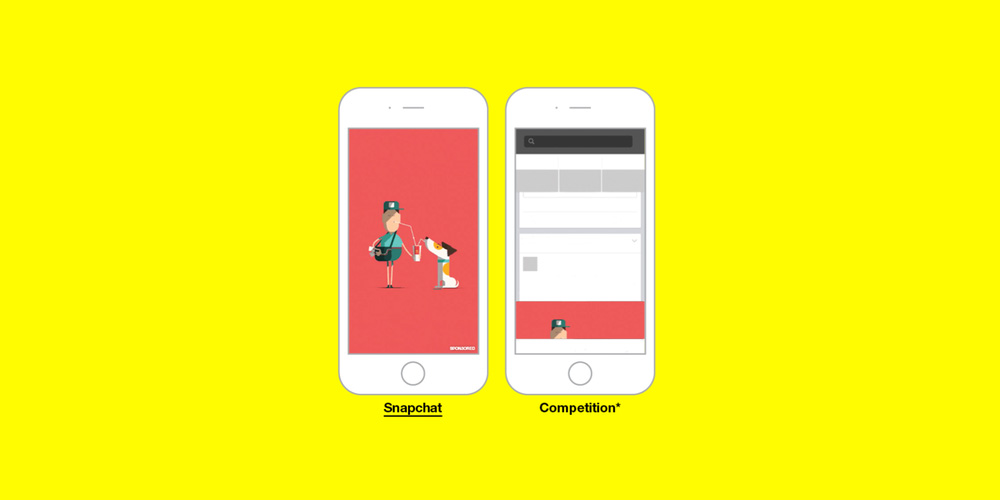
One of the biggest concerns Facebook might have is about Snapchat's way in putting its user base aside advertisers. Facebook is ad-minded and it's success relies heavily on those that want to advertise. But Snapchat's business model is by drawning businesses that can pay to get the attention of users in a more social way.
Snapchat's ads are relevant in the context of something, rather than whether a user has engaged with that something or not. Snapchat's CEO Evan Spiegel once blasted standard online ad industry practices, such as tracking users' web visits, as "creepy."
This has made Snapchat to create topics that are relatively more fun, interesting and more time sensitive. For Facebook to compete with Snapchat, the company should rethink about how it will show ads because Snapchat's ads offering are less intrusive.
This alone could mean trouble for Facebook.
The Battle For Supremacy
As for social media and instant messaging, and to almost any online products that offer their services for free, getting more users is the key to grow. Facebook has succeeded in exceeding more users than practically anything else, but Snapchat is going up pretty fast.
Messaging and video are two of the biggest battleground for the two. Both Facebook and Snapchat are competing for the same audience for the same attention.
Facebook with its Messenger, and also WhatsApp, has conquered most of the market. Over time, the company also added things like stickers by borrowing the popular feature from Asian messaging apps. Facebook also added the ability to talk to businesses or hail an Uber. Beyond simple text messaging, Messenger has turned to become a social place for almost anything.
Snapchat on the other hand is (was) more oriented. Previously, the popular platform is having huge fans from teenagers and kids. But as it continues and matures, it has added more things under its disposal. Some of which are: Live Stories which curate different points of views from events around the world; its Discover section which allows publishers to create contents specifically for the company's vertical video format.
Those are somehow in line with Facebook's strategy. The social giant responded the threat by redoubling its effort on videos by prioritizing professionally-produced videos and emphasizing new live-video streaming features that offer the in-the-moment feel that Snapchat users like.
And now with Chat 2.0, Snapchat added most of the Facebook messaging features and more. From audio and video notes as well as calling, stickers, the ability to upload photos into messages, etc.. The battle is heating, especially when both claimed to have 8 billion video views a day.
While both has success in their own ways, Facebook and Snapchat approaches their revenue in a different way. Snapchat sees its biggest money-making opportunity in redirecting advertising dollars away from television, rather than trying to steal ad dollars from competitors.
But the two are increasingly compete for the same dollars when Facebook is also trying to target TV ad budgets with its emphasis on live video by pulling publishers in. Snapchat is softening its stance when it gives advertisers some general idea to who their ads are shown to.
Facebook has spent millions since 2012 to catch up to Snapchat, but still Snapchat is posing an increasing threat. Snapchat's daily active users are spending an average of 25 to 30 minutes a day on the app, and that isn't something to ignore by Facebook.
Although Facebook's number of users are still way above Snapchat, it's struggling to keep everything in one place. On the other hand, Snapchat is still growing (meaning: has less users to worry about when concerning how to keep users from getting away). Facebook's opportunity to blast Snapchat out of the equation would be possible if the company can continue to capture users' attention, an effort that is becoming increasingly harder thanks to Snapchat in the way.






















































































































































































































































































