AI is when intelligence is shown in non-living things.
When computers are equipped with AI, they can become smarter in ways that they can learn from patterns and respond with responses that aren't previously programmed.
For this reason, AI can be made to create arts that even the AI creators themselves have no idea of.
And just like any other works, some suggested that AI-created arts should be copyrighted to prevent usage without permission.
But according to the U.S. Copyright Office, this is not possible.
Officials have again denied efforts to copyright an item that isn't created by humans.
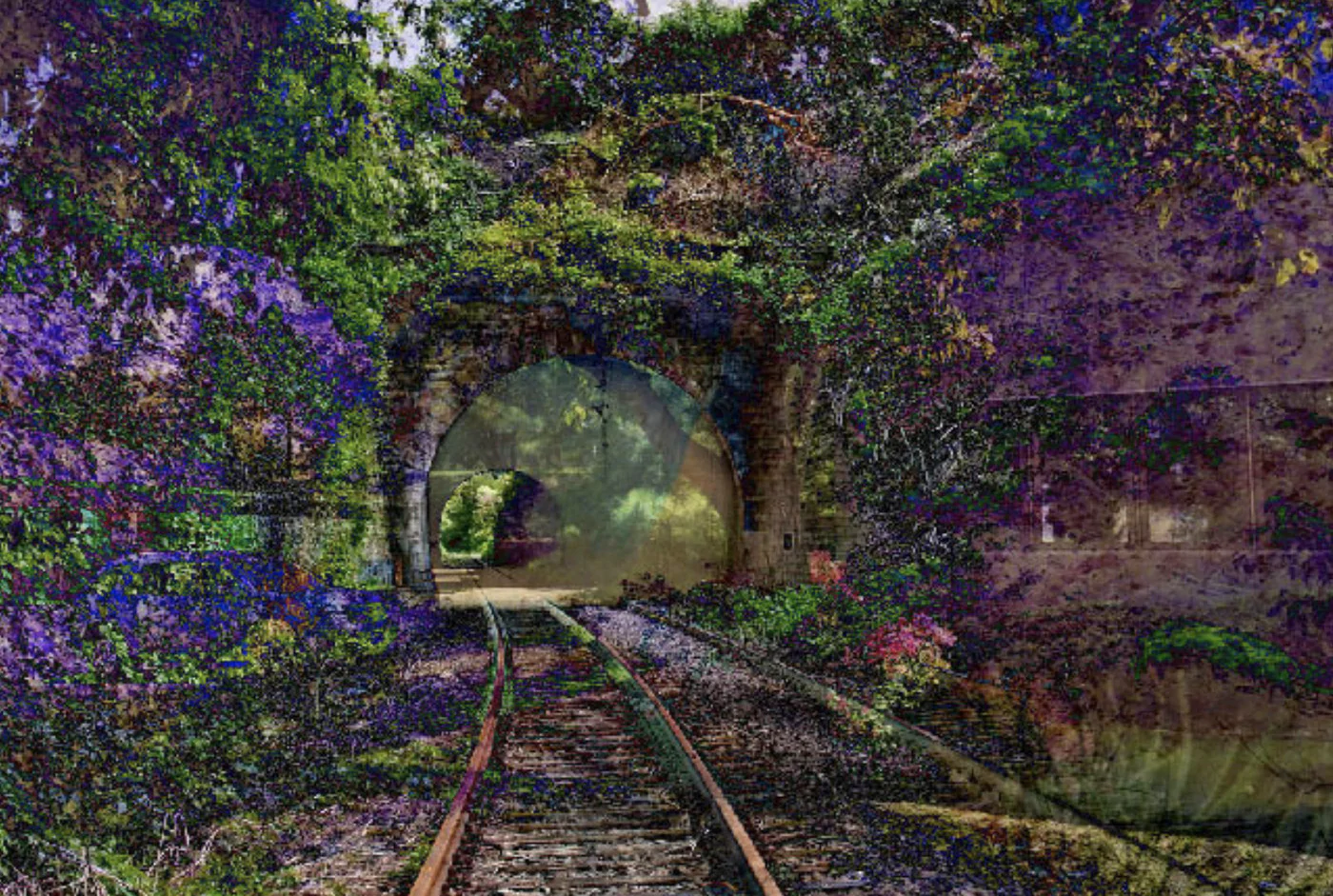
It all began when Dr. Stephen Thaler, the President and CEO of Imagination Engines, Inc., in St. Charles, Missouri, attempted to copyright a piece of art titled A Recent Entrance to Paradise.
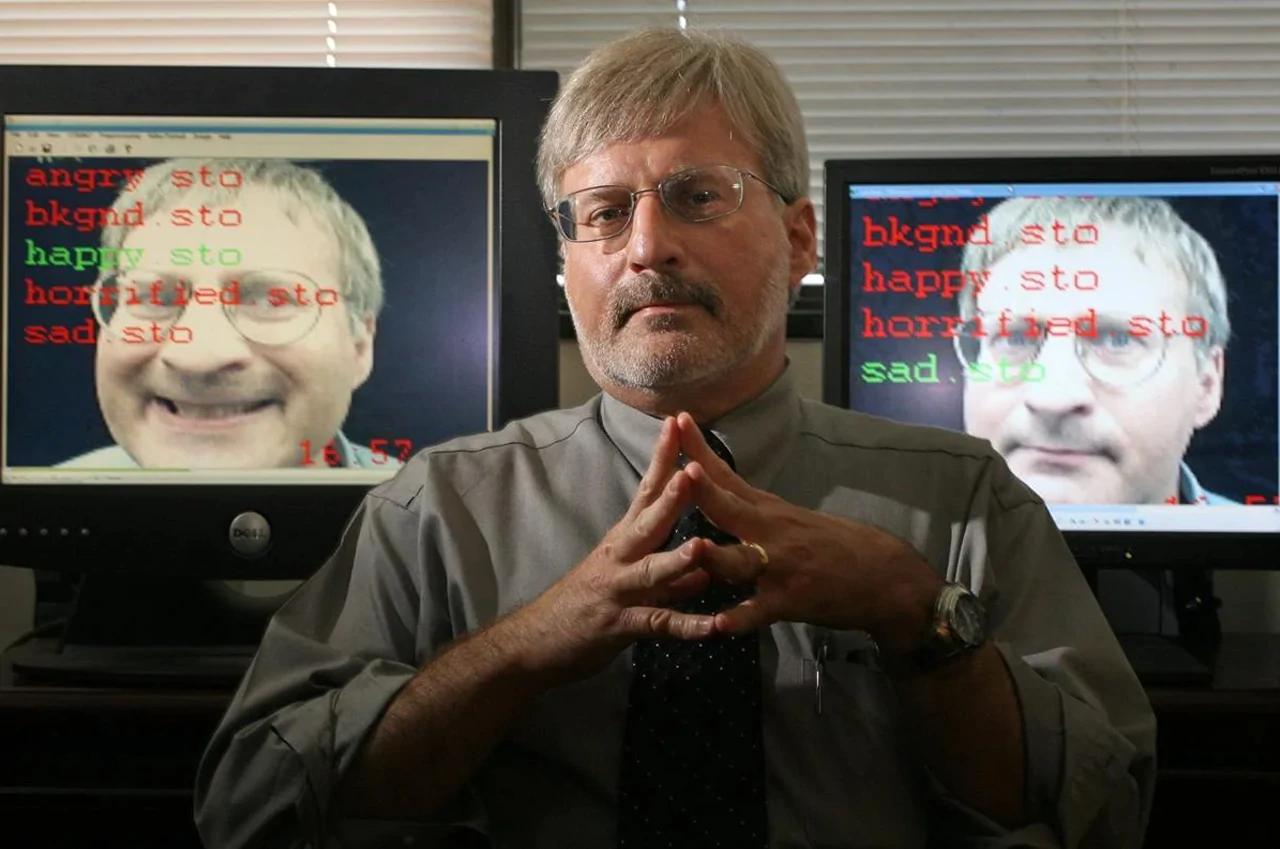
Thaler is known to build creative neural systems for both industry and government.
In a second attempt and request, Thaler wants officials to reconsider a 2019 ruling that the U.S. Copyright Office's “human authorship” requirement.
At first, the agency accepted that the work was created by an AI, which Thaler calls the 'Creativity Machine'.
Because of this, Thaler commenced and tried to register the work as "as a work-for-hire to the owner of the Creativity Machine.”
But here, the U.S. Copyright Office said that the copyright law can only offer protections to "the fruits of intellectual labor" that "are founded in the creative powers of the [human] mind."
What this means, any work that wants to be copyrighted "must be created by a human being."
Because of this, the office said that it cannot register the AI's work, simply it was "produced by a machine or mere mechanical process" that lack intervention or creative input from a human author.
The main reason, is because Thaler failed to provide evidence that A Recent Entrance to Paradise is the result of human authorship.
The U.S. Copyright Office also said that Thaler couldn't convince the office "to depart from a century of copyright jurisprudence."
The ruling noted that courts at several levels, including the Supreme Court, have "uniformly limited copyright protection to creations of human authors"
And in the lower courts, previously, they have "repeatedly rejected attempts to extend copyright protection to non-human creations," such as for photos taken by monkeys.
Thaler didn't just apply for the copyright in the U.S., as he also tried to put the copyright and patent laws in a number of countries.
In the past, Thaler has attempted to have an AI called DABUS to be recognized as the inventor of two products in patent applications. The U.S. Patent and Trademark Office, the UK Intellectual Property Office and the European Patent Office rejected his application because the credited inventor wasn't human.
Thaler however, met positive responses from Australia. There, a judge ruled that AI-created inventions can qualify for patent protection.
In South Africa, Thaler was also granted a patent for one of his products, noting that "the invention was autonomously generated by an artificial intelligence."














































































































































































































































































