Deep in the heart of Brazil's Amazonas state, where the mighty river weaves through remote floating communities life moves through the rhythm of the water.
However, a crime of unimaginable brutality shattered the quiet town of Jutaí in September 2024.
What began as an ordinary evening on a family's modest boat at the local port ended in a nightmare that would spark one of the most visceral displays of street justice ever broadcast live across the internet. The events unfolded with shocking speed, fueled by a confessed monster's own words.
Every horrifying second from the abduction to the flames was captured on phones and shared relentlessly on social media.
This turned a local tragedy into a global spectacle of rage and retribution.

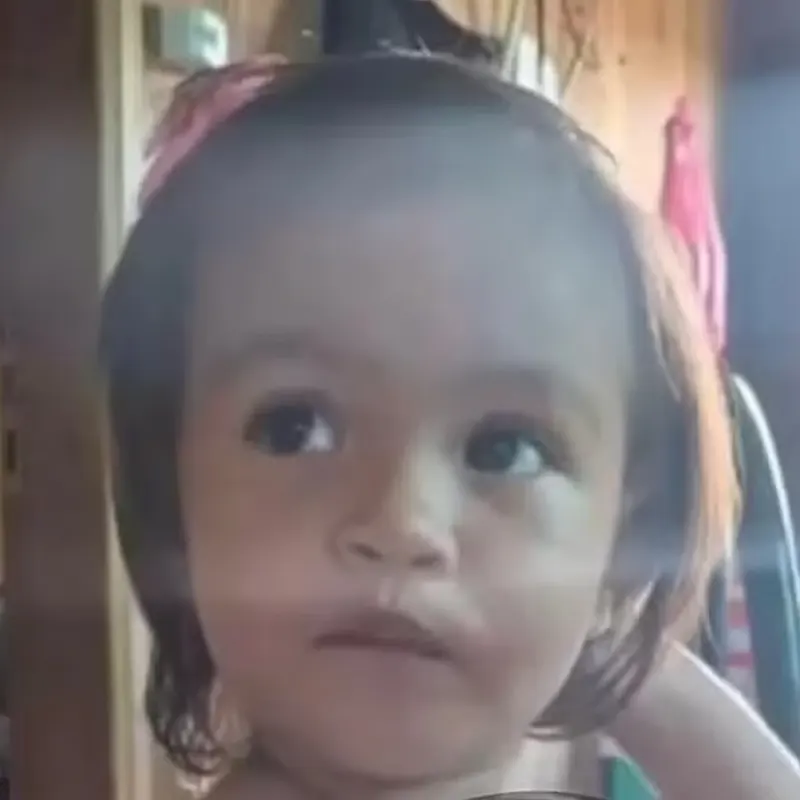
It all began on Wednesday, September 18, 2024, when 19-year-old mother Vitória Assis Nogueira kissed her 1-year-and-7-month-old daughter, Laylla Vitória de Assis, goodnight.
She tucked the toddler into bed on their floating home at the Jutaí port. The little girl, still too young to walk on her own, drifted off under the gentle sway of the Amazon waters.
By morning she had vanished without a trace.
Panic spread instantly through the tight-knit riverside community. Family, friends, and neighbors launched desperate searches along the docks and riverbanks. They scoured every corner where the child had last been seen. Hours turned into a full day of agony with no sign of Laylla.
Surveillance footage from the port area soon provided a chilling clue: a local man had been spotted near the boat that night.
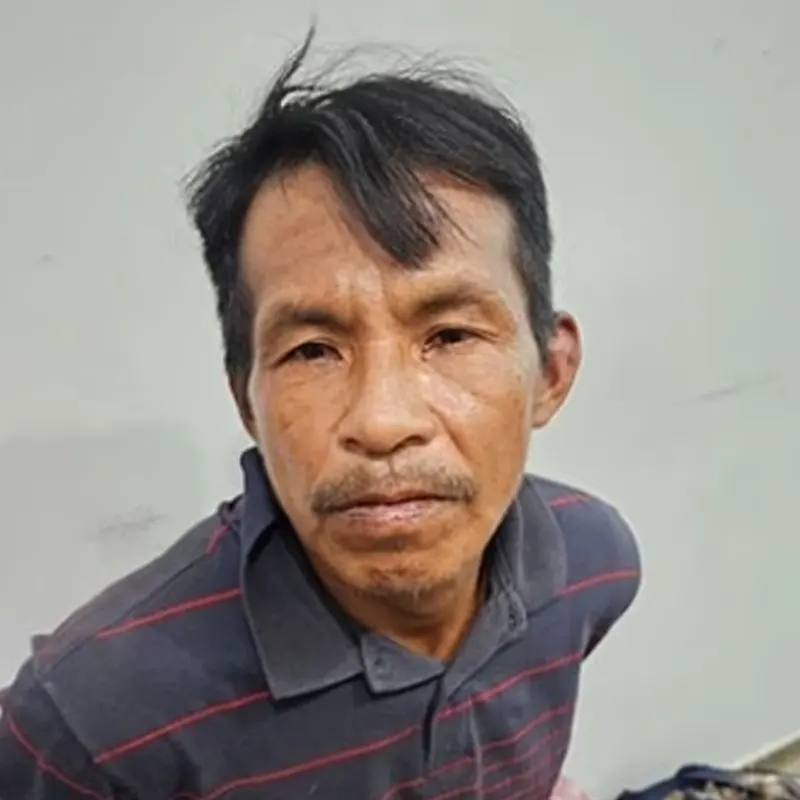
The next day, on Thursday, the police identified 48-year-old Gregorio Patrício da Silva, a well-known ice-cream and popsicle vendor who made his living selling treats to children in the neighborhood.
Confronted with the evidence, da Silva turned himself in at the 56ª Delegacia Interativa de Polícia.
Under questioning, he confessed without hesitation or remorse to the unthinkable.
He admitted to sneaking onto the floating boat in the dead of night.
He confessed to have abducted the defenseless toddler, subjected her to brutal sexual assault and rape, murdered her, and then dumped her tiny body into the river like discarded waste.
While Laylla's body was never recovered from the Amazon's murky waters, one thing is certain: the details he provided left no room for doubt.
The crime was as depraved as it was premeditated.
It targeted an infant who had barely begun to experience the world.
This fact was so devastating that it was literally the final layer of torment to the family's grief.
Soon after the word of the confession spread, it exploded through Jutaí like wildfire. Within hours a crowd began gathering outside the police station. Their anger was growing by the minute.
What started as a protest for justice quickly turned into something far more explosive: as the night fell on that same day, hundreds of enraged locals, including mothers, fathers, and neighbors who had known Laylla since birth, stormed the police station. They came armed with Molotov cocktails, fireworks, bottles, as well as pretty much anything that can get their hands on.
Fueled by raw fury, the mob quickly overwhelmed and outnumbered the civil and military police officers who tried to hold them back.
The mob burst inside and shattered the fragile barrier between law and vengeance. They dragged the handcuffed da Silva out into the street.
There the real horror began.
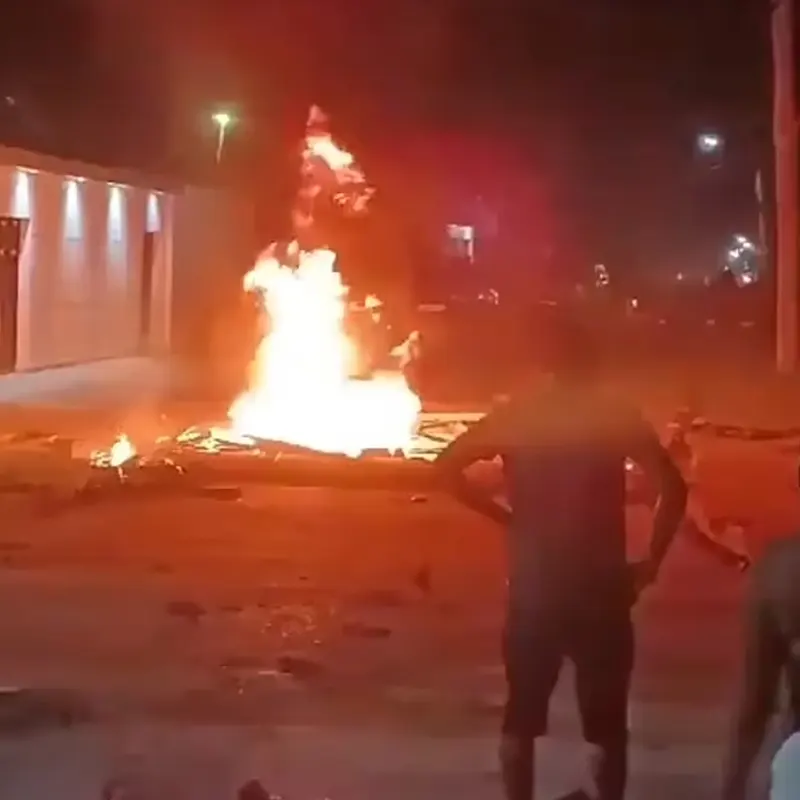
All of it was filmed from every angle and livestreamed in real time to the world.The videos, now infamous across social media, show the chaos in unflinching detail. Gregorio da Silva was surrounded by the seething crowd.
He was pelted with rocks, sticks, and anything within reach. He was beaten mercilessly. Fists, kicks, and blows rained down until he collapsed motionless on the ground.
Then, as cheers and chants echoed through the streets, someone doused his body with gasoline. All it took was a small flame to engulf the child rapist and killer into a roaring inferno.
The man, barely alive and greatly in pain, didn't stop the mob from torturing him.
One rioter suddenly slammed a large piece of wood over his burning form while others piled on wooden pallets. This ensured the fire consumed him completely. An ambulance eventually arrived but it was far too late.
Da Silva's charred remains lay smoldering in the dirt as the crowd continued to jeer and film.
They broadcast the entire lynching to millions online.
Among the faces visible in the throng was Laylla’s own mother, Vitória.
Her grief had transformed into a force that helped drive the vigilante storm.
The graphic footage spread like a virus.
Livestreams and clips captured every moment: the storming of the station, the dragging, the beating, the ignition, the cheers, and even the ambulance pulling up amid the blaze. Social media platforms lit up with reactions. Some condemned the barbarity of mob justice while others hailed it as the only fitting punishment for a man who had stolen an innocent life in the most horrific way possible.
In Brazil, where violent crime against children has long strained public trust in the justice system, many viewed the events as a breaking point.
"Why didn’t you do it to me, Lord? I deserve it," Vitória was heard sobbing in one heartbreaking video.
Her words captured the depth of a mother’s despair.
In the days and months that followed, authorities attempted to restore order.
A few days later, the police made no arrest in connection with the lynching.
Laylla's body remained lost to the river. But pressure mounted. Investigations led to the arrest of Vitória herself for her role in inciting the crowd. Three other individuals involved in the riot were also taken into custody. Trials and legal proceedings stretched into 2025.
They reignited debates about vigilantism, police protection, and the limits of community outrage in the face of unspeakable evil.
Gregorio da Silva’s confession had sealed his fate in the eyes of Jutaí's residents long before any courtroom could intervene.
In their view he had forfeited every right to due process the moment he laid hands on that baby.Jutaí, a town of just over 50,000 nestled along the Solimões River, is no stranger to hardship.
This crime pierced the community's soul in a way few others could.
The floating boat homes, once symbols of resilience and simple river life, now stood as silent witnesses to unimaginable loss. The vendor who once sold popsicles to smiling children had revealed himself as a predator hiding in plain sight.
The town's response, swift, fiery, and unapologetic, reflected a collective decision that some monsters do not deserve the luxury of a slow legal grind.
After years, the lynching of Gregorio da Silva remains as a raw, unfiltered testament to human limits. It was not just justice served on the streets of Jutaí, but also a warning broadcast live for the world to see. When the system fails the innocent in the most grotesque ways, the people may choose fire over forgiveness.
The river may have claimed Laylla's body but the flames of that night etched her story and the mob's response permanently into the digital age.