In the fast-paced and fiercely competitive realm of K-pop, where intricate choreography meets daring fashion choices, the risk of a wardrobe malfunction is ever present and can instantly shift the focus from artistic expression to public scandal.
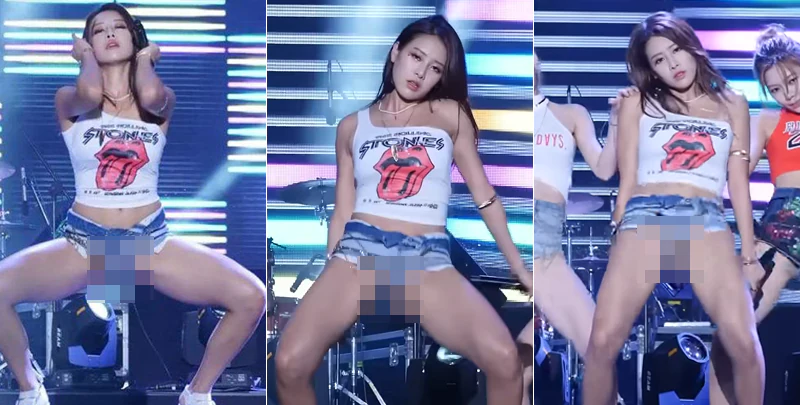
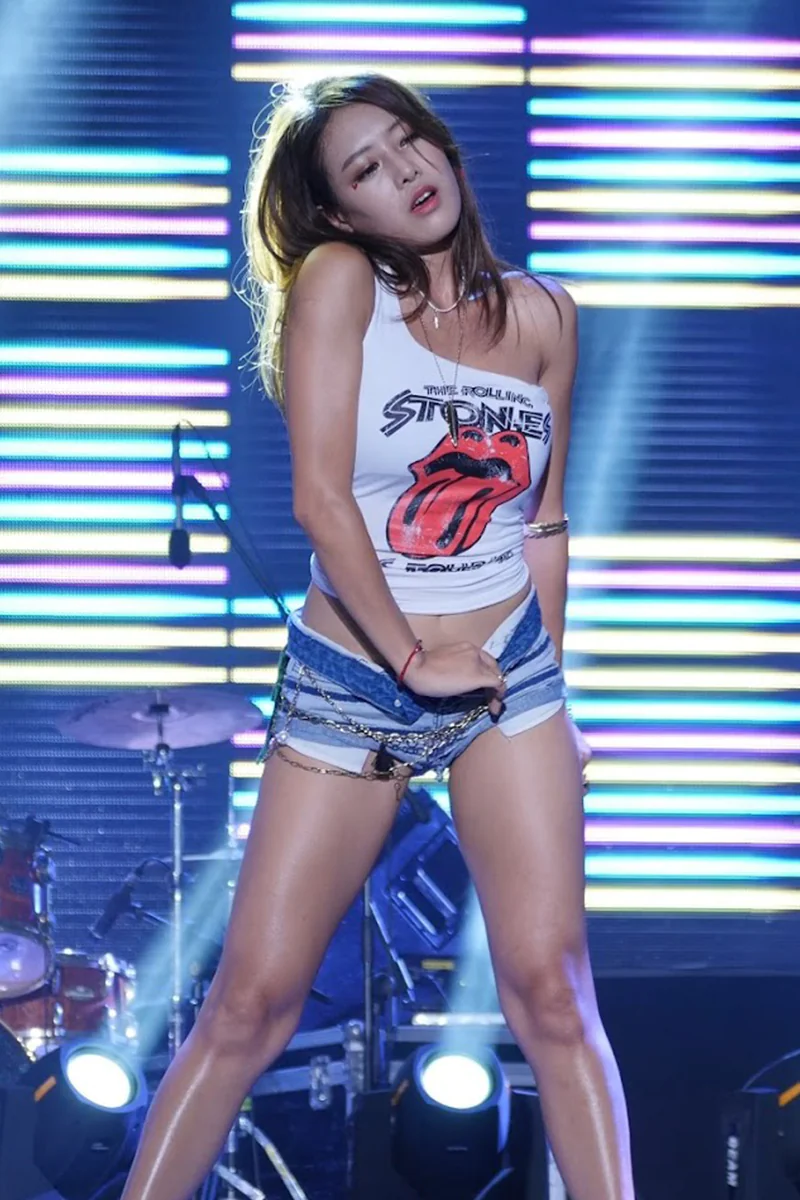
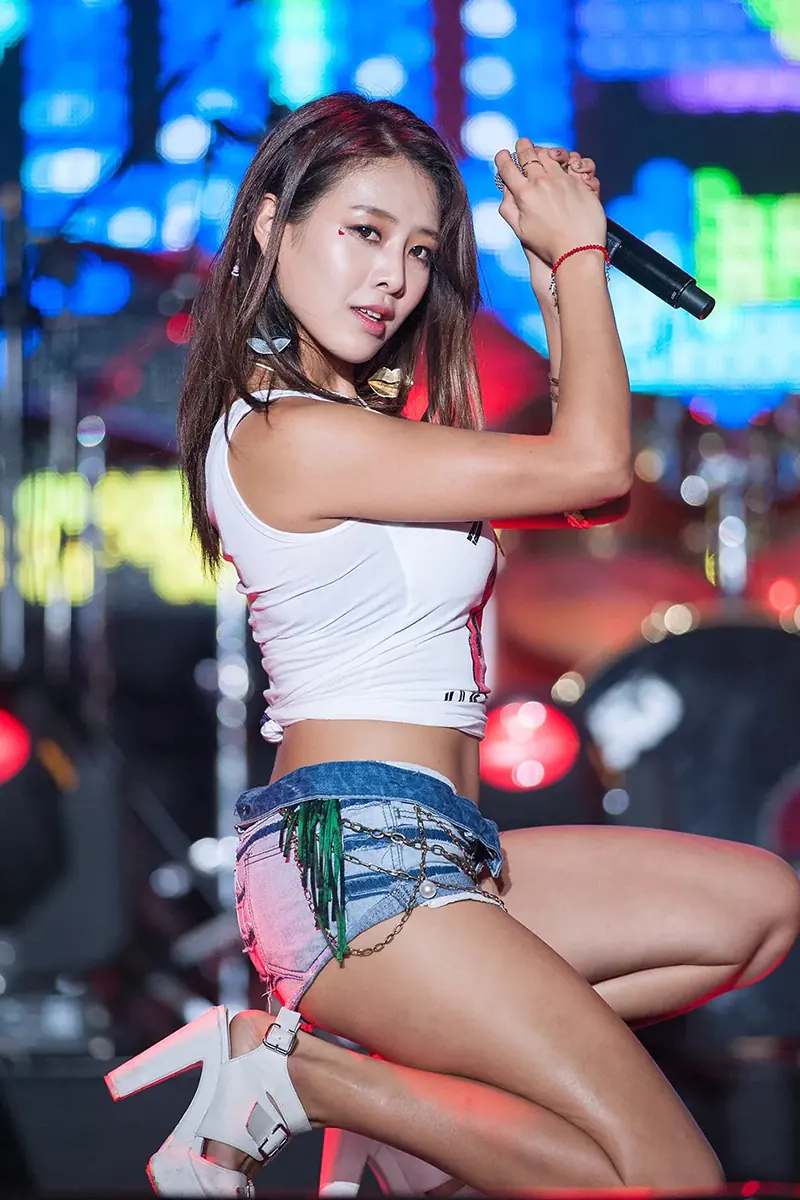
One of the most discussed early examples came in August 2015 when rookie girl group Bambino performed a cover of Redfoo's New Thang at a high school festival. Member Sung Hadam, positioned as the group's main dancer and leader, took the stage in an outfit consisting of incredibly short denim-style shorts that offered minimal coverage.
As the routine progressed into its signature provocative grinding sections, with Hadam facing the audience directly, it became evident that she had opted not to wear any safety pants or undergarments beneath the already revealing shorts.
The 24-year-old idol was going completely commando with nothing underneath, no panties and no safety pants at all.
The result was a full and explicit wardrobe malfunction, where cameras and attentive viewers captured clear exposure of her private area, turning a sensual dance number into an unintended and highly visible reveal that quickly circulated across online platforms and fan communities.

Bambino had built its early reputation long before this incident through a series of bold, sexually charged dance performances at high schools and universities.
Starting out as a dance unit in 2014 before transitioning into a full idol group with their official debut in June 2015 under the single Oppa Oppa, the members frequently delivered covers of tracks like Redfoo's New Thang, EXID's Up & Down, and Bruno Mars collaborations such as Uptown Funk.
These routines emphasized powerful hip movements, floor work, and suggestive expressions, which helped them gain viral attention but also invited ongoing scrutiny.
Hadam in particular had faced repeated criticism in prior shows for similar choices in costuming that prioritized visual allure over practical precautions, with netizens pointing out instances where her outfits left little to the imagination and lacked the protective layer typically expected in such dynamic performances.
Since the New Thang cover was done multiple times during the group's various live performances, fan cams amplified this pattern on a larger scale when the August 2015 malfunction footage spread rapidly, sparking heated discussions in Korean online forums.
Netizens responded with a blend of shock, disapproval, and pointed commentary that extended beyond the exposure itself.
Many expressed discomfort not only at the visible private area but also at what they perceived as overly sensual facial expressions and body language throughout the routine. Comments captured the prevailing sentiment, with one user noting that the horny expressions felt even more disturbing than the lack of undergarments, while another simply stated there exists a clear reason idols are expected to wear proper coverage during intense dances. Others remarked bluntly on the full visibility of everything, highlighting how the combination of tiny shorts and high-impact choreography created an avoidable situation.
These reactions reflected broader concerns within K-pop fandom about professionalism, artist safety, and the fine line between provocative concepts and basic stage preparedness.
The incident resurfaced in articles years later, underscoring its lasting impact on conversations about idol accountability.
Following the heightened attention from this and similar performances, Hadam departed from Bambino around late 2016.
The group underwent several lineup adjustments in the ensuing months, introducing new members amid the changes, but ultimately experienced an initial disbandment in mid-2017.
While Bambino would later reform in subsequent years with a refreshed roster, the early controversies surrounding their bold styling and the associated malfunctions contributed to a challenging trajectory during their formative period.
For Hadam, the episode marked a notable moment in her time with the group, one that exemplified the personal and professional risks that can arise when stage outfits fail to account for the physical demands of the choreography.
Similar issues have appeared across different eras and groups, showing that wardrobe malfunctions remain an occupational hazard even as staging and preparation have advanced.
In 2017, former DIA member Eunjin experienced her bra sliding down inside her top midway through a live performance, though the outer layer fortunately held everything in place and she powered through with impressive composure. Around that same period, soloist HyunA encountered a close call during a 2019 university festival performance of How;s This?, where her neon bikini-style top came loose from her energetic dance moves, nearly exposing her breasts before she quickly caught the fabric and continued while keeping one hand firmly in place.
Years later, K-pop evolved, new generations flourished, but malfunctions persisted in various forms.
Within the wider K-pop industry, safety pants, often referred to as safety shorts or dance briefs, serve as a fundamental protective measure worn beneath skirts, shorts, or form-fitting costumes.
These undergarments are designed specifically to prevent accidental exposures during routines that involve splits, floor slides, aggressive hip thrusts, or rapid directional changes, all of which are staples of modern girl group performances. The practice has become deeply ingrained over time due to numerous documented wardrobe mishaps across various acts, where the absence of such coverage led to viral embarrassment or criticism.
While the Bambino incident with Hadam did not single-handedly establish safety pants as an industry standard, it certainly functioned as one of the most vivid and widely discussed cautionary examples that reinforced their necessity.
Performances had already been growing more physically demanding and visually provocative throughout the 2010s, and repeated cases like this one helped solidify the expectation that agencies and idols prioritize this basic safeguard to protect the artists' dignity and maintain focus on the music and talent rather than unintended revelations.
In the years since the mid-2010s events involving Bambino, the use of safety pants has evolved from a recommended precaution into a near-universal requirement for most female idols engaging in high-movement concepts.
Agencies have increasingly emphasized proper undergarment protocols during rehearsals and fittings, learning from past scandals that skipping this step can damage reputations, invite excessive online backlash, and distract from the group's overall artistic goals.
Idols themselves often express greater comfort knowing they have that extra layer of protection, allowing them to execute complex choreography with confidence rather than constant worry about potential malfunctions.
Although some debates persist around aesthetics, with occasional complaints that safety shorts can appear bulky under certain outfits or limit certain movements, the consensus in the industry remains clear: the benefits far outweigh the drawbacks when it comes to professionalism and artist well-being.
This particular moment in Bambino's history did not invent the concept of safety pants, nor was it the definitive turning point that forced every agency to adopt them overnight. Instead, it added meaningful weight to an ongoing dialogue about balancing sexy, boundary-pushing concepts with practical safety measures.
As K-pop continues to expand globally and stage productions grow ever more elaborate, incidents like Hadam's serve as enduring reminders of the importance of preparation.
They encourage a culture where creativity and sensuality can thrive without compromising the performers’ security or inviting avoidable controversy.
Ultimately, the emphasis on safety pants reflects a maturing industry that values not only the visual spectacle but also the long-term respect and protection of its artists, ensuring that the spotlight remains on their hard-earned skills and performances rather than fleeting wardrobe errors. Each incident, whether minor or severe, has contributed to a safer and more professional environment for the next generation of idols.