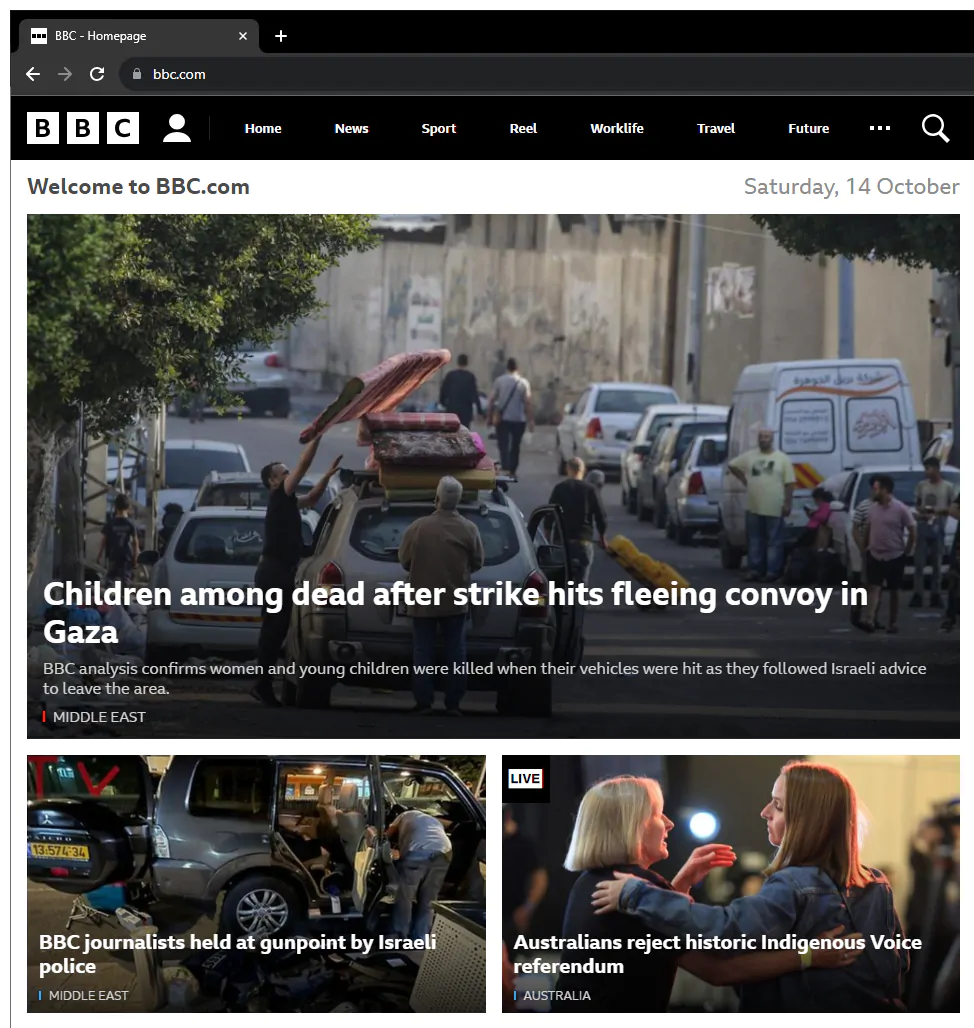
The British Broadcasting Corporation (BBC) is a British public service broadcaster, and that it has been around since 1922.
Fast forward, it was already thriving in the 1960s during the time when color television came to the masses. And later on, when it comes to the web, the BBC has taken its digital steps quite early because its website was launched back in 1997. Since then, it has evolved significantly, becoming a digital powerhouse for news, entertainment, and information across the globe.
For this reason, its website has lots of information, and tons of data that can pretty much summarize the world's news, all in one place.
This makes the BBC's website a gold mine for generative AIs, like OpenAI's ChatGPT.
And this is also the reason why it's blocking ChatGPT's crawlers from ever crawling its website.

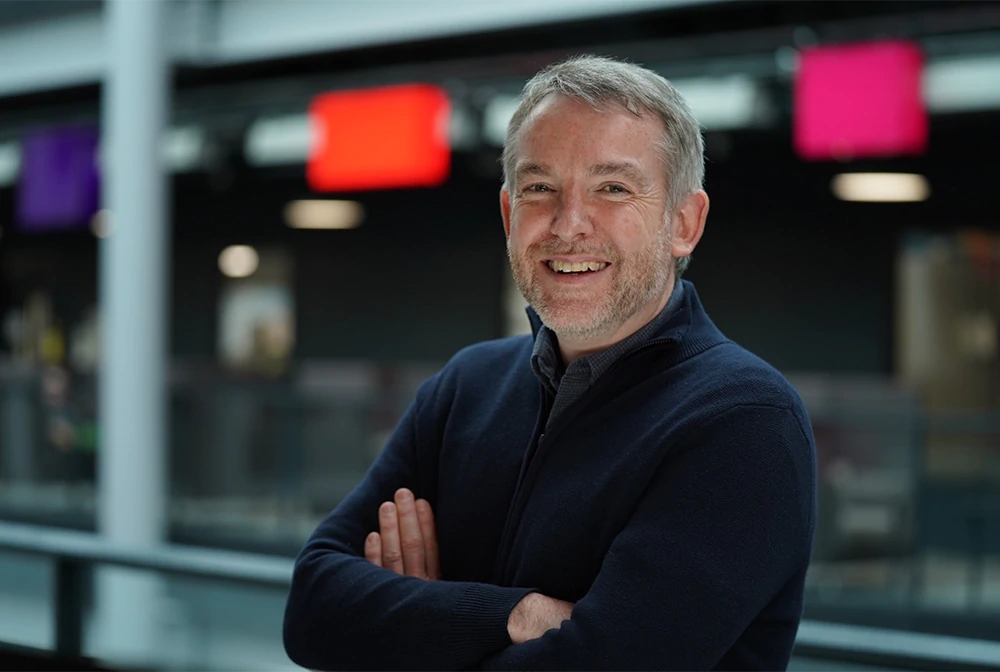
In a blog post, Rhodri Talfan Davies, the BBC’s Director of Nations, said that BBC is “taking steps to safeguard the interests of license fee payers as this new technology evolves."
"For example, we do not believe the current ‘scraping’ of BBC data without our permission in order to train Gen AI models is in the public interest and we want to agree a more structured and sustainable approach with technology companies. That’s why we have taken steps to prevent web crawlers like those from Open AI and Common Crawl from accessing BBC websites."
While the company opposes the idea of having its content scraped by some generative AIs, the BBC said that it's actually exploring the use of generative AI in journalism, and that it has put quite an interest in it.
The BBC believes that generative AI could help both journalists and news readers, and that it has been exploring the technology in areas such as news reporting and production, discovering content, maintaining archives, and creating personalized experiences.
"We believe Gen AI could provide a significant opportunity for the BBC to deepen and amplify our mission, enabling us to deliver more value to our audiences and to society," he added.
"It also has the potential to help our teams to work more effectively and efficiently across a broad range of areas including production workflows and our back-office," the BBC executive noted.
But to do this, the company promised to act in the public interest when adopting AI, and that it wants to ensure that transparency remain intact.
The company also plans to publicly identify AI-powered content whenever it creates them, and use humans to monitor processes involving generative AI.
With that in mind, the BBC added that it would not replace human talents.
"We will always prioritize talent and creativity - No technology can replicate or replace human creativity. We will always prioritize and prize authentic, human storytelling by reporters, writers and broadcasters who are the best in their fields. We will work with them to explore how they could use Generative AI to help them push new boundaries," said the BBC.
The three guiding principles the BBC wishes to hold, is to act in the public’s best interests, prioritize talent and creativity by respecting the rights of artists, and be open and transparent about AI-made output.
Rhodri Talfan Davies said the company believes the technology provides opportunities to deliver "more value to our audiences and society."
The BBC here is playing it safe.
While it certainly knows that by allowing generative AIs to browser its website means that it can receive more visitors and more exposure, the company doesn't want to risk having its trove of data being part of something that is almost impossible limit.
Davies said that generative AI is likely to introduce new and significant risks if not harnessed properly.
"These include ethical issues, legal and copyright challenges, and significant risks around misinformation and bias. These risks are real and cannot be underestimated," Davis emphasized.
And because of this, the BBC doesn't want to be part of it.
"These risks are real and cannot be underestimated. This wave of innovation will demand vision and vigilance in equal measure."
At this time, generative AI is still at its early stages, and that the world is still grasping this technology to see how it should fit in the society, without creating too much issues.
At this time, the BBC is the UK’s largest news organization, and because of that, it wants to use its influencer to work with tech companies, other media organizations and regulators to safely develop generative AI and focus on maintaining trust in the news industry.
"We believe a responsible approach to using this technology can help mitigate some of these risks and enable experimentation." Davies said.






















































































































































































































































































