Once every year, Apple introduces new iPhones to the market.
In each new version of the iOS-powered smartphone, Apple increases the phones' capabilities, pushing the hardware to new boundaries that sometimes set the benchmark for others in the competition to follow.
In 2020, Apple introduced the iPhone 12 series, which again disrupt the competition of the high-end smartphone market.
Even Huawei founder and CEO Ren Zhengfei once praised Apple, saying that iPhone 12 is “the world’s best smartphone”.
Apple is that influential.
Among the things that Apple introduced in the iPhone 12 series, is the lack of chargers.
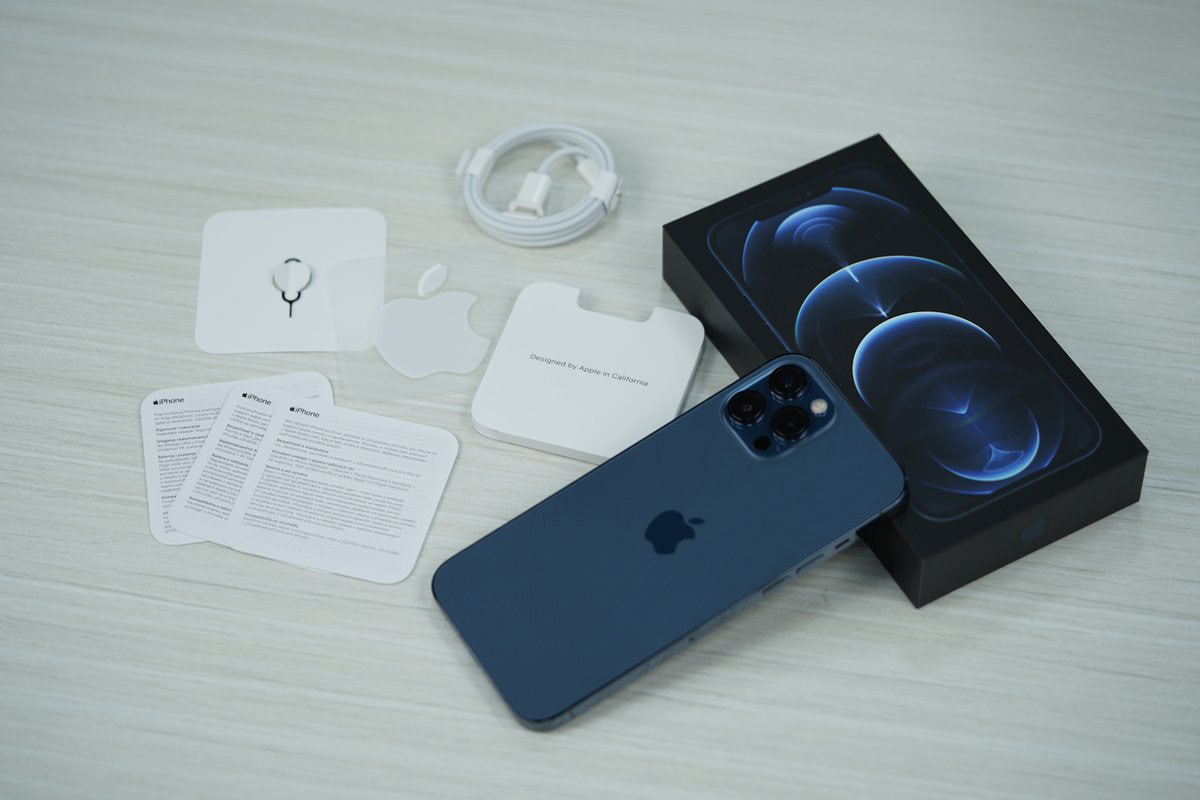
According to Apple, the company isn't including wall chargers and earbuds typically bundled with previous iPhones in order to cut down on electronic waste, citing environmental concerns because without chargers and earbuds, Apple can reduce carbon emissions and the mining of rare-earth metals.
While the reviews for the phones are mostly positive, with many saying that the iPhone 12 series are the best phones they have ever tested, critics argued Apple’s decision had more to do with cutting down shipping costs than saving the planet.
Competitor have even trolled Apple because of this.
And this time, it's Brazil's turn.
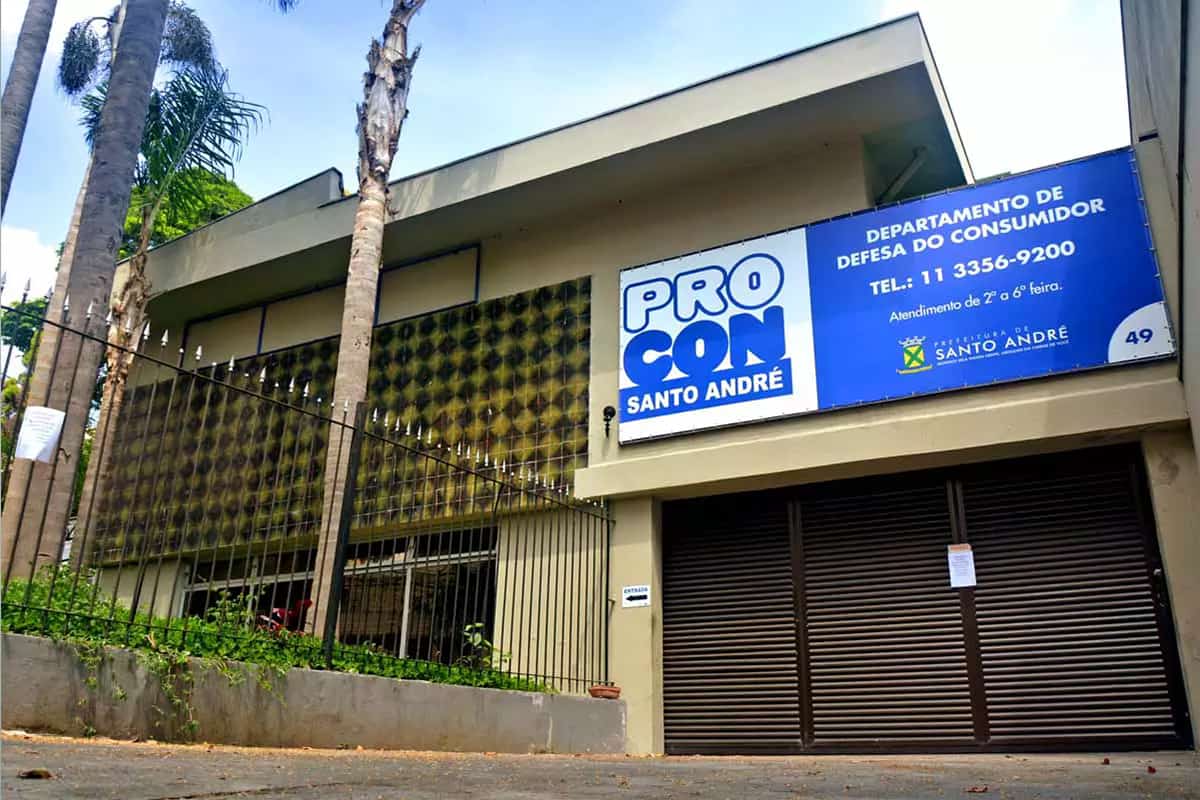
Regulator in the Brazilian state of São Paulo, have slapped Apple with R$10.55 million fine (about $1.92 million) for failing to include chargers within its iPhone 12 boxes.
According to a post on its website, the regulator fined Apple for violating the Consumer Protection Code.
Procon-SP, which is São Paulo's consumer protection agency, decided to fine Apple after conducting intense scrutiny over Apple's decision to remove the power adapter from the boxes of iPhones. Procon-SP also fined Apple because the agency never received a response when it asked Apple if the iPhone 12's price would be reduced since it wasn’t coming with a charger.
Procon-SP told Apple about to the alleged violation back in December 2020,. And when Apple responded to this inquiry, the agency said that Apple "never offered a convincing explanation."
Things didn't stop there.
Fernando Capez, Procon-SP's executive director, also warned Apple following he fine, saying that the tech company needs to respect and understand Brazilian consumer law and institutions. Alongside the lack of a charger, Apple is also being fined for misleading customers about the water resistance in iPhones.
Since the iPhone 7, Apple has marketed the phones as water-resistant to different specifications. The more recent iPhone 12 series phones, for example, are certified for water submersion of up to 6 meters for as long as 30 minutes.
And this is where the consumer protection agency Procon-SP, is also accusing Apple for engaging in misleading advertising, and among others, also refusing to repair defective devices, and maintaining unfair contract terms with consumers after failing to help customers who experienced “problems with some functions” on their iPhones following iOS updates.
Procon-SP claims that Apple refused to repair devices for customers who had suffered water damage with their "water-resistant" iPhones, even though the devices were still under warranty.
Procon-SP also claims that Apple’s contract terms are overly broad, and that they are shielding Apple from responsibility, even when devices it sold were then found to have hidden defects.
Other charges that have been brought forward to Apple, also include claims that the Cupertino-based company was deliberately slowing down older phones with iOS updates to encourage the owners to purchase newer models.
“Apple needs to understand that in Brazil there are solid consumer protection laws and institutions. It needs to respect these laws and these institutions,” said the agency’s executive director, Fernando Capez.
Apple responded to the agency's concerns by saying that most customers should already have spare adapters, and that providing another one in the box is unneeded.
As for the rest of the accusations, Apple didn't immediately respond to the media's requests.
If Apple has to pay, or is willing tp spend $2 million for the fine, that amount is pocket change for Apple. According to reports, Apple's annual revenue in 2020 was $274.5 billion.
But if Apple is not willing to pay, the company has the option to appeal the regulator's decision through Brazil's court system.
It should be noted that Apple isn't the first to have faced the regulator's wrath. Previously, Samsung was also in Procon-SP's crosshair.
Brazil is one of the world's larger phone markets, and companies that don't follow the country's rules can risk losing out on many sales if they're not careful.
At this time, what matters more for Apple isn't the price it needs to pay, but how it can accommodate Brazil’s demands to ensure that it can keep selling iPhones there.
In one example of this, was when Apple experienced some troubles when it started selling its iPhone 12 series in France. Regulator in the country insisted that every mobile phone include some form of hands-free kit or headset in a bid to protect children under the age of 14 from exposure to electromagnetic waves.
Apple was fined €75,000 ($89,000), and that miniscule amount was enough to convince Apple to ship its iPhone 12 series with EarPods and a Lightning-to-USB-C cable.






















































































































































































































































































