OnlyFans, the platform best known for monetizing adult content, allows creators to share exclusive material with paying subscribers.
Originally intended as a space for all types of creators—fitness coaches, chefs, musicians, and more—the platform gives users full control over their content and earnings. But the moment it allowed adult content, the platform’s trajectory changed dramatically.
It didn’t take long before OnlyFans became synonymous with NSFW content. The privacy of its subscription model, paired with its lenient content policy, attracted a flood of adult creators. As a result, the platform earned both a massive following and increasing scrutiny.
And in China, that scrutiny has turned into outright rejection.
According to reports, China has officially blocked OnlyFans, branding it a product of "Western moral decay," and labeling it a "corrupt Western swamp,” and a "corrupt Western disease."

While no formal announcements have been made through state-run media, multiple sources—including social media posts and secondary accounts on Reddit and Instagram—suggest the decision aligns with the country’s longstanding censorship policies.
China already bans all pornographic content, so excluding OnlyFans fits into broader efforts to tighten control over what’s deemed immoral or incompatible with “core socialist values.”
As one user put it: “Porn is already illegal in China, so this isn’t surprising.”
The country’s censorship model, known as the Great Firewall, uses DNS spoofing, packet inspection, and IP blocking to restrict access to content that includes pornography, politically sensitive speech, and anything that undermines social harmony.
OnlyFans, with its association with adult material, falls squarely into this prohibited category.
The decision to block it, while unsurprising, still highlights the tension between global digital platforms and China’s highly curated online ecosystem.
Interestingly, OnlyFans did become briefly accessible in China around late 2024—before the previous blocks were reinstated. It was a short-lived moment, but one that revealed inconsistency in enforcement.
In reality, OnlyFans has never been formally available in the country. Chinese users and creators have long relied on VPNs to bypass the Great Firewall, while navigating payment hurdles through third-party financial services. These workarounds have allowed a quiet but persistent community to operate beneath the surface.
This kind of backdoor access isn’t unique to OnlyFans. It reflects a broader pattern of digital behavior in China, where tech-savvy users regularly circumvent state-imposed limitations to access global platforms like Instagram, Reddit, and X (formerly Twitter).
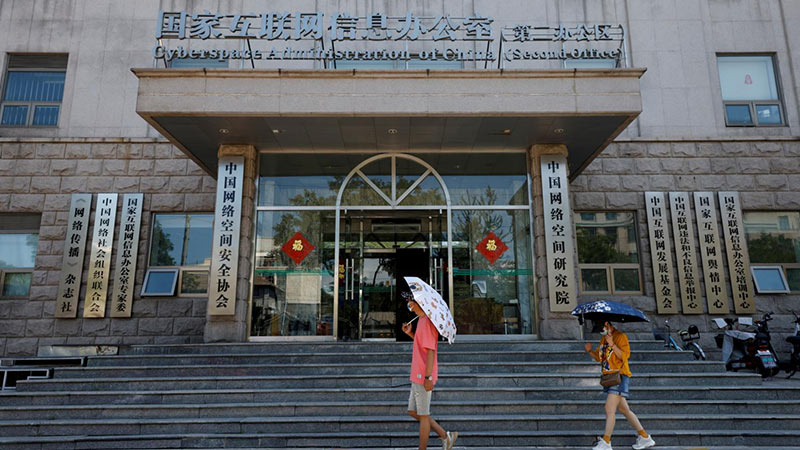
China’s crackdown on OnlyFans is more than a one-off censorship move—it’s a calculated reinforcement of ideological boundaries in the digital age.
It fits into a wider crackdown that includes tighter controls on gaming, film imports, and foreign apps that don’t conform to local standards. The underlying message is clear: if your content doesn’t align with Chinese values, you’re not welcome.
Yet even as the state doubles down on control, the global creator economy keeps pushing forward. China may be building sanitized, homegrown alternatives, but its youth—armed with VPNs and digital know-how—continue to explore beyond the walled garden.
While official confirmation from Beijing may still be pending, the ban on OnlyFans reflects the country’s well-established internet governance model.
IIt’s another reminder of how cultural, ideological, and geopolitical priorities increasingly shape the internet’s borders—platform by platform, policy by policy.
The influence of OnlyFans is nothing less than profound.
By giving creators the ability to upload content and set their own subscription prices, the platform has revolutionized how individuals monetize their work and connect directly with their audiences. This model bypasses traditional gatekeepers, empowering creators to control both their content and income streams.
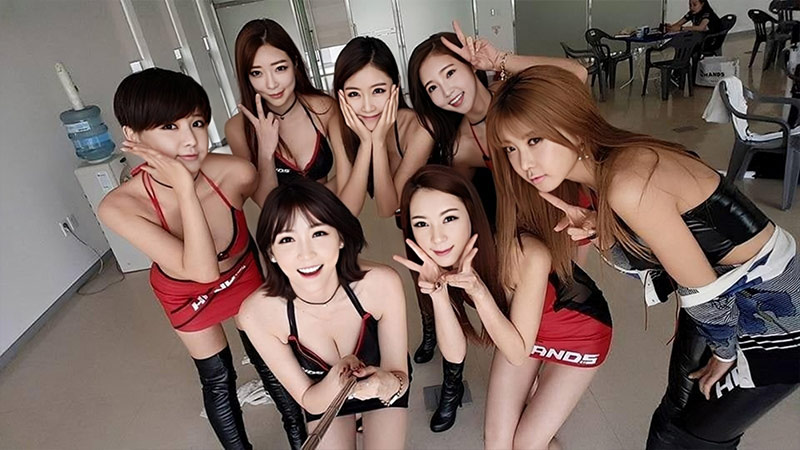
Within the sprawling and diverse world of OnlyFans, many young creators are stepping into the spotlight, rewriting the script one post at a time. Among them, Asian creators—long overlooked or stereotyped in the adult and creator economies—are working to redefine how Asian identity is represented, monetized, and respected online.
In much of the open internet, dominated by Western audiences, Asian bodies—and particularly Asian women—have historically been fetishized, hypersexualized, or simply ignored. These biases have permeated mainstream media and online platforms alike.
OnlyFans, however, offers Asian creators a chance to take back control. From China to Japan, Korea to Southeast Asia and South Asia, these creators are proving that their value extends beyond appearance—they are asserting agency over their own narratives and careers.
They refuse to buy into tired tropes. Instead, by setting their own boundaries, curating their content, and personally engaging with their audiences, they are subverting a system that once profited from their objectification.
On platforms like OnlyFans, no one can demand they be “more exotic” or “less Asian.”
Thanks to the platform’s global reach, even a small creator in Vietnam might find her largest audience in Los Angeles.
And it’s not just women. Male and nonbinary creators are also gaining visibility and reshaping the landscape in important ways.
OnlyFans has become a powerful stage where diverse Asian creators can claim space, rewrite narratives, and connect with audiences on their own terms.
And this is precisely what China’s government disapproves of.