China has taken a notable step forward in regulating its vast online content ecosystem by requiring influencers and digital creators to hold proper professional qualifications when discussing specialized subjects.
Reports indicate that the Cyberspace Administration of China has directed platforms to enforce these standards more strictly. The goal is to ensure that advice on critical topics reaches the public only from individuals who can demonstrate genuine expertise rather than relying solely on popularity or follower counts.
Under the measures creators who wish to cover areas such as medicine health finance law or education must now provide verifiable proof of relevant qualifications before posting or livestreaming such content.
This typically includes a university degree in the field a professional license or recognized certification.
The rules apply across leading platforms including Douyin Weibo and Bilibili where millions of users turn daily for information and guidance on personal and financial matters.
Platforms bear direct responsibility for implementing the changes.
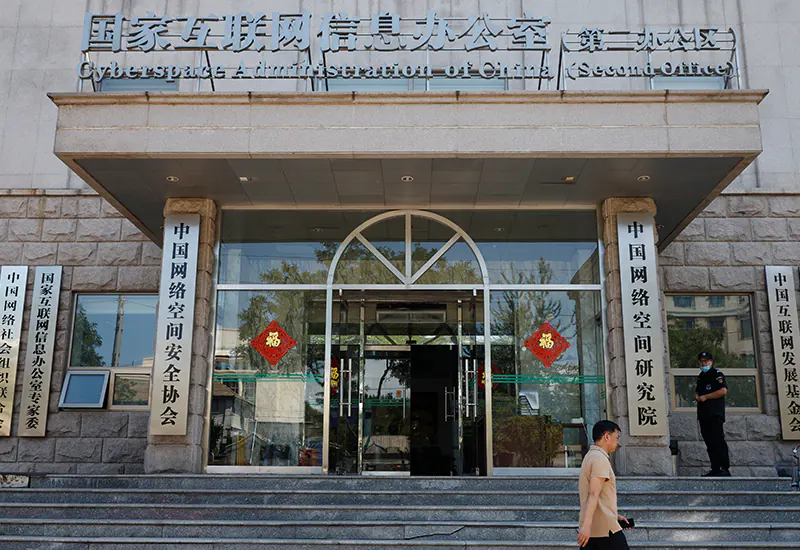
What this means, Chinese platforms are expected to review submissions from creators to verify the authenticity of their credentials and take down material that fails to meet the new criteria.
In addition some reports suggest that platforms may need to add clear labels or disclaimers on content that draws from studies or uses artificial intelligence tools.
This layer of oversight aims to give audiences greater confidence in the material they consume online.
Penalties for noncompliance have been outlined in connection with these efforts.
Individuals or accounts that continue to offer unqualified advice in the restricted areas face fines that can reach 100,000 yuan along with temporary or permanent restrictions on their ability to post or livestream. These consequences are intended to deter the spread of potentially harmful misinformation that has occasionally led to real consequences for viewers who followed unverified recommendations on health treatments or investment strategies.
The recent enforcement builds upon foundational guidelines that were already in place.
In 2022 the National Radio and Television Administration together with the Ministry of Culture and Tourism issued the Code of Conduct for Online Presenters (网络主播行为规范).
Under Article 13 of the code within the full official notice, with an English version specifically called for qualification proof when individuals produce content requiring higher professional standards in fields like healthcare finance law and education.
What this means, it specifically, and primarily targets "online presenters" who livestreams professional/expert-style content. Not every influencer or casual post on all platforms.
The requirements are made based on China's expansive influencer economy that has grown rapidly in recent years.
Quickly catching up tot the U.S., the internet is creating both opportunities and challenges for information quality. And with billions of users engaging on short video and livestream platforms, the potential reach of any single creator can be enormous.
Past incidents involving questionable health remedies questionable financial tips or misleading educational claims highlighted the risks of allowing anyone to position themselves as an expert without oversight.
The current push seeks to address those gaps while maintaining the vibrancy of the creator space.
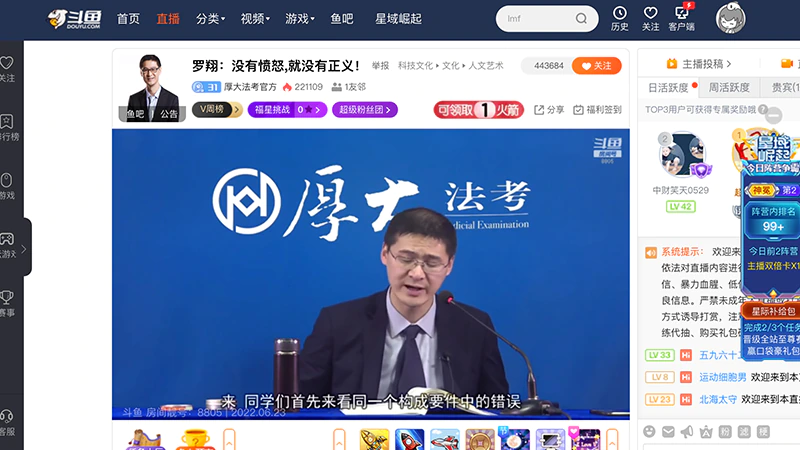
Many observers have welcomed the focus on accountability noting that it could reduce the circulation of dangerous or fraudulent advice especially among younger audiences or those in rural areas who rely heavily on online sources.
At the same time some commentators have expressed concern that overly rigid credential requirements might discourage diverse perspectives or make it harder for emerging voices to contribute to public conversations on important issues.
The balance between protection and open discourse remains a topic of active discussion.
Implementation appears to involve a transition period during which creators are given time to submit their documentation and platforms refine their verification systems. Reports suggest that thousands of accounts have already been affected through content removals or warnings as the rules take hold. This process reflects a broader pattern in China of gradually tightening standards across the digital landscape to promote what authorities describe as a healthier information environment.
The influencer sector itself has begun adapting with many established creators highlighting their academic or professional backgrounds in their profiles or content introductions.
Overall these developments form part of ongoing efforts to bring greater structure and responsibility to online content creation in one of the worlds largest digital markets.






















































































































































































































































































