In 2007, the internet was still finding its voice as a force for collective outrage and mourning. Yet the brutal murder of 20-year-old Sophie Lancaster spread across borders and subcultures with a speed that now feels strikingly modern.
Long before algorithmic feeds, instant shares, or viral trends, the story of a young woman attacked simply for the way she dressed moved from local news bulletins into global online conversations through early social platforms, message boards, blogs, and grassroots digital communities. What happened that night in a quiet Lancashire park revealed not only the ugliness of prejudice, but also the growing power of connected networks to transform personal tragedy into public pressure.
Looking back, the internet's role in the aftermath feels like an early blueprint for modern digital activism.
There were no trending hashtags, coordinated campaigns, or algorithm-driven outrage cycles.
Instead, the story spread organically through decentralized communities linked by forums, music fandoms, blogs, and word-of-mouth sharing. The emotional force came from ordinary users acting collectively rather than from platforms designed to maximize engagement.
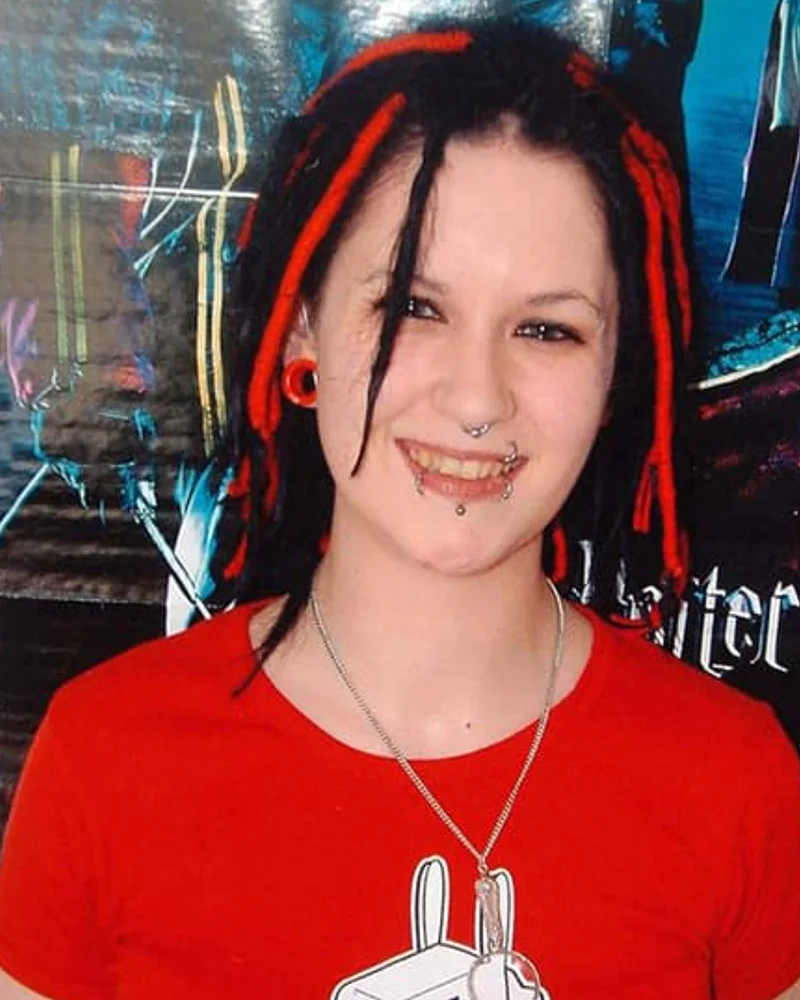
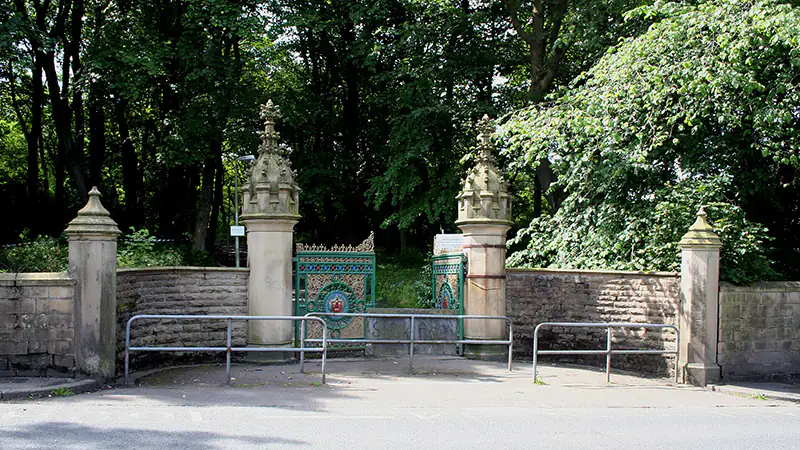
Sophie Lancaster and her boyfriend Robert Maltby, both deeply immersed in the goth scene, were walking through Stubbylee Park in Bacup in the early hours of 11 August 2007 after spending the evening with friends.
They encountered a group of local teenagers, some as young as fifteen, who targeted them almost immediately because of their appearance.
Their dark clothing, heavy makeup, and alternative style marked them as outsiders in the eyes of the attackers.
The assault quickly escalated into shocking brutality.
Robert was beaten unconscious first. Sophie stayed beside him and tried desperately to shield him as the gang kicked and stamped on both victims while they lay helpless on the ground. Witnesses later recalled insults like "moshers" and "freaks" being shouted during the attack. The violence was so severe that police compared the injuries to those seen in serious traffic collisions.
Sophie suffered catastrophic head injuries and remained in a coma for 13 days before her family made the heartbreaking decision to switch off life support on 24 August.
Robert survived with severe injuries and no memory of the attack itself.
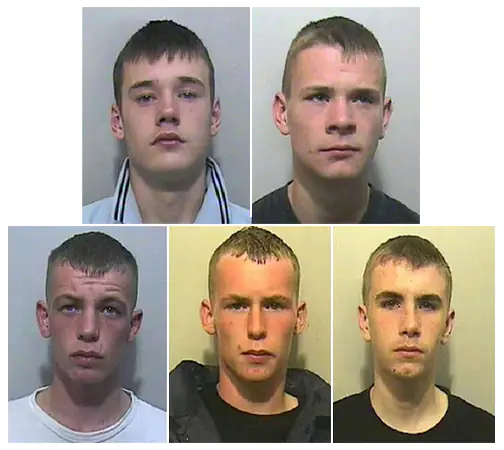
Harris, who was found guilty of murder, was jailed for life and ordered to serve a minimum of 18 years before becoming eligible for parole. Herbert, who was 16 at the time and admitted to murder, received a life sentence with a minimum term of 16 years and three months. Reports from the courtroom noted that neither showed any visible emotion as they were led away following sentencing.
Three other teenagers involved in the attack on Robert Maltby also received substantial sentences.
Joseph Hulme, 17, his brother Danny Hulme, 16, and Daniel Mallet, 17, were each given indeterminate sentences after admitting causing grievous bodily harm with intent.
Joseph and Danny Hulme were ordered to serve minimum terms of five years and ten months, while Mallet was told he must serve at least four years and four months before being considered for release.
At first the case was treated by much of the British media as another horrifying example of youth violence during a period when the country was already consumed with debates about antisocial behaviour, broken communities, and so called feral teenagers.
Yet something different happened in the aftermath.
The story escaped the boundaries of regional crime reporting and spread rapidly online in a way that felt unusual for the time.
Facebook, which had only recently opened itself to the general public, quickly filled with tribute groups dedicated to Sophie. Bebo, still enormously popular among British teenagers in 2007, hosted memorial pages and discussion threads where users from goth, punk, metal, and alternative communities shared their grief, anger, and personal stories of harassment. MySpace profiles changed overnight as users posted black ribbons, memorial graphics, and messages demanding justice.
Message boards and niche forums across Europe and North America lit up with discussions about the murder.
People who had never heard of Bacup before suddenly found themselves reading eyewitness accounts, following court proceedings, and debating prejudice against alternative subcultures.
The goth community in particular rallied with a speed and coordination that surprised many outside observers. Bands musicians and festival organizers began speaking out. Memorial events were planned and the internet became the central nervous system connecting scattered supporters who might never have found each other otherwise.
For context this was years before change.org made mass digital petitions routine.
In other words, while floral tributes piled up physically in Stubbylee Park, digital tributes were spreading far wider and far faster.
Bands, musicians, and festival organisers amplified the story online, helping it move beyond Britain into international conversations.
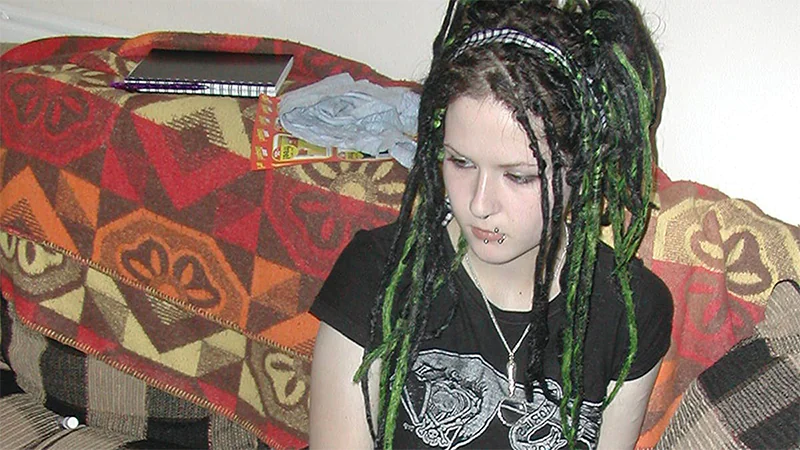
For many people within alternative scenes the case felt terrifyingly personal. Sophie was not attacked because of random circumstance but because she visibly represented a culture that many outsiders mocked or feared.
This was virality before the word became part of everyday language.
There were no trending hashtags, no retweet counts, and no recommendation algorithms designed to maximise outrage. The story spread instead through email chains, forum signatures, profile posts, blog entries, and users actively sharing information with one another. The momentum came from genuine emotional connection rather than automated amplification.
Online communities functioned almost like an early decentralized news network, carrying updates and calls for justice through thousands of individual users rather than through a single platform.
Campaigners argued that Sophie’s murder should be recognised not simply as random violence but as a hate crime motivated by prejudice against appearance and identity. At the time British hate crime laws focused mainly on race, religion, sexuality, and disability.
The case forced a broader public conversation about whether subcultures could also become targets of organized hatred and violence.
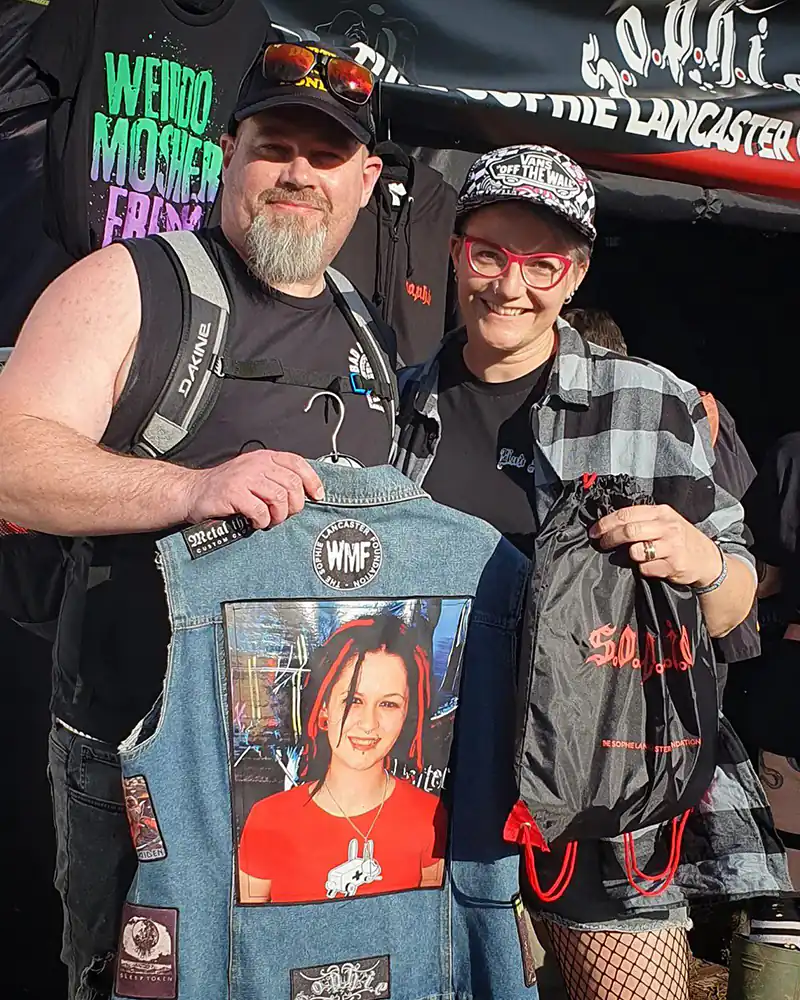
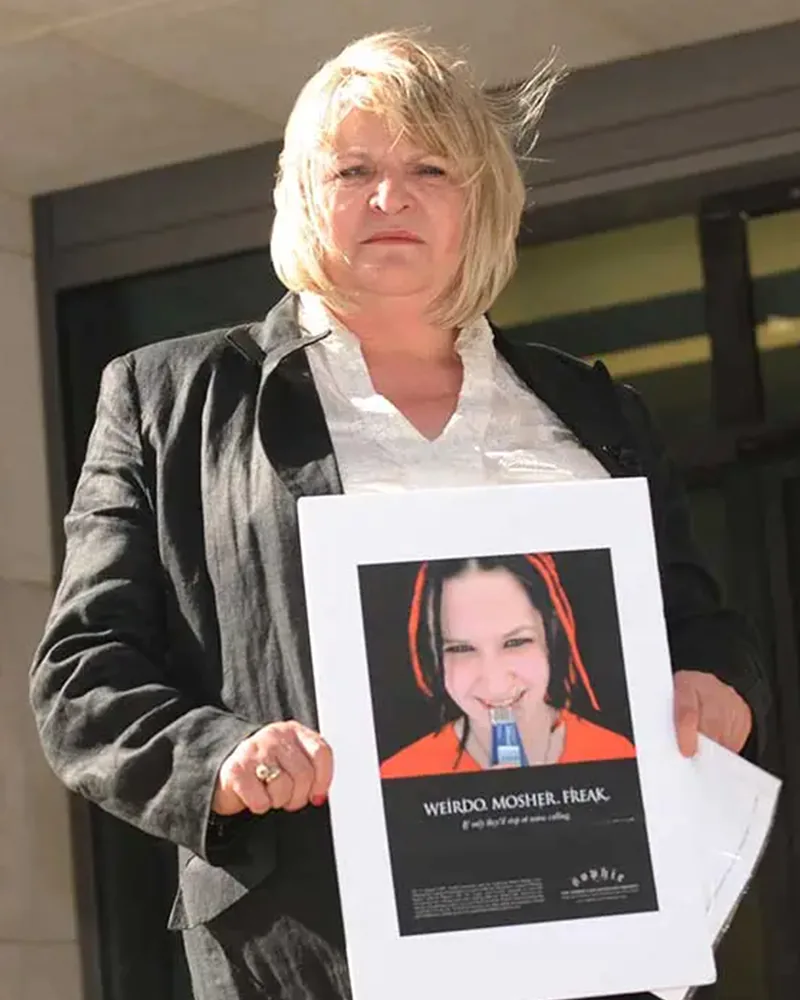
Sophie's mother Sylvia Lancaster watched this enormous wave of online grief and outrage and decided to turn it into something lasting.
In 2009 she founded the Sophie Lancaster Foundation with the goal of challenging prejudice, intolerance, and hatred in all forms. The organisation embraced the same digital tools that had helped spread awareness of Sophie's story. Through websites, online campaigns, educational materials, and social media outreach, the foundation kept public attention focused on the issues raised by the murder long after headlines faded. Sylvia herself became a tireless campaigner, appearing in interviews, documentaries, and online discussions to ensure that Sophie’s death continued to spark conversations about tolerance and individuality.
The impact eventually reached institutions as well as online communities.
In 2013 Greater Manchester Police became the first force in the UK to officially recognise crimes against goths, punks, emos, and other alternative subcultures as hate crimes.
Several other police forces later adopted similar policies. While alternative identity has still not been fully recognised nationally as a protected category under British hate crime law, the case fundamentally changed how many authorities approached attacks motivated by appearance based prejudice.
The online world of 2007 was fragmented, slower, and far less centralized, yet it proved remarkably effective at sustaining public attention.
Users sought out updates themselves rather than having them pushed into feeds by algorithms. Tribute videos appeared on YouTube. Memorial graphics circulated across forums and profile pages. Communities that once existed only in scattered local scenes suddenly discovered their collective strength online.
The case also foreshadowed the complicated relationship modern internet culture would develop with tragedy. Most online reactions were compassionate and supportive, but some corners of the web turned the murder into spectacle, argument, or sensational content.
Even then the internet showed its ability to blur the line between empathy and exploitation.
In many ways the response to Sophie's death anticipated the patterns that would later define digital outrage culture, where mourning, activism, media attention, and public performance often overlap in the same spaces.
Sophie Lancaster's murder inspired numerous songs, poems, and artistic tributes, especially within goth, metal, punk, and alternative scenes, focusing on tolerance, difference, prejudice, and remembrance.
Key music tributes include Delain's We Are the Others in 2012, written directly about Sophie with lyrics like "I'm walking with Sophie tonight," which became an anthem for the Sophie Lancaster Foundation and was performed at the Bloodstock Festival's Sophie Lancaster Stage. Beholder's Never Take Us Down was released as a charity single and used by Sylvia Lancaster in presentations. VNV Nation’s Ronan Harris dedicated Illusion to Sophie days after her death. Lamb of God dedicated Redneck to Sophie and Sylvia at Bloodstock in 2022. Other tracks include Andy T's Sophie Lancaster, Bad Pollyanna's Invincible Girl, and charity compilations such as S.O.P.H.I.E. featuring Cradle of Filth and others, plus the earlier HOPE album.
In literature, Simon Armitage's Black Roses is the most notable work. A 2011 BBC Radio 4 play (later a TV tribute) built around poems telling Sophie's story alongside her mother's recollections.
Though none became mainstream hits, these heartfelt creative responses from the very subcultures Sophie belonged to have kept her memory alive and strengthened the Foundation's message against hate and intolerance.