Loch Ness, the enigmatic body of water in Scotland, certainly holds its fair share of mysteries
The 'loch' as what local people calls it, is a large lake in the Scottish Highlands that extends for approximately 37 kilometers southwest of Inverness. With a maximum depth of around 250 meters, the freshwater loch is UK’s largest lake by volume.
While the view is already breathtaking, the area is best known for being the only place where 'Nessie' was found.
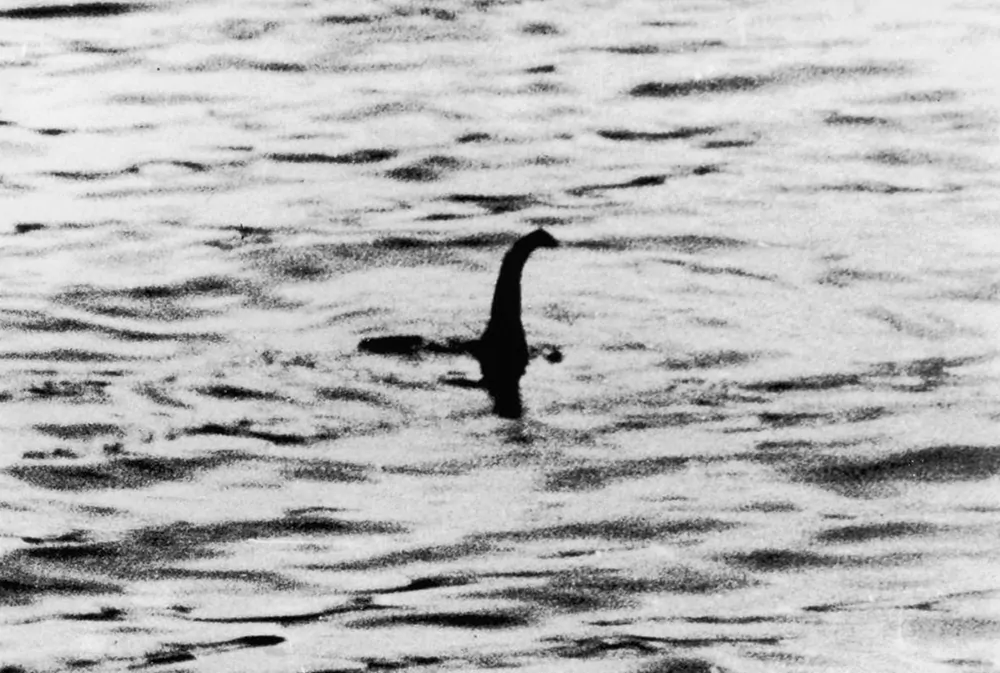
The Loch Ness Monster is a beast in Scottish folklore that is said to inhabit Loch Ness. Based on a photo taken way back in 1934, the water monster is described as a large, long-necked creature that is able to protrude its head above the water.
While the scientific community has explained that the alleged sightings of Loch Ness Monster as hoaxes, and that there is no proof of its existence whatsoever, fans still think otherwise.

50 years after the largest search was made in 1972, in one weekend in August 2023, people start gathering at the loch to hunt the beast again.
But this time, enthusiasts had more in their arsenals than what they had half a century ago.
Hundreds of hopeful volunteers have joined a two-day hunt for Scotland's fabled monster on Saturday and Sunday, in what organizers described as the biggest search for the elusive "Nessie" in more than 50 years.
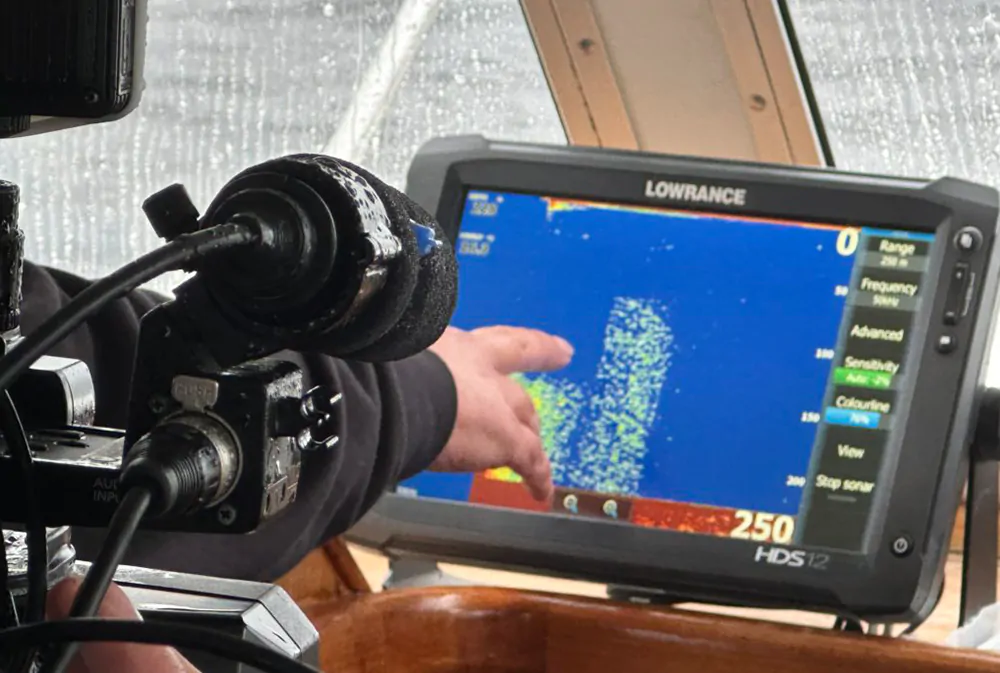
The Loch Ness Centre, which partnered with voluntary research team Loch Ness Exploration to organize "The Quest", said that they would be using surveying equipment that had not previously been tried at the loch, including thermal drones.
The searchers also believe the thermal scanners could prove crucial in identifying any strange anomalies in the murky depths.
Due to how legendary this "monster" is, the social media has helped gather many more volunteers from around the world to gather in different locations around the lake, in order to monitor any signs of Nessie.
Others took the boats, which are equipped with sonars to detect underwater objects, infrared sensors to help navigations and detecting heat signatures, as well as hydrophones to detect acoustic signals under the water.
"We did hear something. We heard four distinctive 'gloops'," said search leader Alan McKenna. "We all got a bit excited, ran to go make sure the recorder was on and it wasn’t plugged in."
Throughout their journey, the many Nessie enthusiasts were indeed enthusiastic.
And those who were unable to make the trip were invited to take part by watching live streams from the team's web cameras for any mysterious sightings across the waters.
"There’s not a corner of the globe you can go to where people haven’t heard of Nessie, but it is still one of our biggest questions — what is the Loch Ness Monster," said Paul Nixon, general manager of the Loch Ness Centre.

The first written record of a monster in the water can be traced back to an Irish monk St. Columba, who is said to have banished a "water beast" to the depths of the River Ness in the 6th century.
Then, in the late 19th century, someone reportedly saw something like a log or an upturned boat "wriggling and churning up the water," moving slowly at first before disappearing at a faster speed. About a decade later, someone reported seeing "a large stubby-legged animal" surfacing from the loch and propelling itself of the shore.
But what made the monster a story worth telling for generation, happened in 1933, when a news article described a large "beast" or "whale-like fish" in the area.
Since then, public interest skyrocketed, as countless letters were sent to detail different sightings. Witnesses claimed to see a "monster fish," "sea serpent," or "dragon," with the final name ultimately settling on "Loch Ness monster."
But what really sparked interest, was when a photo taken in 1934 depicted something emerging from the surface of the water.
The black-and-white photo showed a seemingly long neck of a water creature.
The beast has been affectionately called Nessie since 1940.
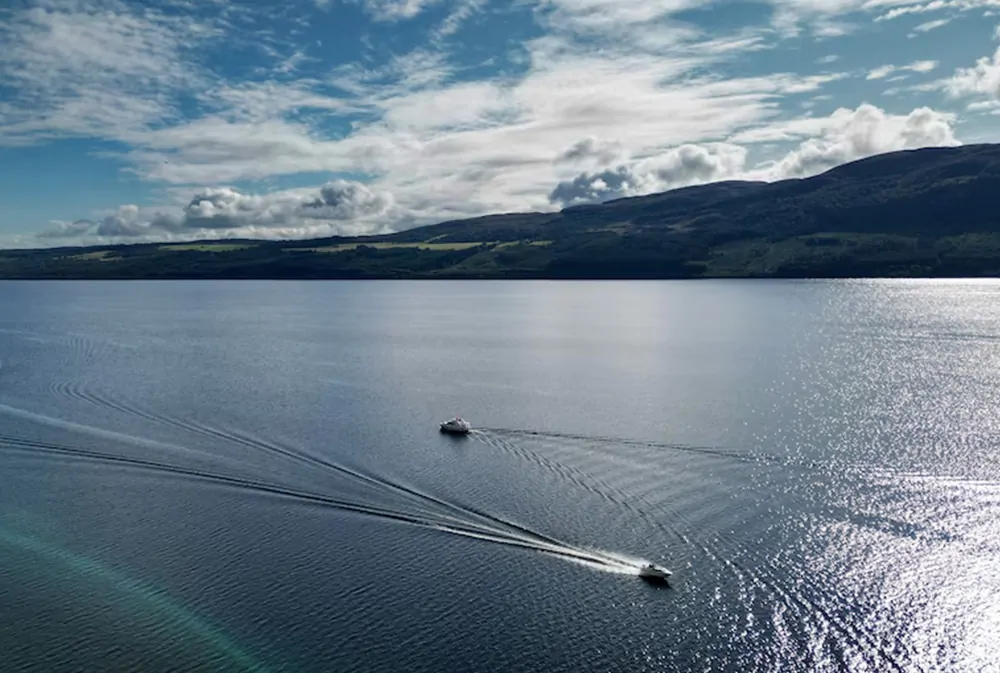
In 1987, Operation Deepscan deployed sonar equipment across the width of the loch and claimed to have found an “unidentified object of unusual size and strength.”
Over the years, scientists and amateur enthusiasts have tried to find evidence of anything large or out of the ordinary, including a large fish such as a sturgeon living in the depths of the loch.
Some have suggested the monster could be a prehistoric marine reptile like a plesiosaur.
In all, there are more than one thousand officially recorded Nessie sightings, according to The Loch Ness Centre.
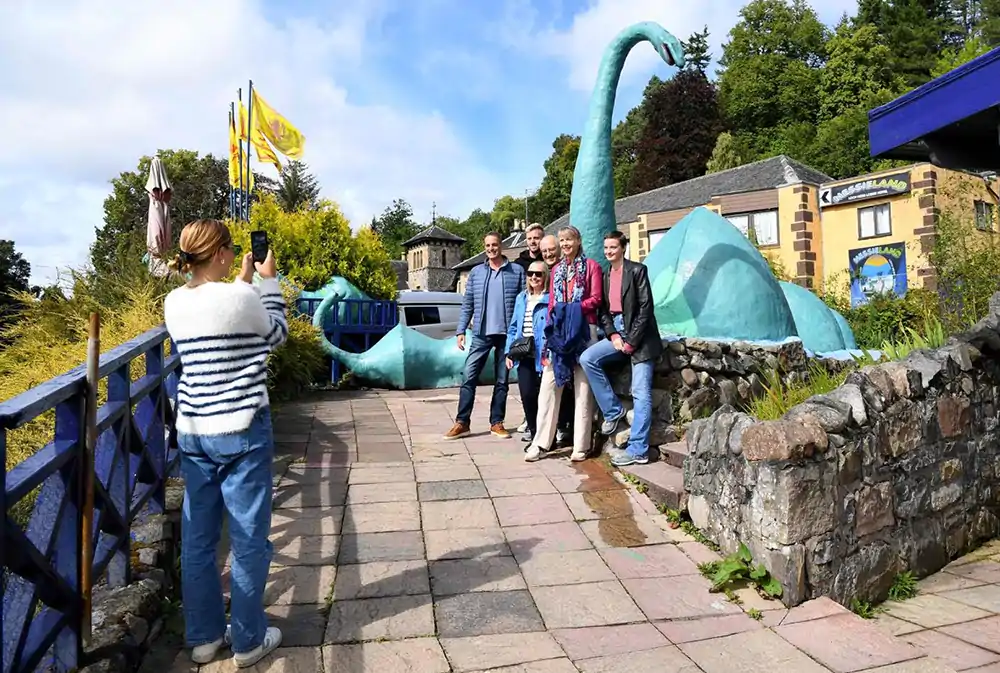
After the search ended and that the volunteers and fans return empty handed, there is no doubt that the legend of the Loch Ness Monster will continue bringing tourism revenue to Scotland.
In the past, the loch has brought millions of dollars to improve the economy of the region.
Debunked as a hoax, the legend has set itself apart, and has since inspired numerous books, TV shows and films.
And this will likely remain unchanged for many years to come.
The myth will lives on.




















































































































































































































































































