Adult entertainment, long a driver of innovation in media and technology, continues to evolve rapidly in the digital age.
From VHS to streaming, the industry has consistently adapted to new platforms and consumer behaviors. While it remains a controversial subject, often at the center of ethical, legal, and societal debates, adult entertainment plays a significant role in shaping internet infrastructure, payment systems, privacy concerns, and content moderation policies.
As technology advances, so too does the complexity of the conversations surrounding it, balancing freedom of expression, user protection, and responsible innovation.
And MissAV, is one of the bigger player in the industry, which provides one of the largest database of Japanese adult videos (JAV), but by challenging the legality of providing them as pirated content.
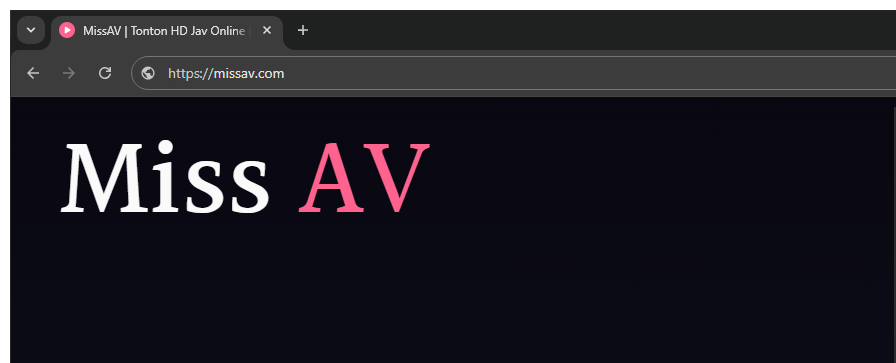
MissAV first appeared online in August 2018, quietly launched by what appears to be a single anonymous developer, emerging from underground coding communities rather than a traditional tech startup model.
With an unbranded, minimalist user interface, minimal advertising, consistent update compared to other pirated platforms, and no registration required, the site went viral through word-of-mouth and niche forums, especially Reddit and Telegram.
It didn't take long until MissAV becomes one of the most trafficked platforms for uncensored JAV on the web, reportedly serving over more than a billion visits per month, and ranking among the top 15 sites in Japan and within the global top 60.
Despite its popularity, MissAV operated without licensing from content creators, hosting large libraries of videos, estimated at over one million titles, without authorization.
This led major rights-holders like FANZA (part of DMM Group) to pursue legal action.
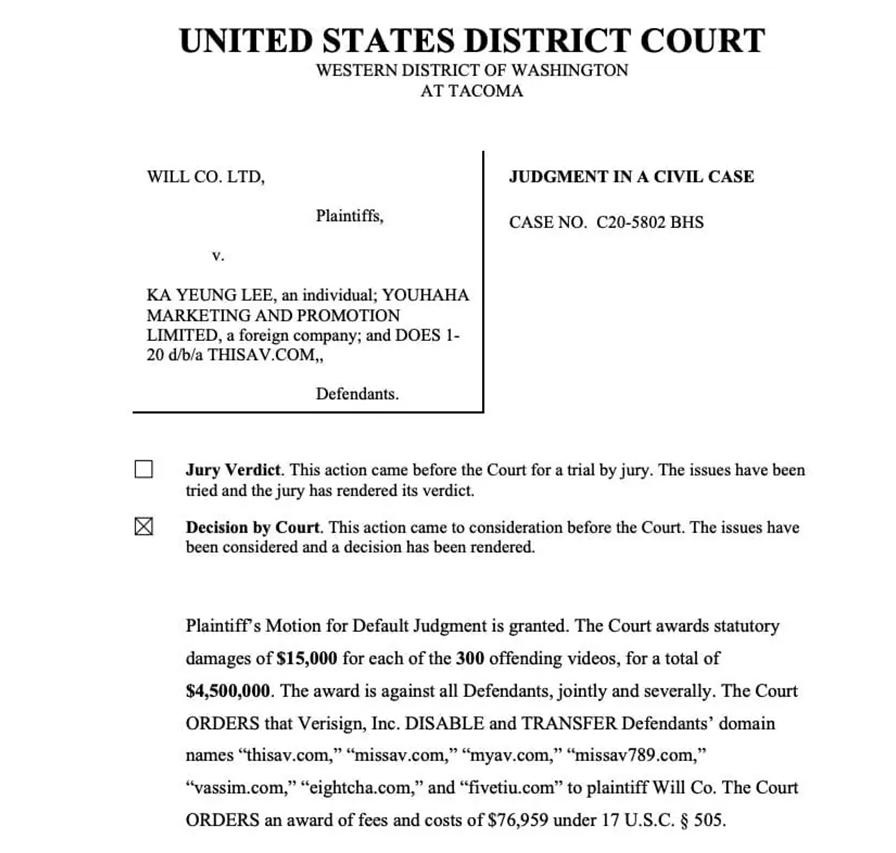
It all began in early 2025, when a U.S. federal court imposed a default judgment against its operators, awarding FANZA $4.5 million in damages and ordering the seizure of domains such as MissAV.com and ThisAV.com.
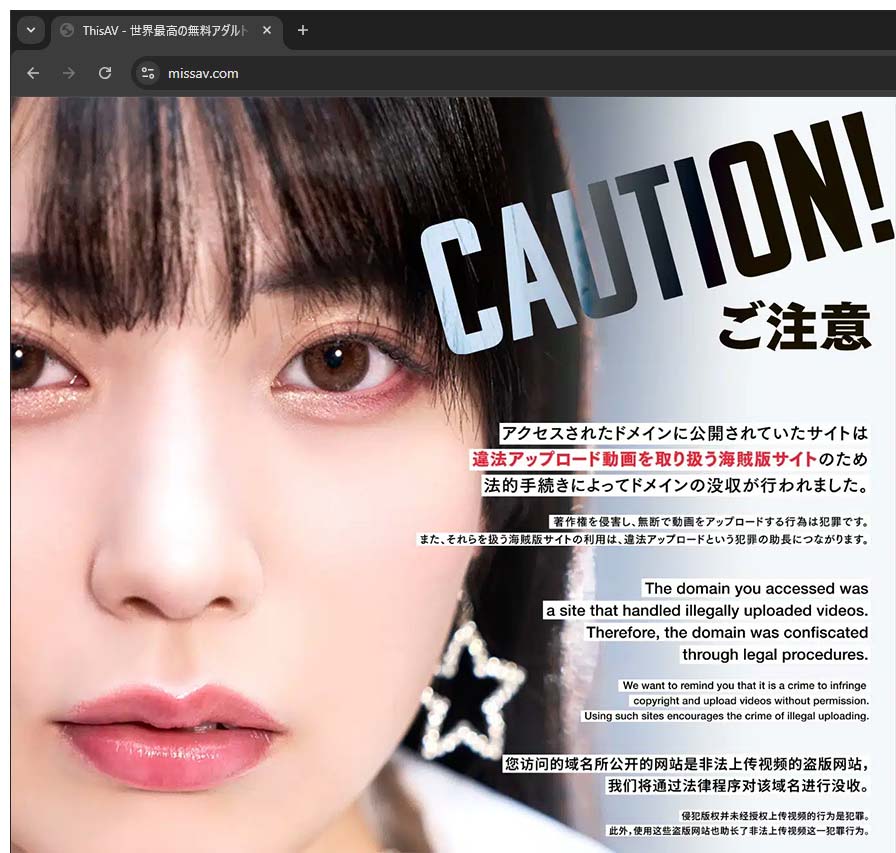
The takedown banners that replaced the domains clearly warned users about copyright infringement and, in Japan, redirected visitors to FANZA’s official site, framing legal consumption of content as a responsible alternative.
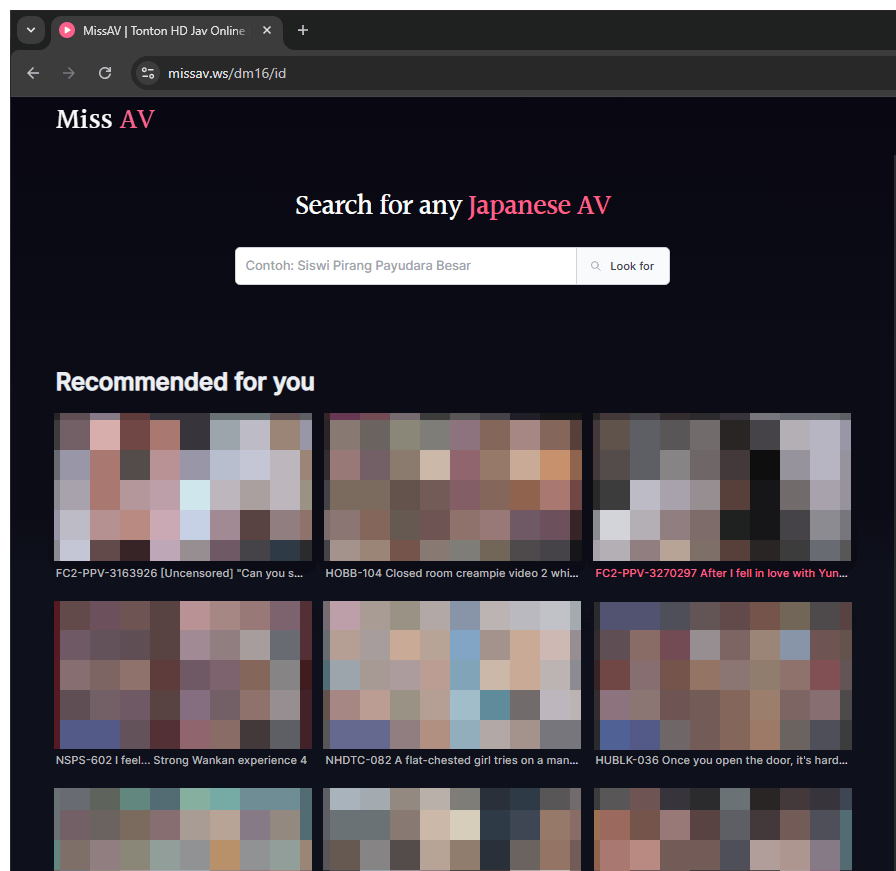
But the disruption was short-lived; within 24 hours, MissAV resurfaced on new domains, using many other new Top-Level Domains (TLDs).
To prevent takedowns and evade future seizures, MissAV deliberately hosted under registries outside U.S. jurisdiction, such as SamoaNIC (Samoa) and Anguilla.
By re-routing traffic to the new domains through resilient DNS structures, MissAV remains accessible.
The community remains skeptical about the long-term effectiveness of enforcement actions, recognizing how quickly MissAV pivots to new domains. Not to mention that MissAV’s founder and infrastructure remain cloaked in anonymity, and the platform reportedly relies on distributed, offshore hosting across multiple IPs and DNS providers to resist censorship and seizure.
This would make it extremely difficult for a total takedown. Then, there is also the fact about the high demand.
As long as the founder still have their hands, and control of the massive database of the pirated JAV, the content will find its way to the web in one way or another.
The MissAV saga highlights broader tensions in the adult entertainment industry: rights-holders like FANZA see substantial revenue loss and advocate for enforcement, while users frustrated by region-locked content, high subscription costs, or censorship turn to pirate sites as alternatives.
For policymakers and platforms, the case underscores the need for multi-pronged strategies, including legal action, improved content accessibility, and consumer education to address piracy effectively.
With MissAV continues, this case is a proof of the resilience of digital piracy in an age of global internet mirrors.
The story serves as a real-world case study in the limits of copyright enforcement, the persistence of unmet demand, and the murky legal underbelly of adult content distribution online.






















































































































































































































































































