The internet can be described as the sum of all human knowledge.
This is because the more people are connected to it, and the more they share their thoughts and opinions, expertise, knowledge and experience, the more information there is in it.
And what this means, both the good and the bad is there.
And due to the nature of the internet, which allows information to pass pretty much freely, opens the opportunities for bad actors to spread misinformation, disinformation, an malinformation.
As a result of this, many started considering the internet as a bad place to be.
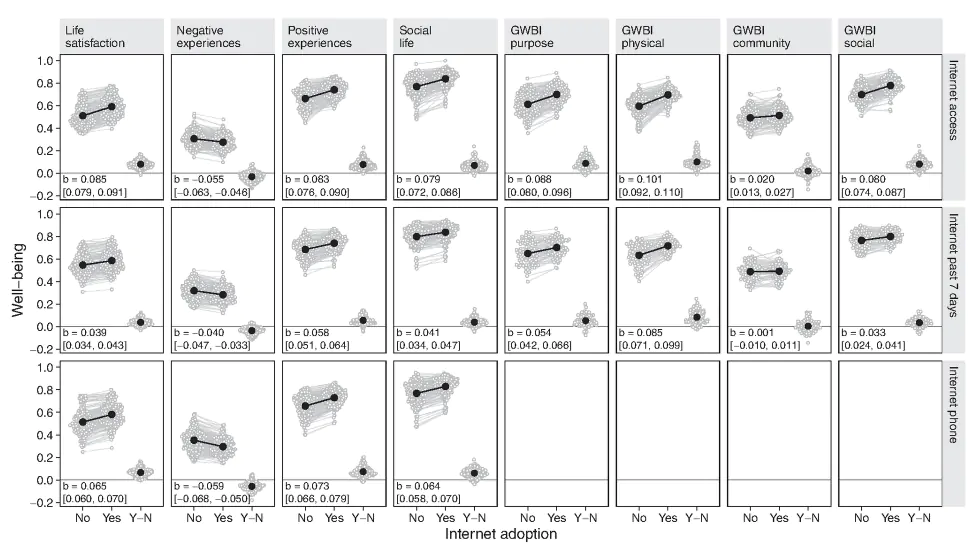
But a study finds that the internet can actually be good for mental health.
According to the study published in the journal Technology, Mind, and Behavior, researchers examined what kind of effect the internet has on psychological well-being of its users.
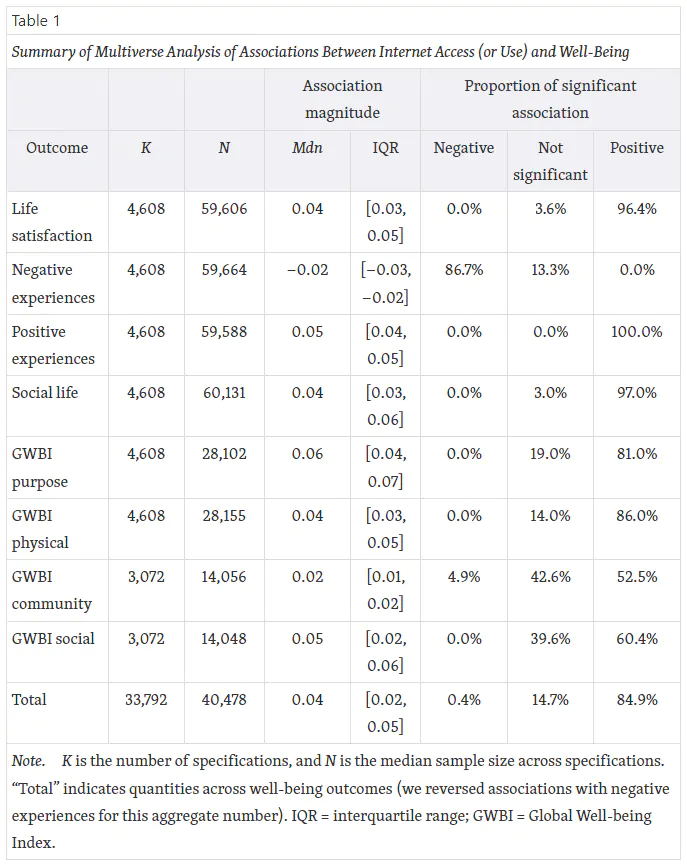
And here, they found that people who had access to the internet scored 8% higher on well-being measures than those who lacked web access.
The effect was similar to the benefit associated with taking a walk in nature.
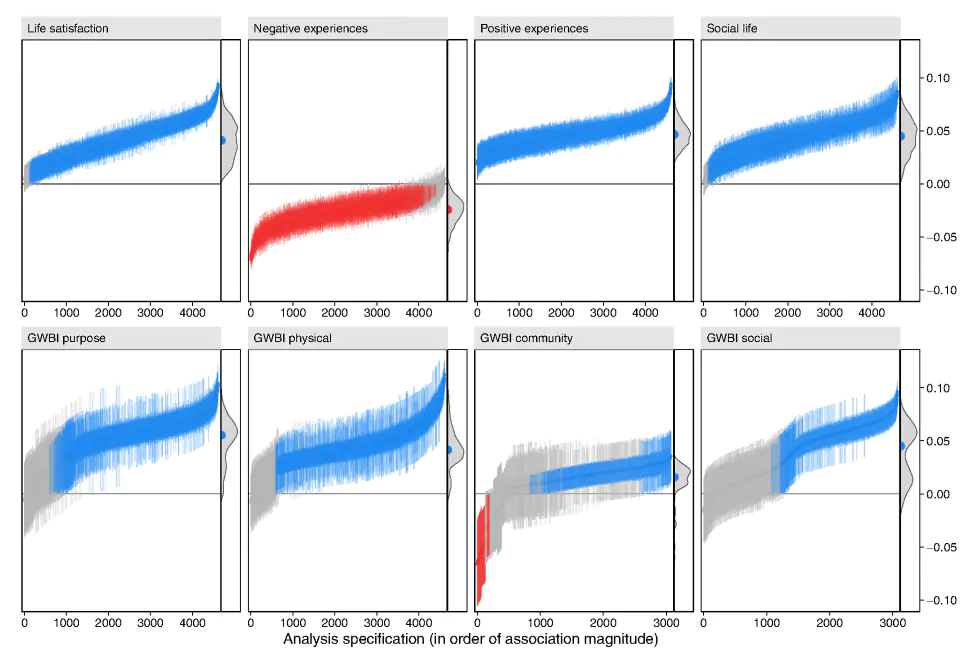
The study looked at eight well-being outcomes: life satisfaction; daily negative and positive experiences; two measures of social well-being; physical well-being; community well-being; and experiences of purpose.
After that, the researchers used a series of multiverse analyses to determine how these measures differed between individuals who had access to and used the internet regularly and those who didn't.
By including data that spans 15 years from 2006 to 2021, and by including more than 2.4 million people in 168 countries, the researchers think that the internet may actually be healthier than previously thought it would be.
The researchers intentionally sought out a more global perspective on internet use than previous research had offered.
According to Andrew Przybylski, one of the study’s authors, in a press briefing:
"More than 90% of data sets come from a handful of English-speaking countries."
While the study doesn't really provide answers about why being online could make people happier, but other the finding supports previous researches, which found that the internet can be a source of social support and community for people living with physical disabilities.
A previous study, conducted by the National Bureau of Economic Research, found that a 10% increase in the proportion of county residents with access to broadband internet leads to a 1.01% reduction in the number of suicides in a county, "as well as improvements in self-reported mental and physical health."
The internet creating communities can also help people create a sense of belonging among people, especially among adolescents. Being involved in these communities can also help reduce depression among older adults.
What's more, the internet has also allowed organizations to provide telehealth services, which also should increased the well-bring of people.
While a number of researches conclude that being online can be a good thing for many people, and that internet access is positively associated with outcomes like life satisfaction and community well-being, there are still reasons why people should be cautious about internet use.
In this study, for example, the concludes that the internet makes most people happier, but there is one notable exception: women between the ages of 15 and 24, were having negative association between internet use and reports of community well-being.
The authors noted that this is "consistent with previous reports of increased cyberbullying and more negative associations between social media use and depressive symptoms among young women."
To minimize the harmful effects of the internet, people are urged to take a break from the internet periodically, by unplugging themselves from social media, and digital detox their mind to prevent symptoms of depression, among other mental health benefits.
Another study conducted on college students who underwent social media detoxes between one to seven days found that most students reported positive changes in mood, better productivity, improved sleep and reduced anxiety.
There is no saying that one should forever be off the grid, because the internet has become vital.
The thing is, the internet is no different than other things in life, which needs moderation.






















































































































































































































































































