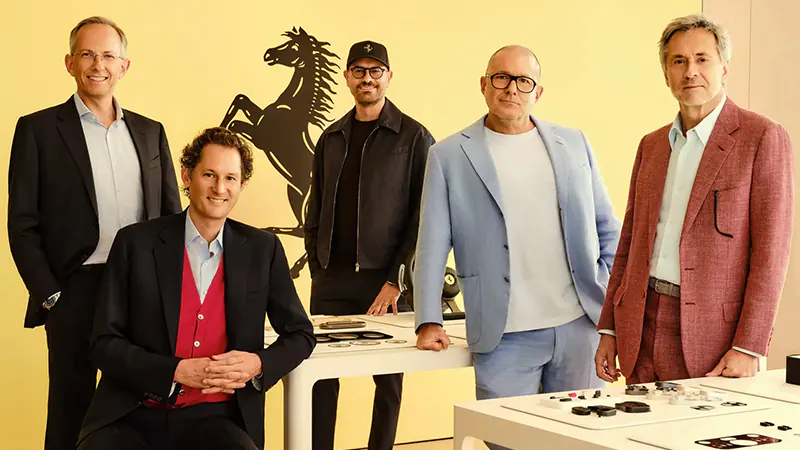
What made the Luce impossible to ignore was not just that it was Ferrari's first fully electric car. It was that the project carried the fingerprints of a man who had already reshaped modern technology once before.
For nearly three decades, Jony Ive transformed Apple from a computer manufacturer into a cultural force. His philosophy was never about adding more features. In line with Steve Jobs's vision, it was more about removing friction. Removing noise. Removing complexity until technology felt inevitable, human, and almost invisible.
The translucent candy-colored iMac changed how computers looked in homes. The iPhone redefined the relationship between humans and machines. Aluminum, glass, tactility, silence, proportion, emotional response. Ive treated industrial design less like engineering and more like architecture mixed with psychology.
When he left Apple in 2019 to establish LoveFrom alongside longtime collaborator Marc Newson, many believed the closest thing to the rumored Apple Car had disappeared with him.
Instead, it resurfaced in Maranello, quietly.
For five years, Ferrari and LoveFrom operated under extraordinary secrecy, building what insiders described as less a car program and more a complete reinvention of the relationship between driver, software, and machine. Engineers moved between Ferrari's facilities in Maranello and LoveFrom's studios in San Francisco, merging two radically different philosophies: Italian emotional engineering and Silicon Valley precision minimalism.
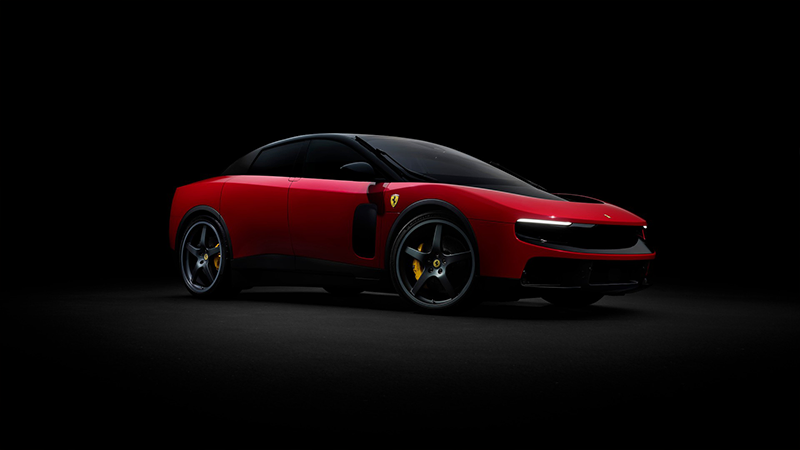
The result was the Luce, and Ferrari in a website post dubbed it as a new chapter for the Maranello marque.
And the internet exploded.
Named after the Italian word for "light," the Luce represents illumination in multiple forms. Electric energy. Digital intelligence. Ferrari's attempt to guide itself into an uncertain post-combustion future without abandoning its soul. But unlike most EVs chasing screens, automation, and sterile futurism, the Luce moves in the opposite direction.
It rejects the current trajectory of the automotive industry.
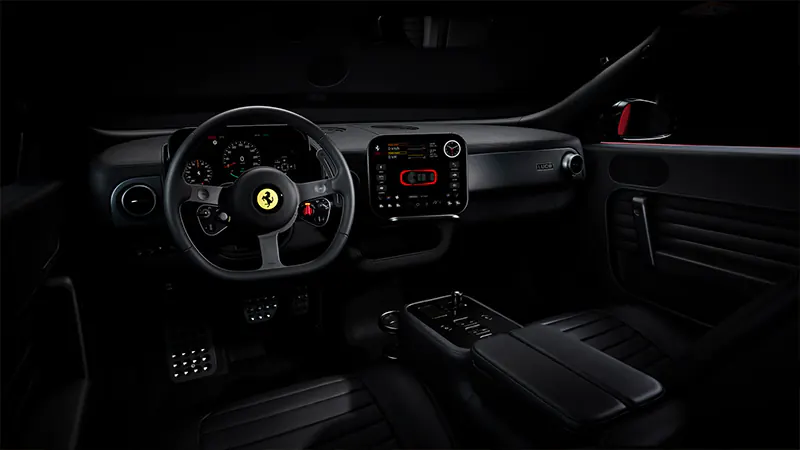
Where most electric vehicles resemble oversized smartphones on wheels, the Luce feels deliberately anti-digital in its philosophy. Ive reportedly pushed Ferrari to abandon the touchscreen obsession dominating modern interiors, arguing that touch-only interfaces create cognitive overload and emotional detachment between driver and machine.
So instead of burying the cockpit behind giant tablets and endless menus, the Luce resurrects physicality.
Real buttons. Real switches. Real mechanical feedback.
The cabin is constructed around dozens of CNC-machined aluminum controls that click with deliberate resistance calibrated to feel almost surgical in precision. The steering wheel takes inspiration from vintage 1950s Nardi designs, integrating tactile controls with Ferrari's signature red manettino selector in a way that feels timeless rather than retro.
Yet beneath this analog warmth sits astonishingly advanced technology.
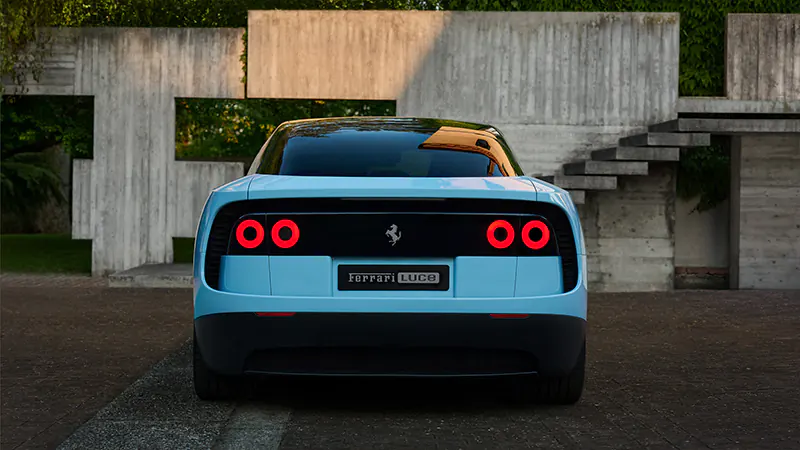
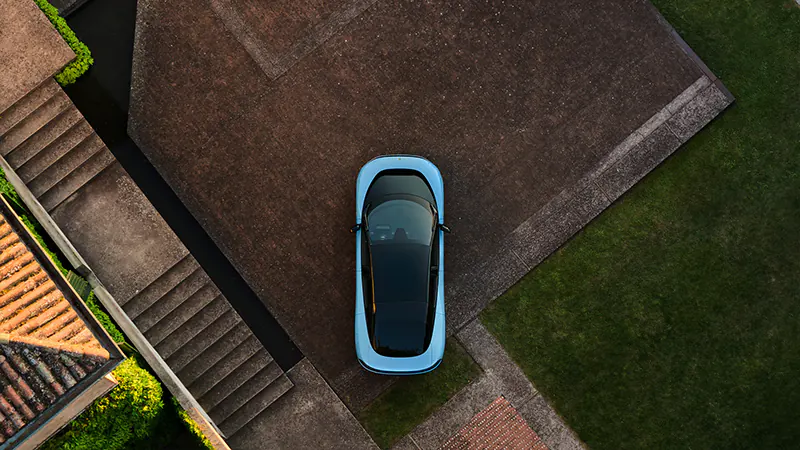
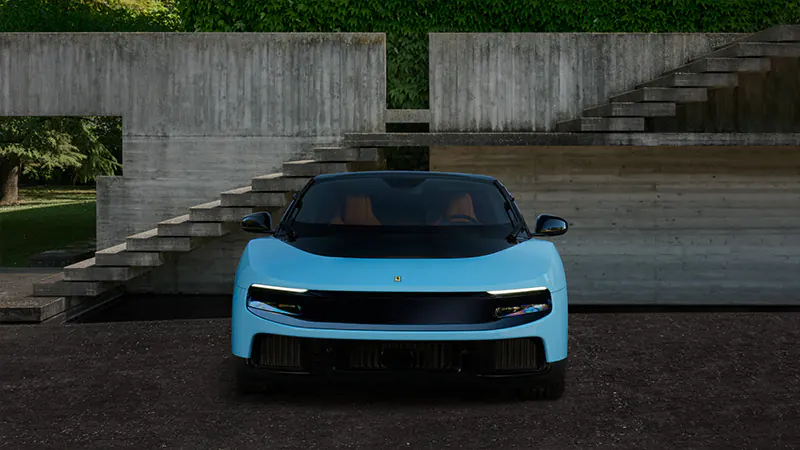
The instrument cluster combines layered Samsung OLED displays with a physical aluminum needle that pierces through digital graphics during startup like a mechanical artifact emerging from software. 40 individual components of Corning Gorilla Glass are integrated throughout the cockpit, not as decorative gimmicks, but as structural visual elements that create depth, refraction, and clarity without visual clutter.
Even the key became an internet obsession.
The Luce key is a minimalist slab of glass embedded with E Ink technology that changes appearance depending on interaction state while consuming virtually no power when static. In pockets, it glows Ferrari yellow. On a table, it resembles a luxury tech object more than a traditional car key.
The internet immediately called it "the Apple Car key that never existed."
And that comparison never stopped.
Because the Luce feels uncannily close to what the canceled Apple Car project may have become if it had survived.
Not just aesthetically, but also philosophically.

The vehicle is built around invisible computing rather than visible computing.
Software exists everywhere inside the Luce, yet almost never demands attention. Ambient AI systems manage thermal efficiency, torque distribution, suspension adaptation, battery conditioning, and driver personalization silently in the background instead of flooding the cabin with notifications and menus.
Ferrari and LoveFrom reportedly referred to this internally as "calm technology." Computing that serves humans without constantly interrupting them.
That philosophy extends into the exterior.
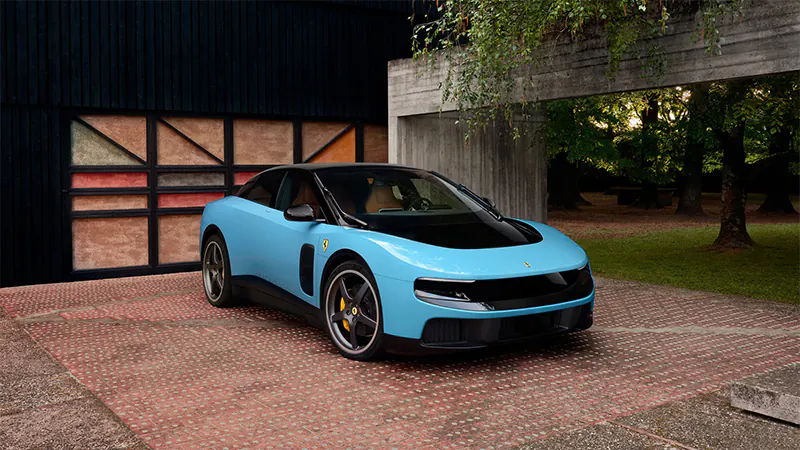
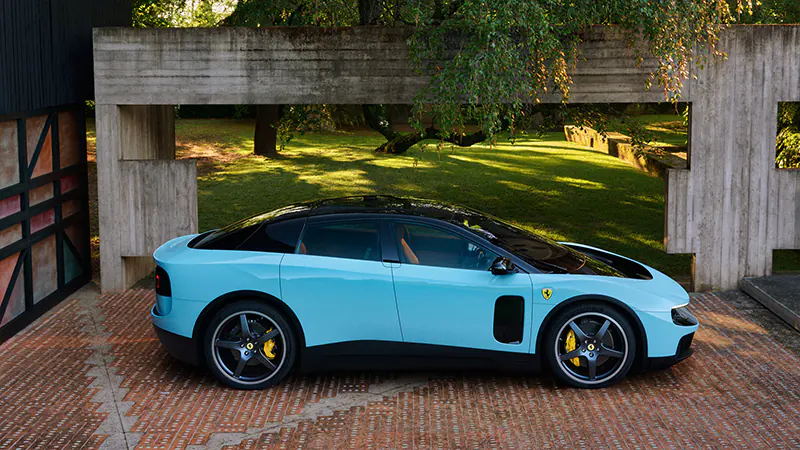
Unlike the aggressive angular theatrics of many electric hypercars, the Luce adopts an unusually restrained silhouette. The surfaces are clean, sculptural, almost monolithic. Air channels are hidden. Sensors disappear into bodywork. Lighting signatures remain razor-thin and understated. Some critics described it as breathtakingly elegant.
Others called it unforgivably cold.
And nowhere was that divide more visible than online.
Across Reddit, YouTube, Instagram, X, and Hacker News, the Luce instantly became one of the most polarizing automotive launches of the decade.
Tech communities largely adored it.
Design enthusiasts praised the rejection of touchscreen maximalism and described the cockpit as “the first EV interior designed by people who understand human attention spans.” Apple loyalists celebrated the obsessive detailing, material consistency, and invisible software integration. Some users argued the Luce represented the first genuinely post-Tesla vision of luxury mobility, one focused less on giant displays and software gimmicks and more on emotional ergonomics.
Posts dissecting tiny details went viral.
The sound profile engineered to emulate pressure waves rather than fake engine noise; the haptic tuning of aluminum switches; the layered OLED instrument architecture; the E Ink key; the startup sequence; the hidden vents; the seamless glass transitions.
Every detail became internet fuel.
But Ferrari purists were horrified.
While lots of people love the iPhones from Ive, forums erupted with accusations that Ferrari had surrendered its identity to Silicon Valley aesthetics. Critics described the car as "a Cupertino appliance wearing a Prancing Horse badge."
Others argued the restrained geometry lacked the theatrical drama expected from Maranello. Some compared the cabin to a luxury sim racing setup or a concept car generated by AI rather than a real Ferrari.
For traditionalists, Ferrari is not merely transportation.
It is noise, violence, mechanical chaos, emotion.
Many Ferrari purists view the brand as something sacred, a symbol built on decades of racing dominance, mechanical theater, and elite automotive heritage. To them, every Ferrari is expected to embody aggression, drama, and unmistakable supercar identity.
A Ferrari is supposed to feel alive, dangerous, irrational, almost operatic.
The Luce, is everything but that.
It feels controlled. Precise. Silent. Intellectual.
It does not look like a traditional hypercar. It lacks the sharp, theatrical presence people associate with modern Ferraris. It barely resembles a supercar at all, and in some angles, it feels closer to a minimalist luxury tech object than a machine born from Maranello's racing bloodline.
With four doors and a cabin that can accomodate five people, Ferrari even said that Luce is "the most comfortable Ferrari ever."
To many enthusiasts, these are the problems.
They argue the Luce abandons the raw emotional intensity that made Ferrari legendary, replacing operatic Italian passion with cold Silicon Valley minimalism. Some online commentators even compared the project to Jaguar's failed rebrand attempts, accusing Ferrari of chasing modern design trends at the expense of its identity.
Read: Jaguar Embraces ‘Woke’ Culture, And Stirs Confusion With Its Car-Free Advertisement
And yet even critics admitted one thing.
They could not stop talking about it.
Because the Luce represents something bigger than a single car. It is a collision between two worlds that increasingly define the future of luxury itself. Silicon Valley’s obsession with frictionless technology and Italy’s obsession with emotional craftsmanship.
Underneath its sculptural bodywork, the Luce delivers genuinely staggering engineering figures. Over 1,000 horsepower from four independent in-wheel motors. 0 to 100 km/h in 2.5 seconds. An 880-volt electrical architecture. Rapid charging capability. More than 530 kilometers of WLTP range from a massive 122 kWh battery pack.
Yet Ferrari understood that in the EV era, raw numbers alone no longer create mythology.
Every electric hypercar is becoming absurdly fast.
Acceleration has become commoditized.
The new battleground is experience, feeling, attention, and human connection. That is where the Luce attempts to differentiate itself.
Not by being louder than technology, but by making technology disappear.
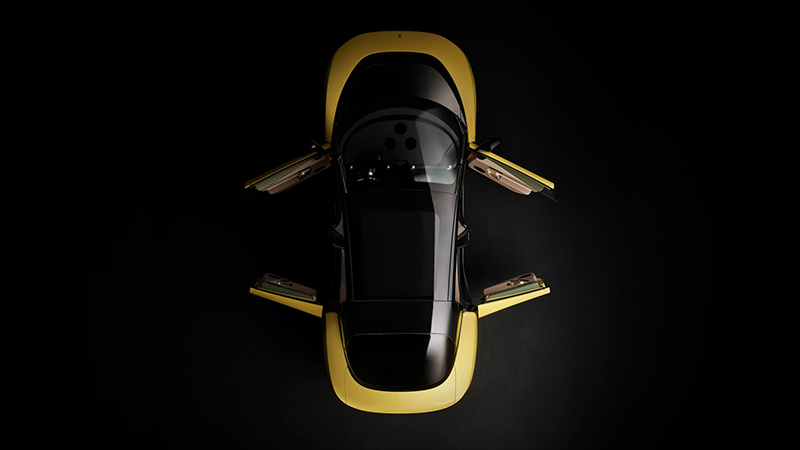
Nevertheless, the general consensus acknowledges the bold risk Ferrari took in this collaboration and the Luce, and has since ignited endless debate about whether this blend of tech heritage and automotive passion will ultimately endure as a timeless masterpiece or stand as a polarizing experiment that divides opinions for years to come with many agreeing that regardless of personal taste it has successfully sparked vital conversations about the future of driving in an electric world.
The industry is now forced to confront an uncomfortable question.
As cars become increasingly software-defined, autonomous, and digitally saturated, should the future of driving feel more like interacting with a smartphone?
Or less?