When something comes with a huge force, it will send ripples everywhere. And cryptocurrency is the perfect example of a phenomenon that only a few saw it coming.
While some countries are open to the digital currencies, other countries that have stricter rules want to regulate cryptocurrencies.
And among them, want to regulate them very carefully.
Wrong move, and they risk losing their grip and ability to control the flow of money through banks.
Cryptocurrencies are decentralized, and this makes it a problem for a number of countries, including Russia.
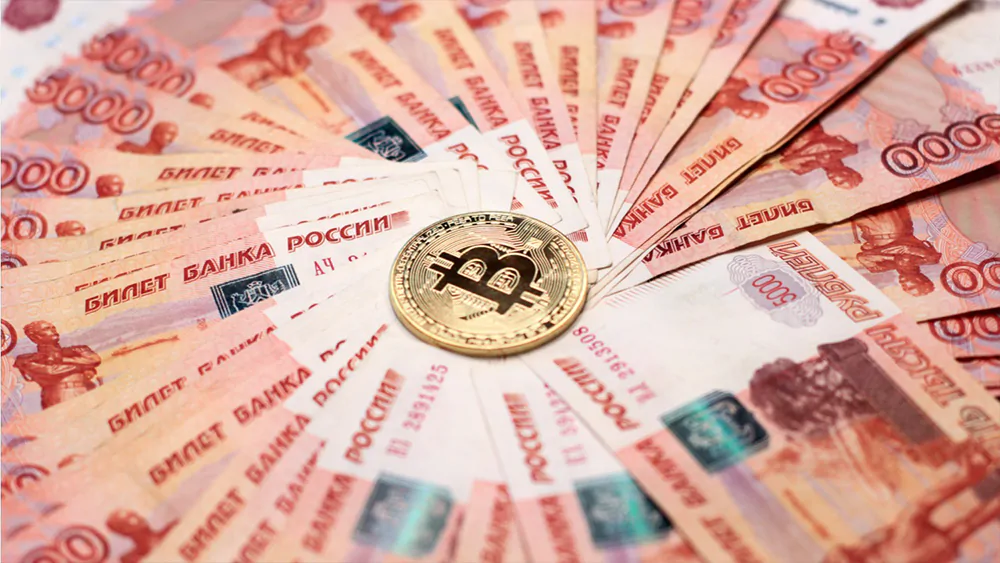
But unsurprisingly, in an announcement, Kremlin is moving forward to regulate cryptocurrencies, and other countries are expected to follow suit.
The news came following a framework drawn up by Russia’s government and central bank. Policymakers are expected to draft fresh legislation or amend existing laws to oversee cryptocurrencies as legitimate currencies.
With the legislation, Russia wants to define cryptocurrencies as an "analogue of currencies," rather than digital financial assets.
Russian President Vladimir Putin said that he supports a plan to tax and regulate mining, referring to “competitive advantages” Russia could gain from cryptocurrency mining.
According to Russia, the regulations should stabilize any broader economic impacts from digital assets.
And to those in the cryptocurrency business, Russia's response to the cryptocurrency trends marks a broader shift in the nation, suggesting that the technology is here to stay.
With the legislation, Bitcoin transactions and possession of cryptocurrency in the Russian Federation are not prohibited; however, they must be done through a "digital currency exchange organizer" (a bank) or a peer-to-peer exchange licensed in the country.
The rules also suggest that cryptocurrency transactions worth more than 600,000 rubles (roughly $8,000) should be declared; or, it could be considered a criminal act.
Those who illegally accept cryptocurrencies as payment will incur fines.

It's worth noting that back in January 2022, the Bank of Russia called for a nationwide cryptocurrency ban, in a report that warned about the speculative nature of the industry.
The bank also stated that financial firms should not facilitate cryptocurrency transactions as part of that proposal to ban digital assets.
However, the proposal generated opposition from the Russian Ministry of Finance.
Days after the Russia's central bank's call for the ban, Ivan Chebeskov, Director of the Department of Financial Policy, said that the government should regulate cryptocurrency rather than prohibiting it entirely.
If Russia bans cryptocurrencies, he warned that the result may make Russia fall behind in technology.
Because Russia is following the Ministry of Finance’s suggestion to regulate Bitcoin and other cryptocurrencies instead of banning them as previously recommended by its central bank, the Russian government published a document to outline its rationale behind the decision.
Here, the Russian government wants to remove cryptocurrencies from the regulatory “gray” area, and integrate them into the financial system while “protecting the rights and interests of the investors” while dividing them between “qualified” and “non-qualified” investors, the document said.