Citizenship can be considered a relationship between someone and a state, in which the person owes allegiance and in turn is entitled to its protection.
And in Saudi Arabia, to be an Arab means that one must obey whatever laws the the ultraconservative kingdom is having, and never speak anything against its leaders, especially against Mohammad bin Salman al-Saud.
Consequences can be dire, and a prominent preacher and academic is learning it the hard way.
Awad Al-Qarni, who often appeared on TV shows in Saudi Arabia, was arrested in 2017 at the start of Crown Prince Mohammad bin Salman's crackdown against dissent.
And this time, the Saudi regime has sentenced the professor to death for using the social media platforms, like Twitter and WhatsApp, to share news claimed to be "hostile" to the kingdom.
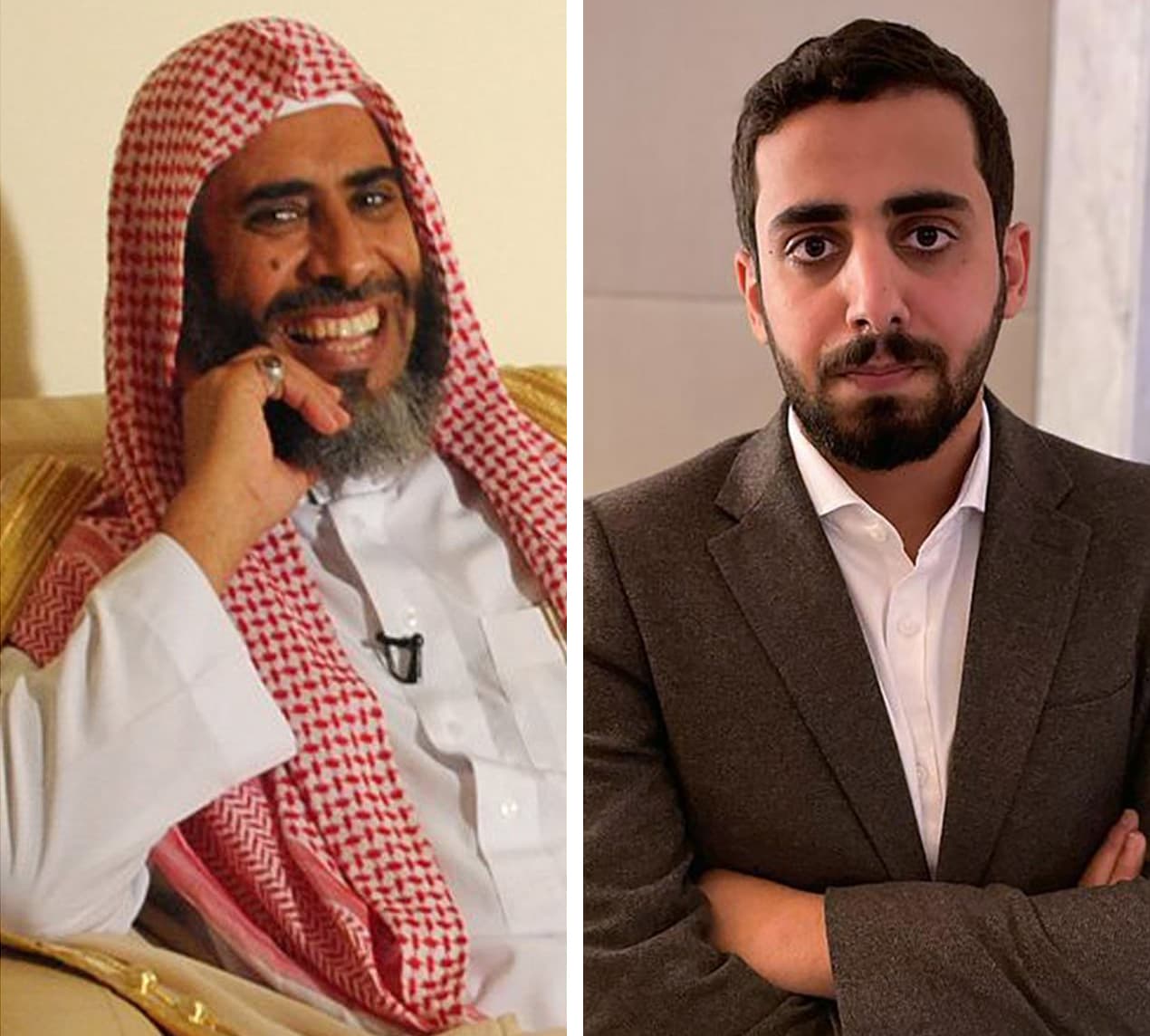
Qarni, who is also a preacher of Islam and an author, has a high status that made him a recognized person in his field, as well as in the kingdom.
After all, Qarni is an important figure, and a well-regarded intellectual.
The thing is, he has strong social media following, including two million Twitter followers.
When Qarni was arrested in September 2017, and that happened shortly after Mohammad bin Salman was named the crown prince of Saudi Arabia. It was since that time, that Qarni was labeled by Saudi-controlled media as a "dangerous preacher."
This time, the charges that led to the death penalty, included the fact that the law professor used a social media account under his own name (@awadalqarni), and used it "at every opportunity … to express his opinions."
The court documents also claimed that Qarni “admitted” participating in a WhatsApp chat, and was accused of participating in videos in which he praised Egypt's Muslim Brotherhood. Qarni’s use of Telegram and creation of a Telegram account was also included in the allegations.
The revelation was made by Qarni's son, Nasser, who fled the kingdom and is living in the UK.
It was Nasser who first shared the details of the charges brought against his father.
Spreading hostile news to the internet is forbidden in many cases within the kingdom.
There has been a case, like when a woman was given a 34-year jail sentence for using Twitter to retweet messages of activists. Another case was when a Saudi Arabian woman was jailed for using Twitter.
The most notorious, was when the Saudi Arabian regime is accused of ordering the 2018 brutal murder of dissident Saudi journalist Jamal Khashoggi, a U.S.-Saudi citizen, who used to be a vocal critic of the Saudi royalty.
It's said that Khashoggi was dismembered during his visit to the Saudi Consulate in Istanbul, Turkey.
Since Mohammad bin Salman became Saudi Arabia’s de facto leader, the kingdom has arrested hundreds of activists, bloggers, intellectuals, and others for their political activism, showing almost no tolerance for dissent even in the face of international condemnation of the crackdown.
And because of this, the use of social media and other communications have been closely monitored within the kingdom.
Read: 'Jamal Died Again Today,' Said Khashoggi's Ex-Fiancée On Twitter
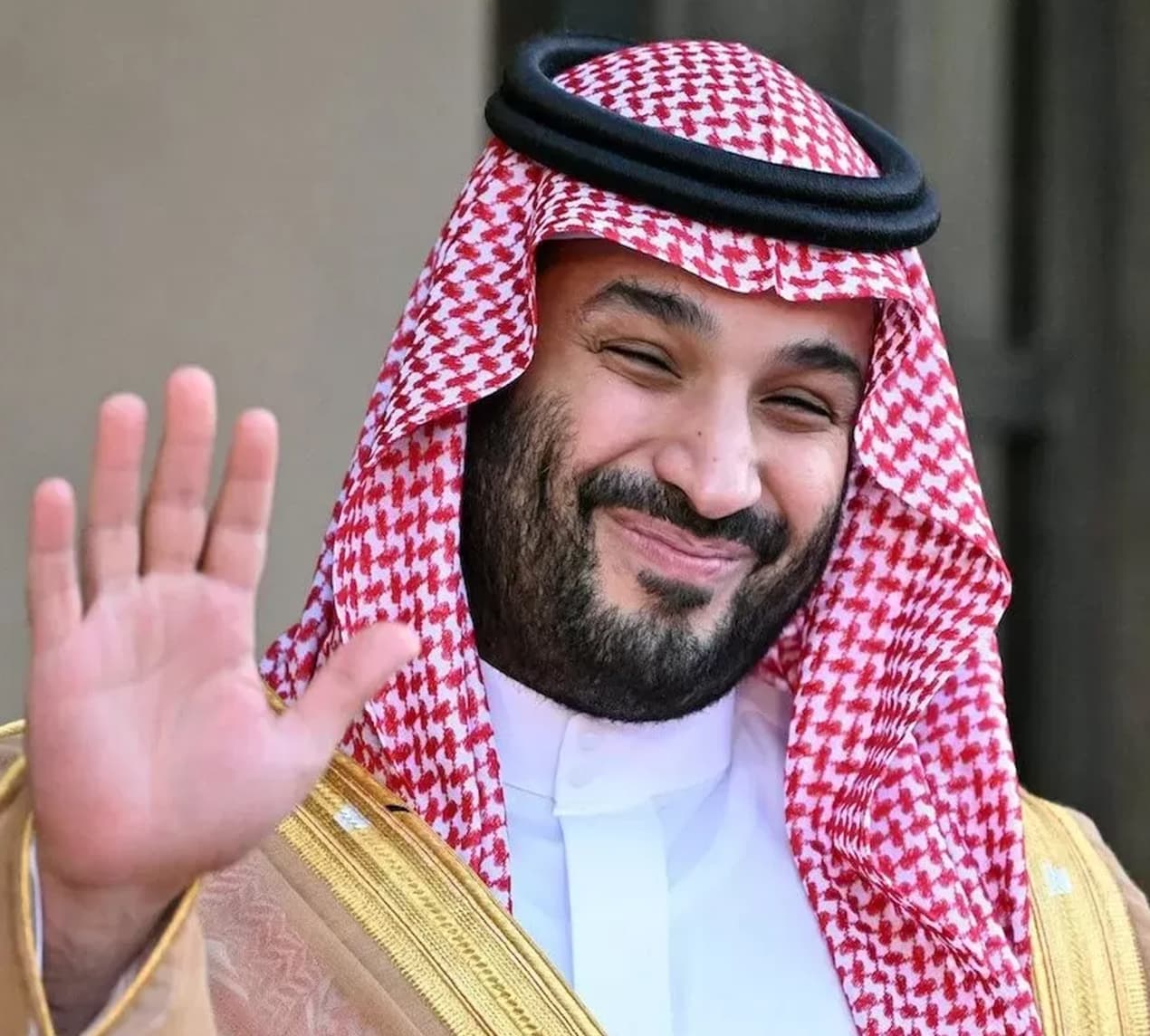
With Qarni facing death sentence, evidence shows that Mohammad bin Salman is not slowing down when it comes to cracking down on the use of social media within Saudi Arabia.
The ruling against the Saudi professor comes as human rights advocates and Saudi activists have warned that authorities in Riyadh are engaging in a severe crackdown on individuals who are perceived to be critics of the Saudi leaders.
It's worth noting though, that even when its government is limiting what its citizens can say on the internet, the Saudi Arabia’s sovereign wealth fund, the Public Investment Fund, has increased its stake in Facebook and Meta, the company that owns Facebook and WhatsApp.






















































































































































































































































































