Religion can be described as a social-cultural system where people practice certain behaviors, believe certain morals, beliefs, worldviews, texts, worship in sanctified places, and believe in prophecies and ethics.
More than often, religious things can be referred to those that have supernatural, transcendental, and spiritual elements.
The explanation of the term religion may vary from one to another, and there is no scholarly consensus that can really detail what precisely constitutes a religion.
But what is certain, many religions include things that are related to God and the afterlife.
And this time, scholars are studying to understand whether or not Bitcoin can be considered a religion.
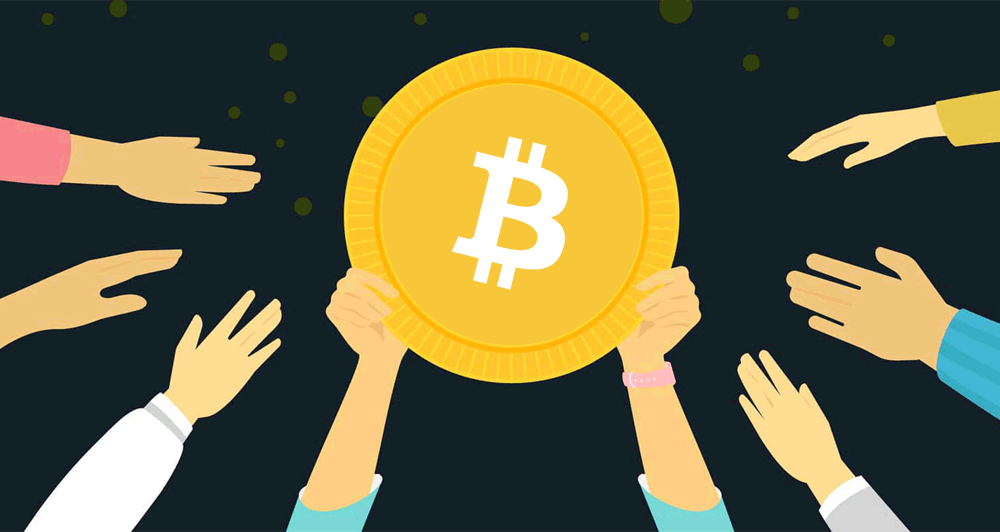
The hype, the trend, the huge adoption, and the many fans of Bitcoin make many news agencies and commentary websites to comment about the popular cryptocurrency.
And many among those articles, include those written and produced by academics and journalists.
Bloomberg’s Lorcan Roche Kelly, for example, called Bitcoin “the first true religion of the 21st century.” Bitcoin promoter Hass McCook called himself “The Friar” and wrote a series of blog posts comparing Bitcoin to a religion.
There is a Church of Bitcoin, founded in 2017, that explicitly calls legendary Bitcoin creator Satoshi Nakamoto its “prophet.”
And in 2018, the first blockchain-based religion was founded.
In a number of places around the world, there are signs and billboards, as well as slogans that say things like "Crypto Is Real," comparing the cryptocurrency to god.
Like how people consider religions, many even consider Bitcoin to have restrictions associated with it.
Studies to understand whether Bitcoin is a religion comes from the fact that there is no universal definition of what religion is.
Traditions such as Christianity, Islam and Buddhism certainly exist and have similarities, but the idea that these are all examples of religion is relatively new.
Making things more complicated, different people can have opinions considering religion.
Theologians, sociologists, and legal theorists may have many different definitions of religion, all of which are more or less useful depending on what the definition is being used for.
The word "religion" in the modern world of tech, is a vague category.
What's more, what has historically counted as religion has changed over the centuries, and there are times when political interests try to influence religions.
When people are trying to understand if Bitcoin does have a place in humanity's social-cultural system, commentators and those who are a bit agnostic said that studies like these are meant to steer investors away from Bitcoin.






















































































































































































































































































