Forbidden Stories is a Paris-based nonprofit journalism organization founded in 2017 by French investigative journalist Laurent Richard.
Its mission is to continue and publish the work of journalists who have been silenced due to threats, imprisonment, or assassination. By collaborating with a global network of media partners, Forbidden Stories ensures that critical investigations into corruption, environmental crimes, human rights violations, and other pressing issues are not lost but instead brought to public attention.
The organization was inspired by the tragic killings of journalists such as Daphne Caruana Galizia in Malta and the attack on Charlie Hebdo in Paris.
These events highlighted the need for a platform that could safeguard and continue the vital work of journalists facing extreme risks. Forbidden Stories operates by allowing journalists to securely share their investigations, ensuring that if they are unable to complete their work, others can carry it forward.
And this time, Forbidden Stories has helped brought the case of Victoria Roshchyna to international focus through the internet.
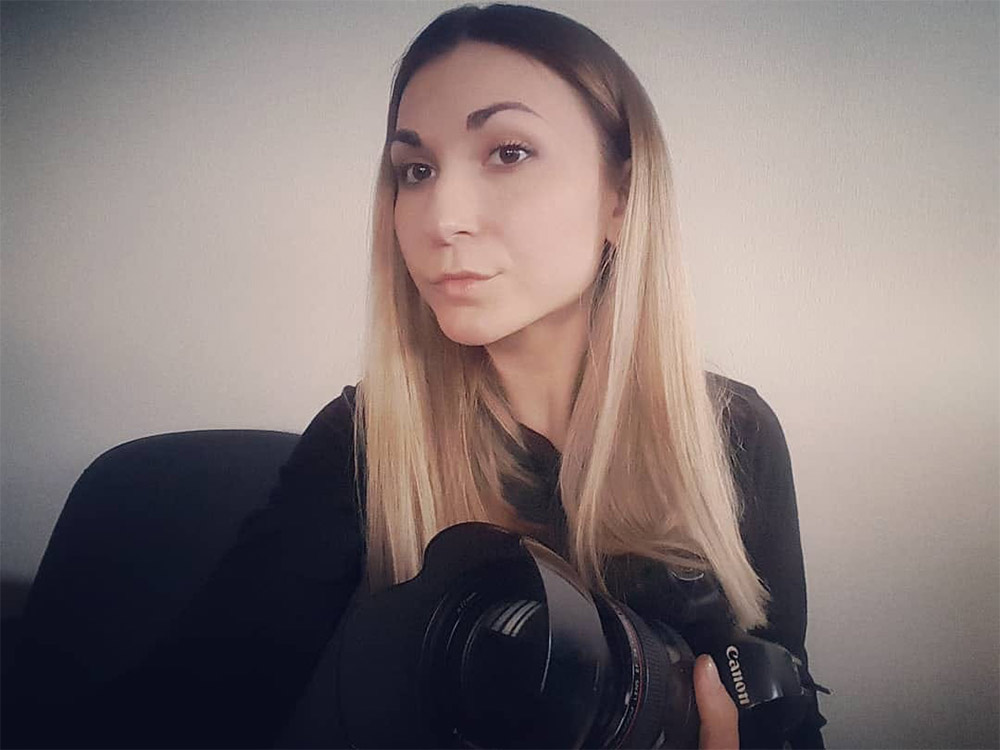
Victoria Volodymyrivna Roshchyna (Вікторія Володимирівна Рощина) was a courageous Ukrainian freelance journalist who dedicated her career to reporting on the Russian invasion of Ukraine, particularly the situation in occupied territories and the plight of civilians.
Born on October 6, 1996, in Zaporizhzhia, she reported for outlets such as Hromadske, Ukrainska Pravda, and Radio Free Europe, often venturing into dangerous territories in Russian-occupied areas to shed light on human rights abuses and war crimes. Roshchyna had her reports focused in uncovering the harsh realities of life under Russia-Ukraine war.
Her first detention was back in March 2020, when she was reporting from Berdiansk, which was under Russian occupation. She was detained by Russian forces (FSB) for ten days.1 She was released after public pressure but was forced to record a video stating that Russian forces had saved her life. She later wrote about her experience in captivity for Hromadske.
Roshchyna, the recipient of the 2022 Courage in Journalism Award from the International Women's Media Foundation for her fearless reporting in eastern Ukraine, undertook her final assignment in July 2023. At the time, she traveled through Poland and Russia before heading to the Russian-occupied Zaporizhzhia region, near the Zaporizhzhia nuclear power plant.
Her aim was to investigate secret detention sites (so-called "black sites") where Ukrainian civilians were allegedly being tortured and to identify the officials involved.
Contact with her family was lost around August 3, 2023.
It is believed that she was initially detained in Enerhodar after possibly being spotted by a drone. She was then moved to a torture site in Melitopol before being transferred in December 2023 to SIZO-2, a notorious pre-trial detention facility in Taganrog, Russia.
She was held without charge or legal representation.
It is later confirmed that during captivity, she was experiencing severe mistreatment, endured brutal conditions, including torture and inhumane treatment.
Tragically, she died in Russian custody in September 2024.
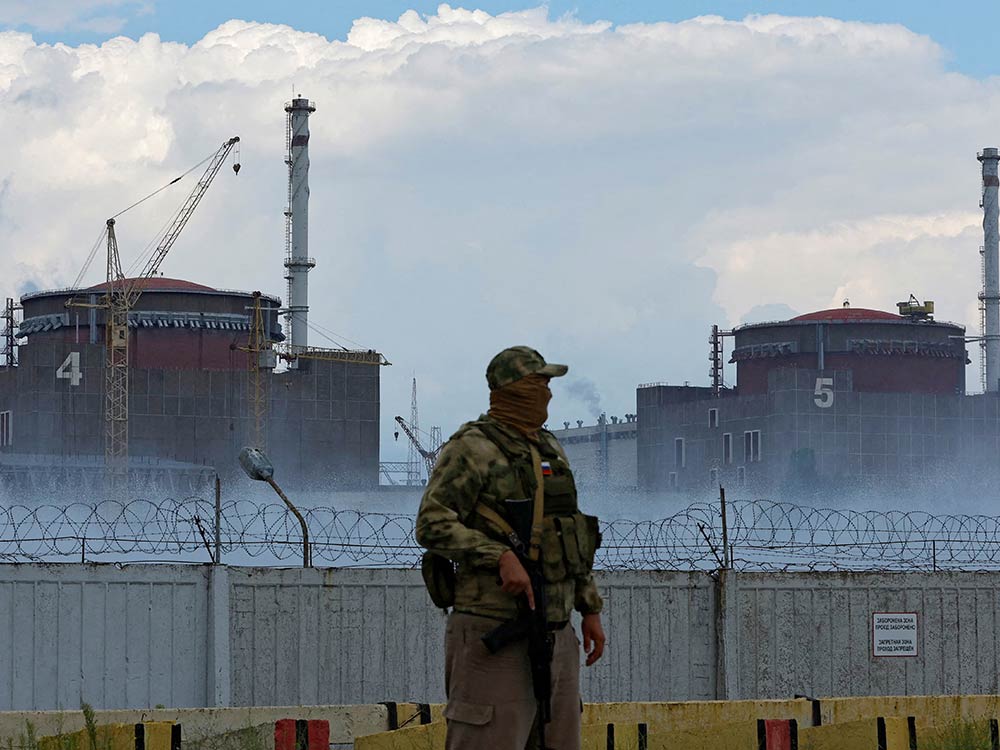
When her body was returned to Ukraine in February 2025 as part of a body exchange between the Ukraine and Russia, she was mislabeled as an "unidentified male."
And when the forensics team got their hands on her body, multiple DNA analyses later confirmed Roshchyna's identity. She was 27 years old, and examinations confirmed how she suffered extensive signs of torture.
Yuriy Belousov, head of the war crimes department at the Ukrainian Prosecutor General’s Office, said that forensic examination of Roshchyna’s body found "numerous signs of torture and ill-treatment… including abrasions and hemorrhages on various parts of the body, a broken rib and possible traces of electric shock."
Belousov added that the injuries were sustained while Roshchyna was still alive.
She also suffered severe weight loss, dropping to around 30 kilograms, and was often unable to stand or lift her head without assistance. Her requests for medical help were ignored.
Not only that, because the team also found that Roshchyna had many of her organs removed.
Based on the missing brain, eyeballs, and part of her trachea, investigators suggests Russia's attempts to conceal the cause of her death.
When reports were initially released, the state of Roshchyna’s body has made it too difficult to determine how she died, but Belousov said Ukraine is enlisting the help of international forensic experts.
It's worth noting that Forbidden Stories played a pivotal role in amplifying the investigation into Viktoriia Roshchyna's tragic death, but they were not the first to raise concerns about her disappearance.
Roshchyna, a courageous Ukrainian journalist, vanished in August 2023 while reporting near the Zaporizhzhia nuclear power plant.
After her family and colleagues promptly reported her missing, Ukrainian media outlets like Ukrainska Pravda and Hromadske began covering her disappearance. International attention grew when The Daily Beast published an article in October 2023, highlighting her case and urging action.
It was in April 2024, when Russian authorities officially acknowledged her detention, a development that intensified media scrutiny. What this means, Roshchyna was detained by Russian forces and deported to Russia, though the country did not admit to holding her captive until nine months after her father first reported her missing.
Following the confirmation of her death in October 2024, Forbidden Stories then initiated the "The Viktoriia Project" by collaborating with 45 journalists from 13 media outlets, including The Guardian, Le Monde, and Der Spiegel. This extensive investigation delved into Roshchyna's detention and the broader issue of unlawful detentions in Russian-occupied territories.
While Forbidden Stories significantly expanded the investigation and brought international attention to Roshchyna's case, the initial efforts to raise awareness began with her family, Ukrainian media, and concerned colleagues.
The project publicizes the circumstances surrounding Roshchyna’s death, and reveals how thousands of Ukrainian civilians are facing arbitrary detention and torture in a "dark" network of Russian prisons.
In other words, the story shed light on the profound and devastating impact of war on civilians, highlighting the dangerous intersection they face between physical conflict and ideological warfare.
Although journalists are non-combatants, they are frequently targeted because of their vital role in documenting the truth, exposing atrocities, and challenging harmful propaganda. In conflict zones, they are not merely witnesses but essential voices that bring the horrors of war to the world's attention and hold those responsible accountable.
Their vulnerability stems from the fact that their reporting often uncovers war crimes, human rights abuses, and corruption—unsettling truths that those engaged in the conflict seek to hide at all costs.
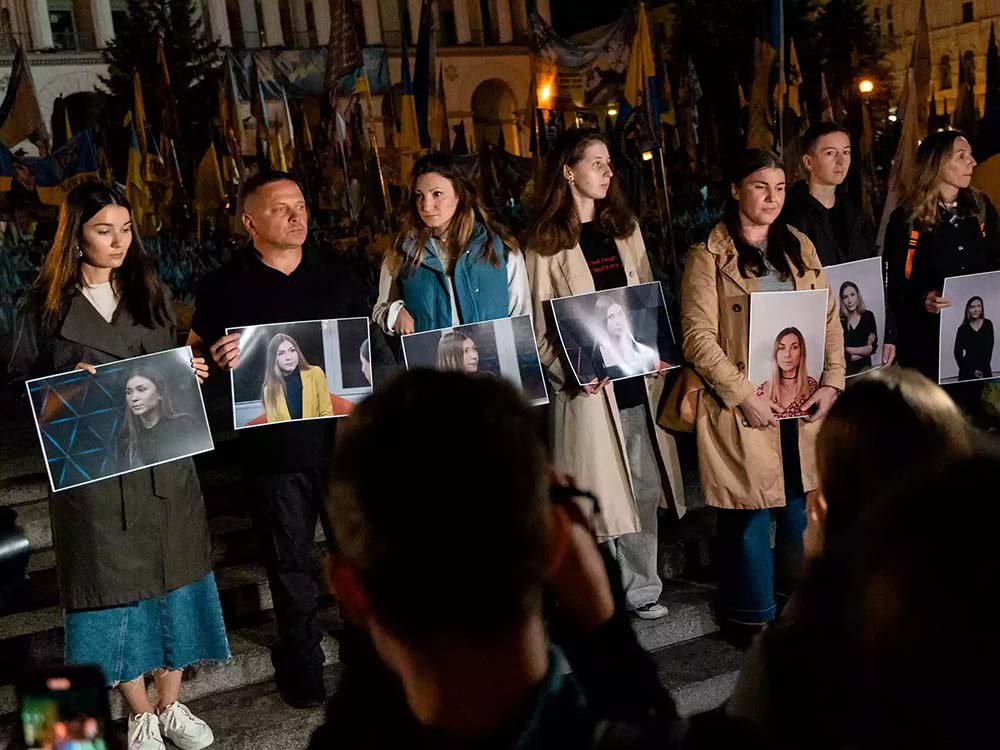
In this case, Viktoriia Roshchyna was detained and ultimately died in Russian custody after revealing the brutal conditions in occupied territories.
Independent reporting often directly contradicts the narratives pushed by states engaged in war, making journalists prime targets for suppression.
In some cases, journalists are even labeled as "terrorists" or "spies," a tactic used to justify their elimination.
Beyond the physical dangers, the psychological toll on journalists is immense. The trauma, isolation, and emotional strain of reporting from war zones often result in long-term mental health issues. Freelance journalists, in particular, are at greater risk as they often lack the resources or support systems to protect themselves adequately in hostile environments.
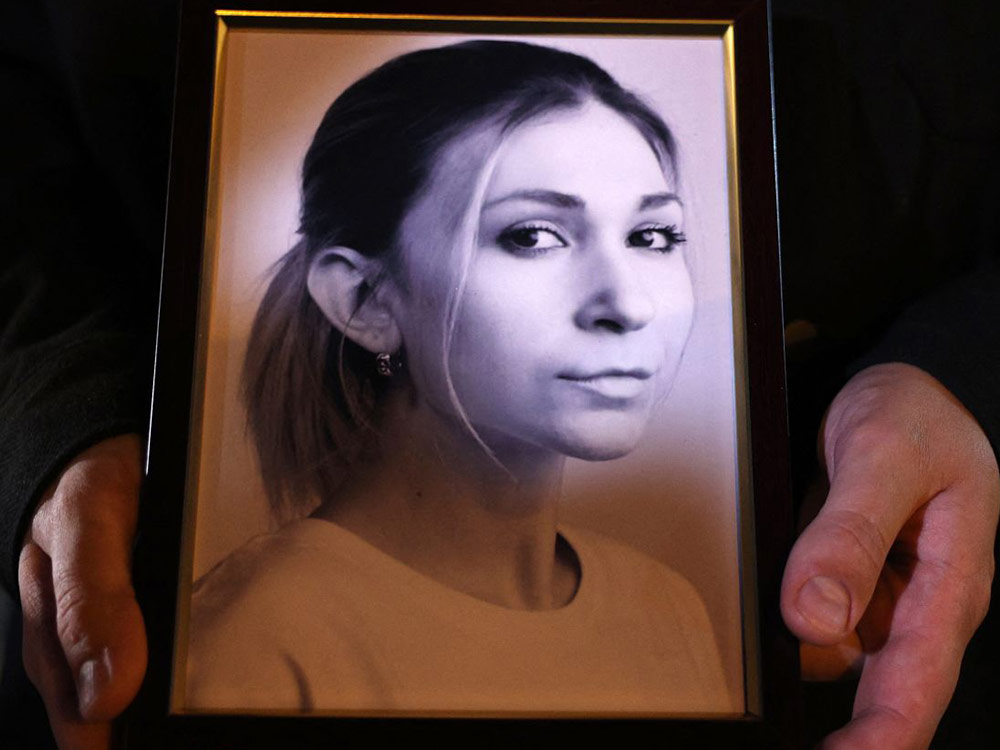
Yet, despite the overwhelming risks, civilian journalists remain vital to the fabric of global accountability.
Their work provides firsthand accounts that expose the truth and ensure that the stories of those affected by conflict are not lost. Through their reporting, they challenge the oppressive narratives of war, often at the cost of their own lives.
The targeting of journalists in warzones is a direct attack on free expression, and their resilience in the face of these dangers underscores the indispensable role they play in fighting for justice, transparency, and the rights of those silenced by conflict.
#Ukraine : La journaliste Victoria Roshchyna est morte le 19 septembre en #Russie, selon une lettre envoyée par le ministère de la Défense à son père. RSF présente ses condoléances à sa famille et exige une enquête sur les circonstances de sa mort. https://t.co/dWm0z6bkXW pic.twitter.com/tfx4wy7Ktl
— RSF (@RSF_inter) October 10, 2024














































































































































































































































































