Few franchises in gaming history have endured, evolved, and reinvented themselves as successfully as Resident Evil.
Since its terrifying debut in 1996, Capcom’s survival horror juggernaut has shaped how fear is designed, paced, and delivered in interactive form. From fixed-camera claustrophobia and punishing ammo scarcity to cinematic action and first-person immersion, Resident Evil didn’t simply follow trends: it created them.
Now, nearly three decades later, the franchise stands on the edge of one of its most ambitious chapters yet.
Resident Evil Requiem, officially recognized as Resident Evil 9, was unveiled at Summer Game Fest 2025 and instantly became one of the most talked-about reveals of the year. Scheduled for release on February 27, 2026, for PS5, Xbox Series X/S, PC, and Nintendo Switch 2, the game has already surpassed one million wishlists worldwide.
Its reveal trailer captivated audiences with oppressive atmosphere, stunning next-gen visuals enhanced by ray tracing, and a tone that felt unmistakably, and unapologetically, Resident Evil.
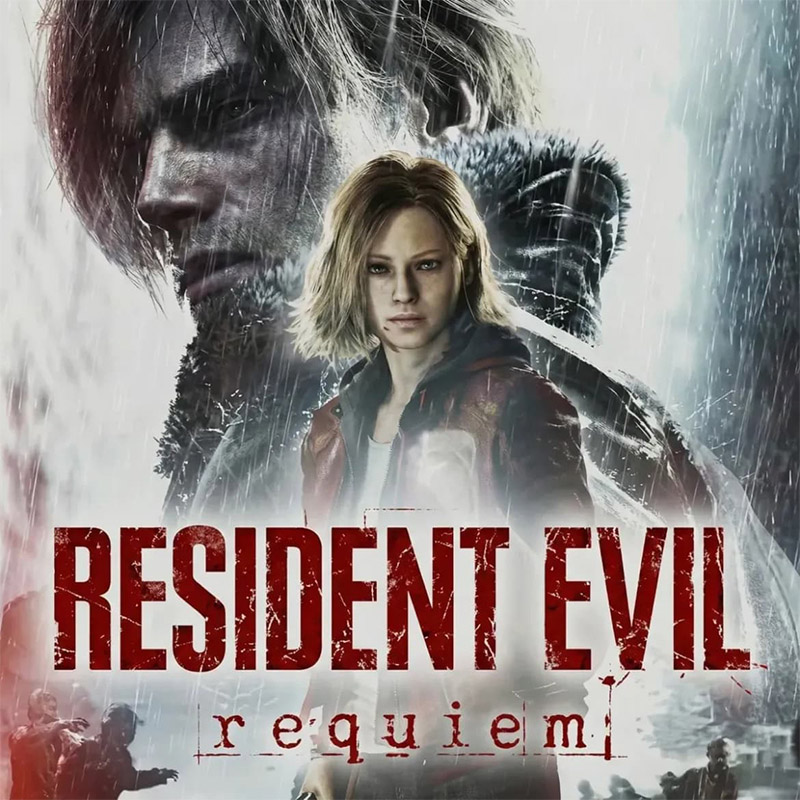
Early impressions centered on Grace Ashcroft, a new protagonist introduced as an FBI analyst investigating a mysterious outbreak tied to the long-shadowed Raccoon City disaster.
For many fans, that alone was exciting. A fresh face, untethered from decades of monster-slaying experience, promised a return to vulnerability and fear: the emotional core that defined the series in its earliest years.
The idea was clear: bring horror back to the forefront.
Behind the scenes, however, Resident Evil Requiem almost took a very different path.
Capcom initially experimented with an open-world structure layered with online and shared-world mechanics, flirting with a vision of survival horror blended with MMO-lite systems. The concept immediately raised concerns among longtime fans. The fear was that isolation, deliberate pacing, and carefully crafted tension, the very DNA of Resident Evil, would be diluted by scale, constant connectivity, and player-driven freedom.
The backlash was swift, vocal, and impossible to ignore.
To Capcom’s credit, the studio responded decisively.
Open-world ambitions were scaled back, multiplayer elements were scrapped entirely, and development refocused on a tightly controlled, single-player experience. The design philosophy realigned around vulnerability, atmosphere, and sustained dread. Rather than overwhelming players with options, Resident Evil Requiem aims to suffocate them with tension, and that return to form has been widely praised.
Just as fans began to settle into the idea of a purely Grace-driven survival horror experience, Capcom dropped another bombshell.
Whether it was a response to overwhelming demand or a carefully timed reveal, the result was the same: Leon S. Kennedy is back.
The formal announcement sent shockwaves through the community.
After months of statements suggesting Leon was "not suited for horror anymore," and that someone managed to find a photo of the updated poster of Requiem with Leon in it, his official return felt both unexpected and electrifying. One of the franchise’s most iconic characters, long seen as too experienced, too capable, too unshakeable, was stepping back into the spotlight.
And with Leon’s return, Resident Evil Requiem revealed its true ambition: not just to revive the fear of the past, but to confront it head-on, through the eyes of both the vulnerable and the unbreakable.
At the center of this experience is a dual-protagonist structure built around contrast.
On one side is Grace Ashcroft, a new character whose story in the game is deeply personal: her mother, Alyssa Ashcroft, an investigative reporter and survivor of Raccoon City.
She was murdered at the Wrenwood Hotel, the very location Grace is sent to investigate.

Grace is not a soldier, not a hardened survivor, and certainly not a superhero.
Her gameplay leans heavily into classic survival horror, with limited resources, moments of helplessness, and stretches where fear outweighs firepower.
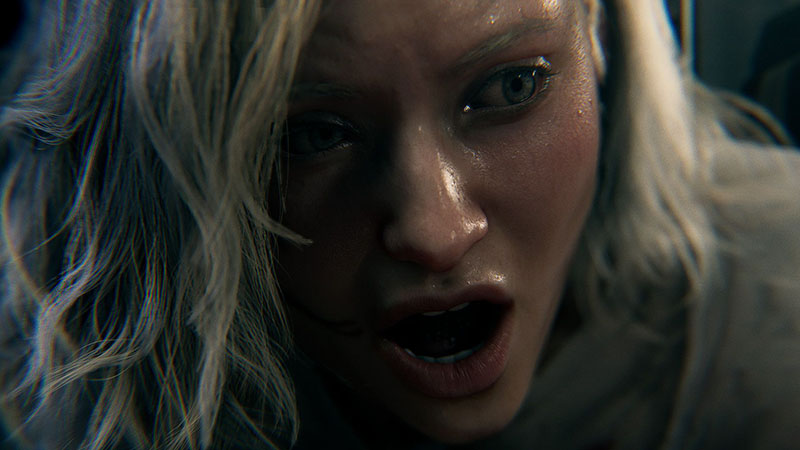
And Leon's return is to balance that.
For months, Capcom downplayed the idea of Leon’s involvement, simply because the character has evolved far from bring a rookie cop in Resident Evil 2 into one of gaming’s most iconic action heroes. Leon has parried chainsaw attacks with a knife, fought bio-engineered monstrosities head-on, dismantled cult leaders with rocket launchers, and survived missions that would break ordinary humans.
Leon also had successfully rescued the President’s daughter in Resident Evil 4 (and its remake) after being personally entrusted with the mission by the President himself.
In other words, fear, or at least the conventional fear, no longer defines him.
And yet, at The Game Awards 2025, Capcom revealed what many fans had been hoping for all along, Leon S. Kennedy is back, and not as a cameo.
In Resident Evil Requiem, Leon serves as the game’s second protagonist, with roughly equal playtime to Grace.
Rather than forcing him into a horror mold that no longer fits, Capcom leaned into what Leon represents now: experience, confidence, and raw capability.
His sections are deliberately action-heavy, inspired by Resident Evil 4, complete with martial arts, melee combat, chainsaws, and high-adrenaline encounters.
Where Grace cowers, Leon charges forward.
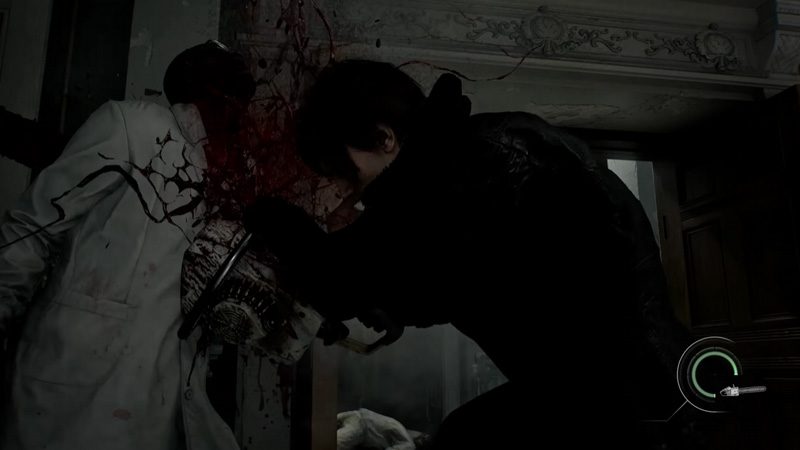
This contrast is not accidental.
Director Akifumi Nakanishi has described the structure as intentionally rhythmic, terror followed by release, vulnerability followed by power.
After enduring Grace's suffocating horror sequences, stepping into Leon’s shoes feels like exhaling after holding your breath too long. Then, just as players settle into that sense of control, the game pulls them back into fear through Grace once more. It’s a design philosophy likened by the developers to jumping into a cold bath after a hot sauna: jarring, refreshing, and unforgettable.
Leon's presence also carries significant narrative weight.
Requiem marks his first return to Raccoon City since Resident Evil 2, revisiting the place where everything began.
Now older, more seasoned, and visibly worn by decades of bioterror conflicts, Leon is portrayed not just as a capable fighter, but as a man carrying the psychological weight of a world that never truly healed.
Capcom has leaned into this maturity, shaping him as an "ikeoji", a term to describe a cool, attractive older man whose dry wit, subtle sarcasm, and quiet resolve define his personality as much as his combat skills.
If following the main timeline of Resident Evil, Leon's appearance in Requiem marks his first ever return to the franchise after Resident Evil 6.
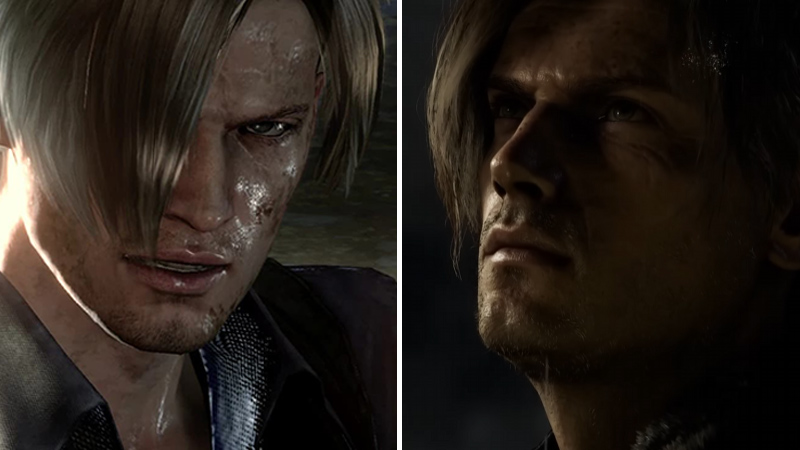
Despite his confidence, the developers have emphasized that this may push Leon to his limits more than ever before.
The threats he faces are not just physical, but emotional, forcing him to confront the past and question what endless sacrifice has cost him. In that sense, Leon’s fear is no longer about jump scares or helplessness. Instead, it’s existential.
Visually and mechanically, Leon’s segments are designed to feel liberating. New actions build on the Resident Evil 4 foundation, reinforcing his status as a veteran. He even gets a personalized Porsche Cayenne Turbo GT through an official collaboration with Porsche, a symbol of his distinct identity within the game’s world.
What Resident Evil Requiem ultimately represents is balance.
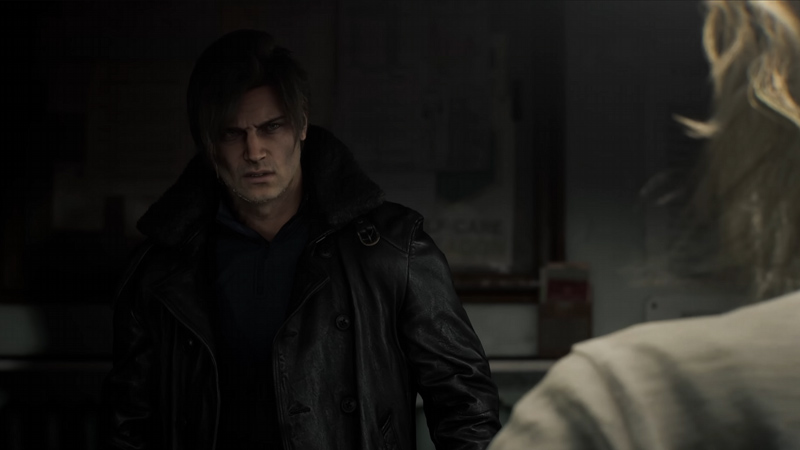
Capcom has found a way to honor the franchise’s survival horror legacy without abandoning the action-forward evolution that defined its later years. By splitting the experience between Grace Ashcroft’s raw terror and Leon S. Kennedy’s controlled chaos, the game embraces both sides of Resident Evil’s identity rather than choosing one over the other.
Leon’s return is more than fan service. It’s a statement that Resident Evil can still evolve without forgetting who its icons are, or why they mattered in the first place.
In Requiem, Leon isn’t there to be scared. He’s there to remind players what it means to stand your ground when the world refuses to stop ending. His presence represents resilience forged through decades of catastrophe, a living reminder of how far the series has come.
At the same time, Leon is undeniably a catalyst. His return reignites long-term fans, draws in lapsed players, and elevates the game’s cultural gravity in a way few characters can. He isn’t just a protagonist. He’s a symbol of Resident Evil’s legacy, and his presence alone gives Requiem a level of momentum and traction that only an icon can deliver.






















































































































































































































































































