
In its quest to get more revenue, Snap, Inc., creator of Snapchat, is slowly becoming a lot like its competitors by targeting users with ads using sophisticated data.
The company has made a deal with Oracle's Datalogix to help advertisers use data from offline purchases. This way, they can target consumers will more relevant ads.
The strategy marks the first time Snapchat is allowing ad targeting using third-party data. Similar to competitors like Facebook, Twitter and Google, they have long offered offline data-targeting options through their own Datalogix partnership.
This is also seen as a strategy by Snapchat to quickly race its digital advertising infrastructure.
Previously, the social messaging app has partnered with more than a dozen advertising measurement companies. This was after it has been accused of moving slowly to incorporate advertising technology and targeting options.
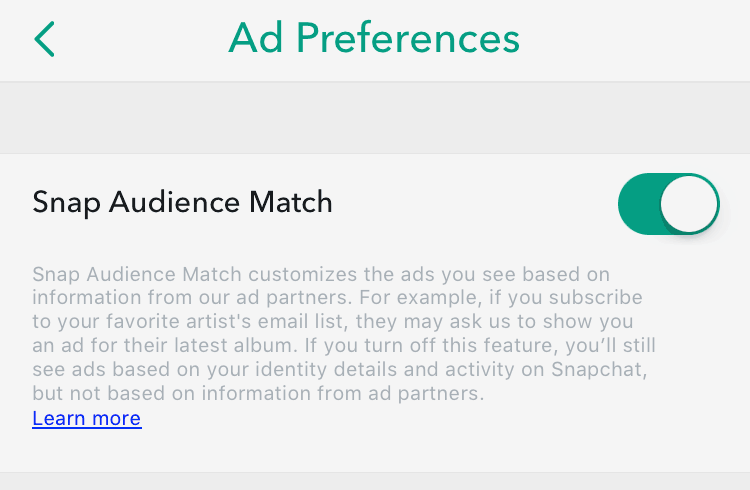
And it was in September 2016 that Snapchat began allowing advertisers to buy ads in a more automated way using API. The Snap Audience Match allows advertisers to use their own existing lists of email addresses and mobile device IDs for ad targeting purposes.
The strategy by Snap, Inc. is a total opposite to what CEO and founder Evan Spiegel said in June 2015. At that time, he said that: "I got an ad this morning for something I was thinking about buying yesterday, and it's really annoying,"
"We care about not being creepy. That’s something that's really important to us."
However, Snapchat's approach is rather different. When Facebook, Google and Twitter use personalized ads that are "invasive," Snapchat positioned its ads as non-personalized for things that don't need invasive targeting. This is its workaround to the subject.
,
Snapchat is also encouraging its advertisers to bundle their video ads. With a new ad package, Snapchat is allowing advertisers to run consecutive video ads with different creative within its Discover section, in order to tell one story.
Called the sequenced messaging packages, they are available to all advertisers directly through Snapchat, and not via its ads API.
The ads, for example, can crop a 30-seconds video into three 10-seconds assets. Advertisers can buy three back-to-back ads in order to tell one story in sequential. This way, the ads can be unique in regards to storytelling.
This is quite different that typical ad execution that appears on other social media platforms.
By having the ability to split ads to up to three different segments and serve them as one to then retarget those users with another segment, advertisers can continue to tell the story. This allows them to create a better engagement with users.














































































































































































































































































