Young and a doctoral student at one of the most prestigious universities in the world, Salma al-Shehab has a bright future ahead of her.
That, until a Saudi Arabian court sentenced Salma al-Shehab to 34 years in prison for spreading "rumors," and for following and retweeting dissidents and activists.
It all happened when al-Shehab, a student at Leeds University, returned home to the kingdom for a holiday to meet her family.
Al-Shehab was detained in January 2021, days before she planned to return to the United Kingdom.
Al-Shehab told judges she had been put in prison for over 285 days before her case was even referred to court.
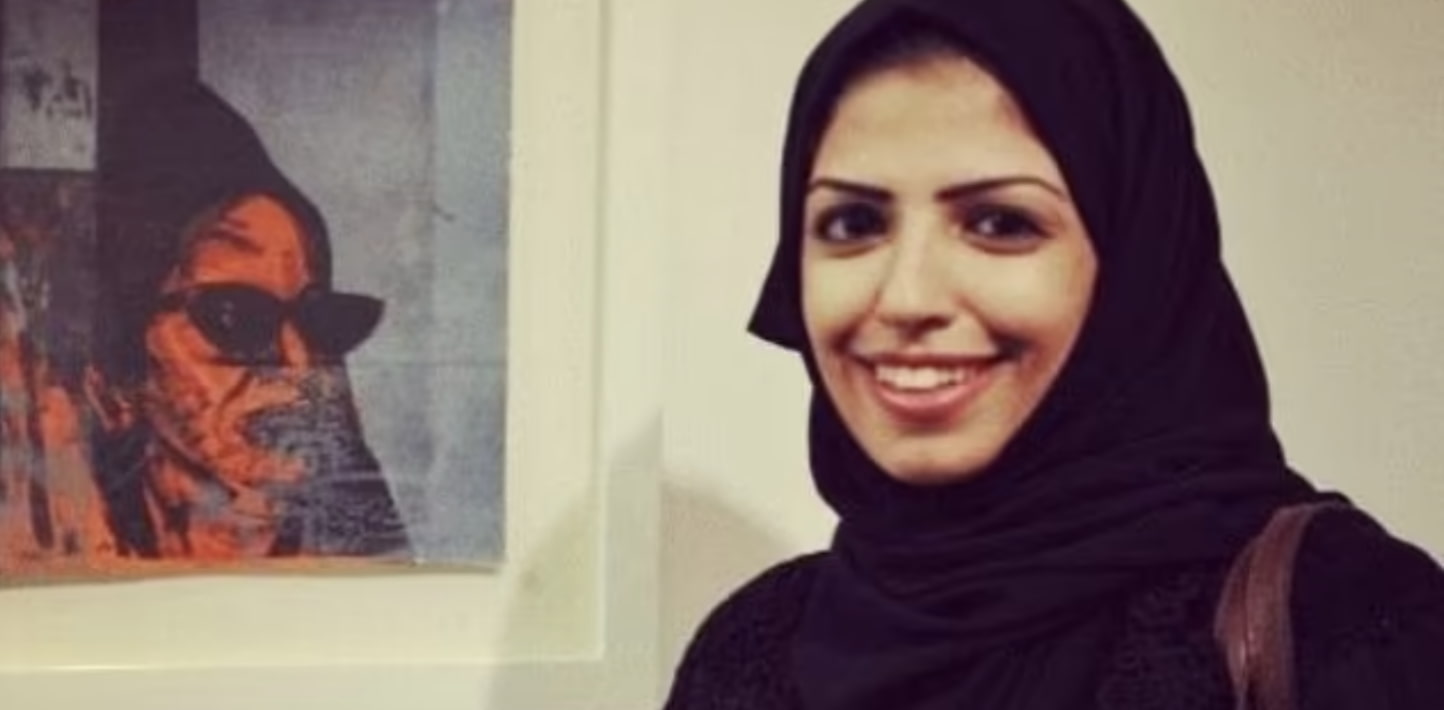
Salma al-Shehab, 34-year-old woman, and a mother of two young children, was initially sentenced to three years in prison for the "crime" she was accused of doing.
But appeals court handed down the new sentence, which is 34 years in prison, followed by a 34-year travel ban.
This happened when a public prosecutor asked the court to consider other alleged crimes.
According to a translation of the court records, the new charges include the allegation that al-Shehab was "assisting those who seek to cause public unrest and destabilize civil and national security by following their Twitter accounts” and by re-tweeting their tweets.
In more details, Salma al-Shehab retweeted tweets by Saudi Arabian dissidents living in exile, which called for the release of political prisoners in the kingdom.
She also seemed to support the case of Loujain al-Hathloul, a prominent Saudi feminist activist who was previously imprisoned, is alleged to have been tortured for supporting driving rights for women, and is now living under a travel ban.
It's also said that al-Shehab is a member of Saudi Arabia's Shiite Muslim minority, which has long complained of systematic discrimination in the Sunni-ruled kingdom.
However, it's worth noting that al-Shehab is not an activist.
She isn't leading any opposition nor being vocal in Saudi Arabia, or in the UK.
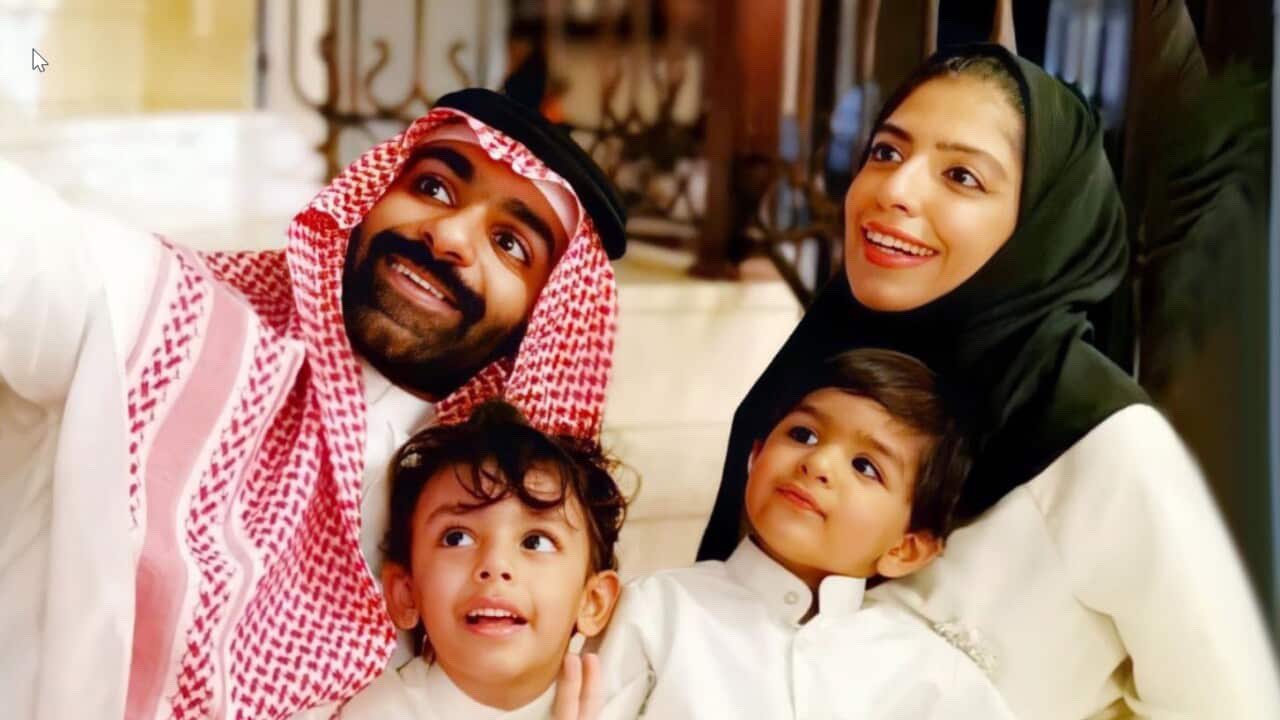
So here, 34 years in prison is a decision that has drawn growing global condemnation.
Many people around the world consider the sentence against Salma al-Shehab, a mother of two and a researcher at Leeds University in Britain, shocking, even by Saudi Arabia's standards of justice.
The woman, a well-educated student and an avid reader, only returned home to the kingdom to see her two children and her beloved husband, with plans to bring them to the UK with her.
But officials of the government called her for questioning, and eventually arrested her.
She was then held in a solitary confinement.
She had sought during her trial to privately tell the judge something about how she had been handled, which she did not want to state in front of her father. However, al-Shehab was not permitted to communicate the message to the judge.
During her appeal, al-Shehab said the harsh judgement was a turmoil, and it is leading to the "destruction of me, my family, my future, and the future of my children."
Leeds University confirmed that al-Shehab was in her final year of doctoral studies at the medical school.
“We are deeply concerned to learn of this recent development in Salma’s case and we are seeking advice on whether there is anything we can do to support her," the university said.
Salma al-Shehab:
We are deeply concerned to learn of the recent development in Salma’s case and are seeking advice on whether there is anything we can do to support her.
Our thoughts remain with Salma, her family, and her friends among our close-knit community.— University of Leeds (@UniversityLeeds) August 17, 2022
She only described herself on Instagram, as a dental hygienist, medical educator, PhD student at Leeds University and lecturer at Princess Nourah bint Abdulrahman University, and as a wife and a mother to her sons, Noah and Adam.
On Twitter, her many tweets only include things about COVID-19, and photos of her children.
Khalid Aljabri, a Saudi Arabian who lives in exile and whose sister and brother are being held in the kingdom, said the al-Shehab case is a proof that Saudi Arabia’s view that dissent equates to terrorism.
"Salma’s draconian sentencing in a terrorism court over peaceful tweets is the latest manifestation of MBS’s ruthless repression machine," he said, referring to the crown prince. "Just like [journalist Jamal] Khashoggi’s assassination, her sentencing is intended to send shock waves inside and outside the kingdom – dare to criticise MBS and you will end up dismembered or in Saudi dungeons."
News agencies from the U.S. reported that at the very least, President Joe Biden needs to speak out forcefully, and demand that al-Shehab to be released, and allowed to return to her husband and two sons, and return to the UK, to resume her studies.
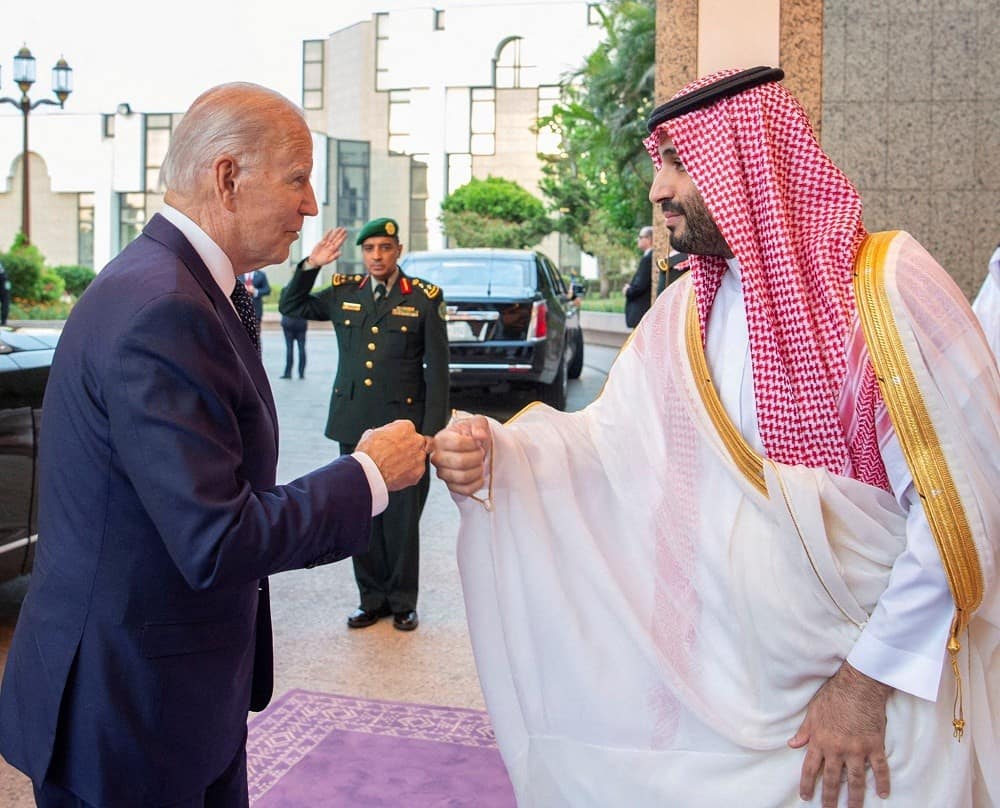
This is because the sentencing of al-Shehab by Saudi’s special terrorist court, was only handed down weeks after Biden’s visit to Saudi Arabia, which human rights activists had warned could embolden the kingdom to escalate its crackdown on dissidents and other pro-democracy activists.
As for Twitter, the company declined to comment, and didn't say anything if its stance is influenced by Saudi Arabia because after all, Twitter is partly owned by Prince Alwaleed bin Talal, one of Twitter's biggest investors, who owns more than 5% of Twitter through his investment company, Kingdom Holdings.
This case here marks an example of how Mohammed bin Salman has targeted Twitter users in his campaign of repression, while simultaneously controlling a major indirect stake in the U.S. social media company through Saudi’s sovereign wealth fund, the Public Investment Fund (PIF).
The ruling also comes amid Mohammed bin Salman's crackdown on dissent, even when his rule granted women the right to drive and other new freedoms in the conservative Islamic nation.
Since rising to power in 2017, the Crown Prince has accelerated efforts to diversify the kingdom's economy away from oil with massive tourism projects and various investments, including estates and skyscrapers, as well as pouring money into technology companies. His big ambitions however, is also faced with criticism over his arrests of those who fail to fall in line.
Not only activists or journalists, but also princes and businessmen.














































































































































































































































































