It's about time, if it's not too long overdue.
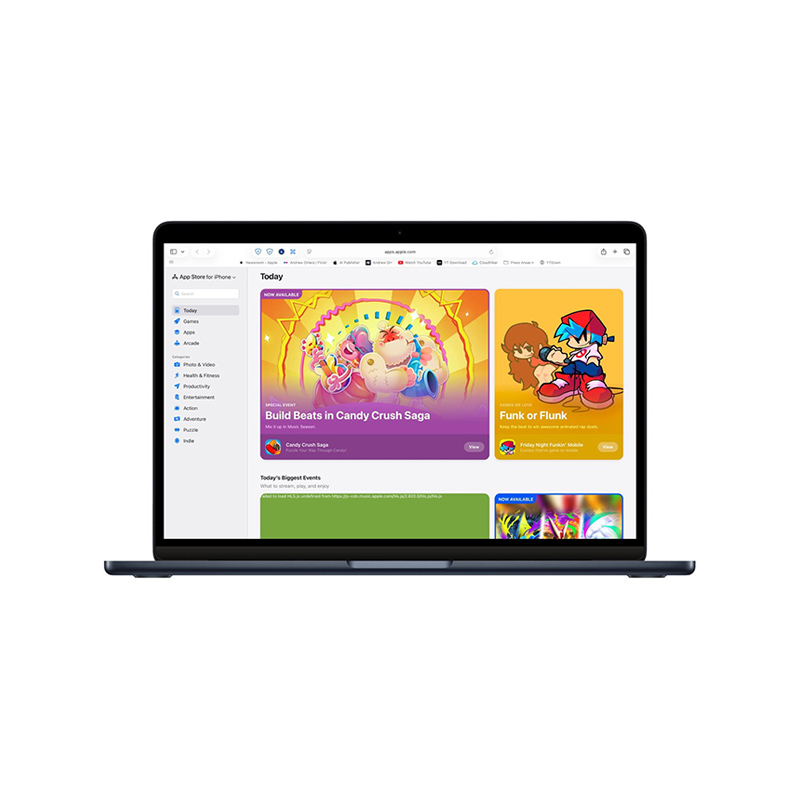
The long-rumored moment has arrived: Apple has quietly launched a full desktop web version of its App Store, accessible at apps.apple.com, giving users a way to browse, search and explore apps across iPhone, iPad, Mac, Vision Pro, Apple Watch and Apple TV, right from a browser.
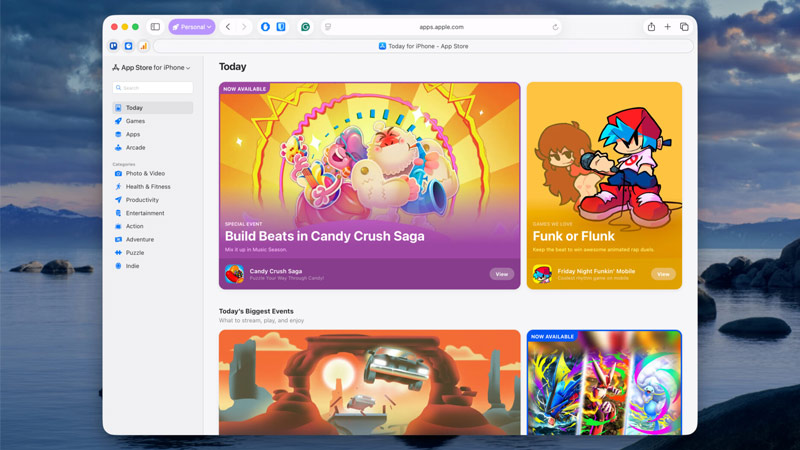
For years, the App Store’s web presence was little more than an informational landing page or a redirect. But now, it features a dropdown menu to switch between device platforms, a familiar Today tab with editorial picks and curated app lists, category filters such as productivity, entertainment and adventure, and full-featured product pages complete with screenshots, descriptions and reviews.
That said, this isn’t quite a full transition to browser-based app purchasing.
While browsing and sharing links works seamlessly, users still cannot download or install apps directly through the web interface.
Selecting an app will either share it or open it in the native App Store on users' own device.
But why now?
For years, Apple's web domain at apps.apple.com served only as a collection of individual app pages. There was no central hub, no way to browse categories or curated content, and no real search interface. There was no unified "storefront" in the browser, whatsoever. Yet, Apple is already pleased, and that it's still competitive against the vast Google Play Store.
The move is a result of several factors that appear to be at play.
First, discoverability: giving app developers a searchable, shareable web URL expands the reach of their listings beyond in-device ecosystems. For instance, links can now be shared via social media, search engines can index listings, and even users on non-Apple desktops can inspect the catalog.
Second, regulatory pressure: with growing scrutiny over how Apple controls its app distribution ecosystem (especially in markets like the EU), a web-accessible storefront signals a willingness to evolve, while still preserving the company’s core controls.
What this means, users can finally have a convenient way to explore the App Store experience on a bigger screen, regardless of platform. Users can browse Mac-only apps, check Vision Pro games, or examine Watch apps without touching a device.
Developers benefit from increased visibility: each app page is now more searchable, easier to link to, and potentially opens doors to more organic discovery.
As for Apple, in its business perspective, it can still maintain its profitable business model because all downloads still go through the native store, while modernizing the “front door” to its app ecosystem.
It’s a tactical step forward: opening one window to the world, while keeping the door to its “walled garden” firmly under its watch.
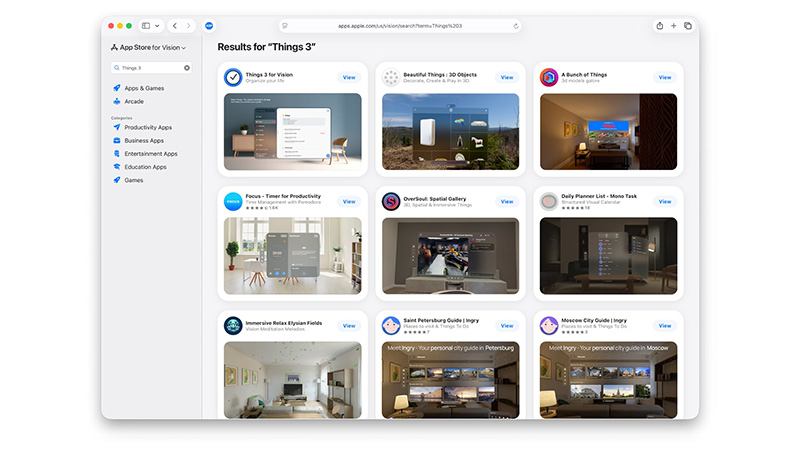
At this time at least, the Apple's App Store on the web may not yet be a “store you can buy from in a browser.” But still, it's a major evolution of how the company exposes its app ecosystem.
It bridges the gap between device-specific experiences and the broader web, offering users and developers a fresh way to interact, share and discover.
Ultimately, the browsing experience on the web now more closely mirrors the native App Store app.
While the key limitation remains, the real test will be whether this web capability becomes a meaningful driver of app discovery and ecosystem growth.






















































































































































































































































































