
Mozilla has been a quiet yet persistent force in the technology world for more than two decades.
Its story begins in 2004 with the launch of Firefox, a browser born not just out of technical ambition, but out of defiance. At the time, Microsoft’s Internet Explorer dominated the market, controlling over 90% of web browsing. With little competition, the browser stagnated, and that it experienced slow updates, security vulnerabilities, and a lack of innovation became its norm.
Mozilla, a non-profit organization, challenged that monopoly by offering Firefox: faster, more secure, open-source, and, most importantly, independent. From its inception, Firefox embodied a philosophy that technology should serve the people, not shareholders, billionaires, or monopolistic corporations.
Fast forward to today, and that mission is more relevant than ever.
Most popular technology products, which range from pretty much everything from social media platforms to mobile apps, are controlled by massive corporations whose primary objective is profit. Personal data has become the currency of the modern internet: search history, location, online habits, they are packaged, bought, and sold to advertisers and corporations, often without users' explicit awareness.
The default behavior in the digital world has become passive acceptance, allowing Big Tech to shape everything from what information you see to what products you’re offered. In other words, if you don’t push back, you’re being used.
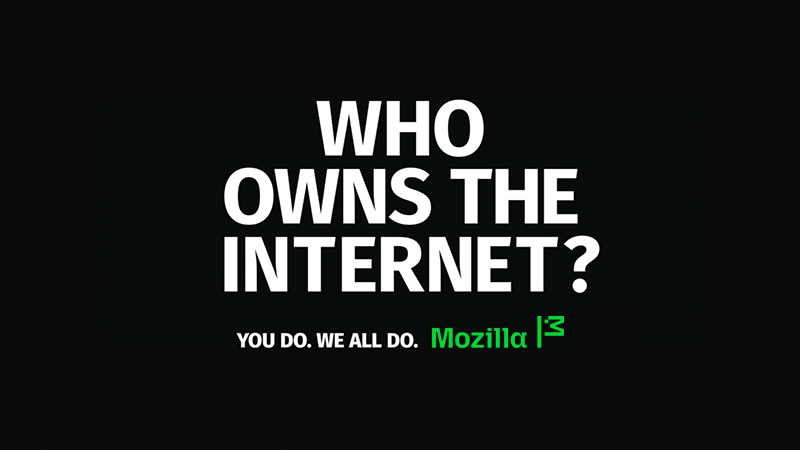
Mozilla seeks to make people aware of this reality.
This is where Mozilla encourages small acts of daily rebellion among its users. The idea is:
- Defiance against centralization.
- Defiance against profit over people.
- Defiance against the status quo.
The "soft rebelion" moment is to reinforce the idea that the power of technology lies in the hands of the people. By participating, users are reminded that their daily decisions matter, that they can push back against a system that commoditizes personal data, and that change often starts with small, intentional acts.
In an era dominated by profit-driven technology and centralized control, Mozilla wants users to reclaim agency over their digital lives, to understand that their data is valuable, and to engage in acts of defiance against those who are profiting from it.
One small act it tries to push, is asking people to recognize their role in shaping the digital landscape, and share their own acts of daily defiance using #dailydefiance and tag @firefox on social channels.
Whether it’s using privacy tools, supporting open-source communities, or questioning the systems that monetize their attention, each act is a step toward putting power back in the hands of the many, not just the elite.
These moments of soft rebellion are what help put power in the hands of the people, the many, and not just the elite.
The current tech ecosystem is broken. That's why we're doubling down on our promise to build a tech future that's powered by people, not profit. pic.twitter.com/1X1Wvy3Met
— Mozilla (@mozilla) August 14, 2025
Mozilla tries to create tools that emphasize privacy, transparency and user empowerment.
Firefox itself has features like tracking protection, container tabs and strict cookie controls. It does not rely on Chromium, the engine that powers many other major browsers. Instead, Firefox runs on Gecko, a fully independent, open-source engine.
However, the story isn’t entirely black and white.
Mozilla itself relies on funding from major technology companies, most notably Google, which contributes a significant portion of its revenue through default search engine agreements. Without this financial support, Mozilla could not maintain its operations, develop new products, or keep Firefox competitive.
This dependency highlights a paradox: while Mozilla defies Big Tech in principles, it still operates within the ecosystem it critiques. It’s a reminder that challenging the status quo often requires strategic compromise and that even institutions built to protect users must navigate financial realities.
Despite these complexities, Mozilla’s commitment to defiance continues. Firefox has never been backed by a billionaire or some tech giants. This independence allows Mozilla to innovate on its own terms, prioritizing privacy and user control over shareholder profits. The organization’s structure and product design reflect its belief that technology should empower the many, not enrich the few.
In other words, Mozilla may operate within the financial realities of Big Tech, but its mission remains clear: to remind the world that people, not algorithms, not corporations, should have control over the technology they use.