'Mistral 3' Family Of Models Introduced, With The Flagship Model Rockets To the Top Of AI Benchmarks
In the past few years, the world of AI has felt more and more like a high-stakes arms race.

In the past few years, the world of AI has felt more and more like a high-stakes arms race.
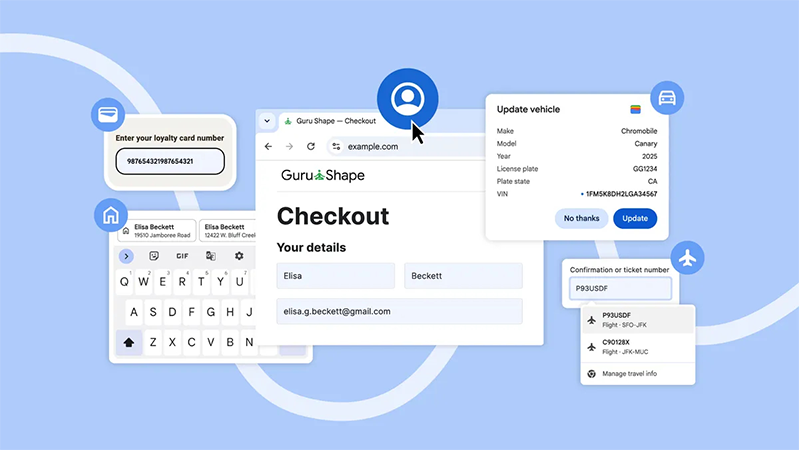
Google is rolling out a wide set of improvements to Chrome's autofill system, and on the surface, the changes promises a lot.
Bringing complex graphics to web browsers has always required substantial engineering effort, and for more than a decade, most of that work has been handled by WebGL.

During the brutal months, the battleground has quietly shifted from text/image to video.

At this time around, AI-generated visuals often outshine reality: what began as text has spilled into other domains, reshaping how people imagine moving stories.
Large-language models (LLMs) first became popular the moment the public began to realize the technology's potential.

Large-language models (LLMs) have pushed the boundaries of what AI can do, And soon, people began to realize that those powers could reshape how we browse the web.

Large language models (LLMs) are trained on staggering amounts of text, sourcing from books, research papers, news articles, code, conversations, and more.

When Android 16 was first introduced, it made a big shift for the Android ecosystem. Not only in what's new, but in how updates will work going forward.

Opera’s latest upgrade marks one of the most significant shifts in the browser industry in years.