
Drug cartels are organized criminal syndicates that control the production, trafficking, and distribution of illegal drugs.
Most of the most prominent of all cartels are based in Latin America, and some of the most powerful of these cartels reside in Mexico.
With businesses and consumers coming not only within Mexico, but also from the U.S. and other countries, cartels with their international reach sit on significant resources, and that they're are also involved in drug trafficking, human smuggling, extortion, and kidnapping. Known for their brutal tactics, assassination is nothing new.
Because of that, they're known for being dangerous.
Their notoriety is unquestionable.
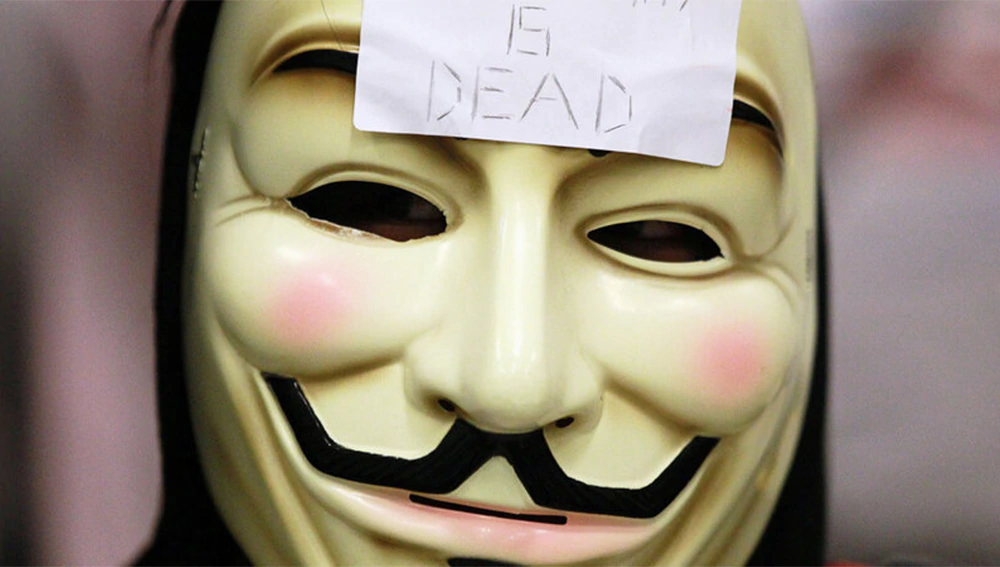
And hackers are trying to toy with them, to only learn things the hard way.
The Anonymous is a decentralized international hacktivist collective.
Known for its various cyberattacks against several governments, institutions, and corporations, the group often targets those they view as corrupt or unjust.
And at this time, the hackers collaborated to expose Mexico's bloody Los Zetas drug cartel, through a project dubbed the "#OpCartel".
Two hacker members of the project said that they wanted to expose members of the murderous cartel, because the hackers know that identified members can be arrested by the police, or killed by rivals.
"For the time being, we won't post photos or the names [...] of the taxi drivers, the journalists or the newspapers nor of the police officers, but if needed, we will publish them including their addresses, to see if by doing so the government will arrest them," the spokesperson for the Anonymius said.
The Anonymous IberoAmerica website said that it plans to form "special task force" by invitation only to find out and publish information about cartel collaborators.
The website even included a series of security steps, such as urging members to send messages through a proxy server, and never to identify themselves as part of Anonymous.
It's also said that the project was made as a reprisal for the kidnapping of an unidentified Anonymous member in the coastal city of Veracruz, an oil state on the Gulf of Mexico with a major port of the same name, during "Operation Paperstorm."
The move was then followed by the Anonymous defacing the website of former Tabasco state prosecutor Gustavo Rosario Torres, accused by anti-crime activists three years ago of discussing a $200,000 cocaine deal with a deputy on audio tape.
The website was defaced with a Halloween background, and showing the group's signature.
On top, a message reads: "Gustavo Rosario is Zeta."
Then suddenly and somehow, the Zetas reportedly sniffed this attempt, and managed to find some of the hackers' identities.
The leak is said to come from a security company, that claimed that the cartel was hiring its own security experts to track the hackers down - which could have resulted in "abduction, injury and death" for anyone it traced.
"Loss of life will be a certain consequence if Anonymous releases the identities of individuals cooperating with cartels. The validity of the information Anonymous has threatened to reveal is uncertain, as it might not have been vetted. This could pose an indiscriminate danger to individuals mentioned in whatever Anonymous decides to release."
It didn't take long until the Operation Cartel fell into disarray.
Some began retreating, trying to save themselves and not confront the cartels.
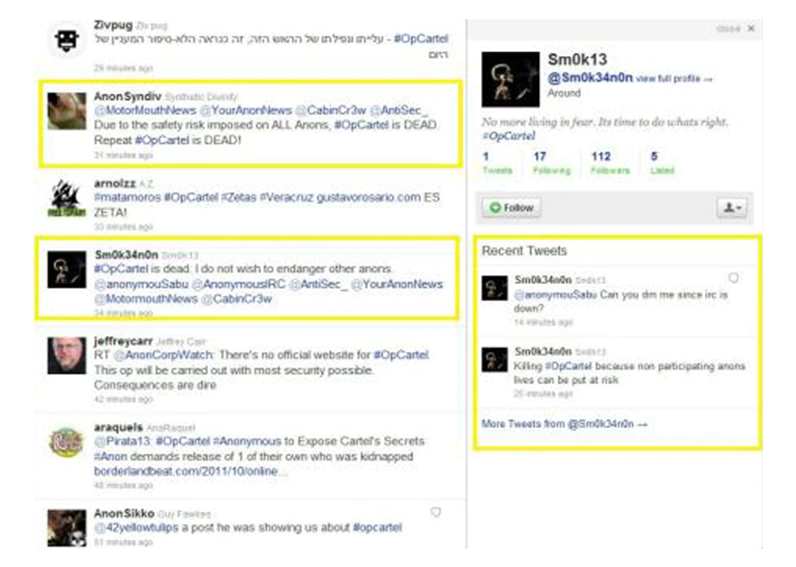
Many of the Operation Cartel indicated that they are stopping their scheme to identify collaborators and members because they don't want anyone to be killed as a result.
Los Zetas was founded by former elite soldiers from the Mexican Army in the late 1990s, and that it conducts operations that include drug trafficking, human smuggling, extortion, and kidnapping.
They have a significant presence in northeastern Mexico and along the Gulf Coast.
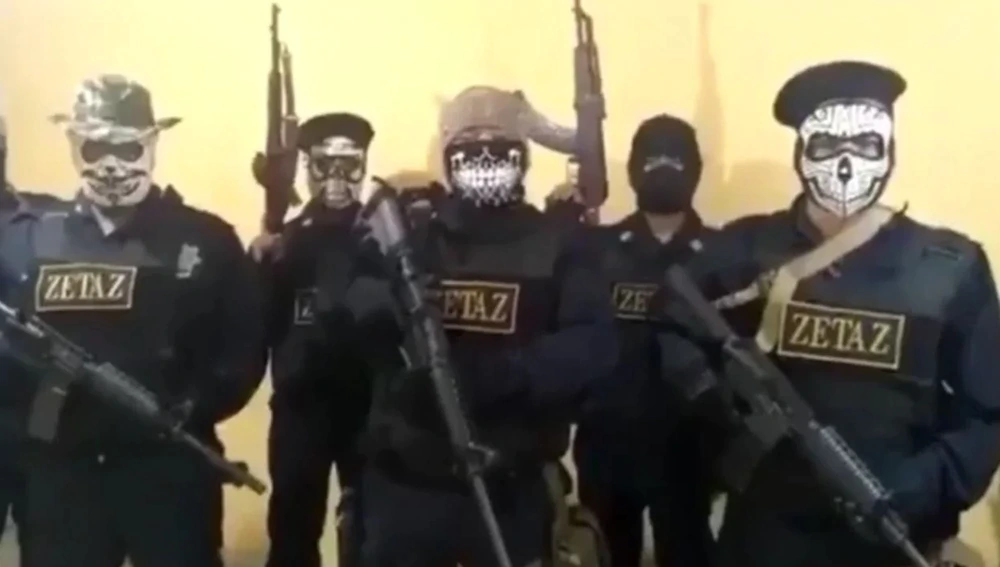
The Zetas have shown that they can be ruthless if information about them is posted online.
Back in September, for example, a woman was found decapitated, and that there was a handwritten sign saying she was killed in retaliation for postings on a social networking site. The message was signed with a "Z," the Zetas' trademark.
Earlier that month, the bodies of a man and a woman were found hanging from an overpass in Nuevo Laredo with a message threatening, "this is what will happen" to troublemaking internet users.
Then, on the next month, the Zetas left ominous threats mentioning two websites on signs beside mutilated bodies dangling from a bridge in northern Mexico.
The message was clear: Post something we don’t like online and you’re next. “I am about to get you,” one sign said.
And later, on November 4th, the Los Zetas released their kidnapped victim, the alleged Anonymous member, with an online warning that they would kill ten innocent people for each name that Anonymous might subsequently publicize.
The Anonymous has taken credit for disrupting a number of prominent website from governments, including the Mexican government, as well as from companies like PayPal, Master Card, Visa, the Church of Scientology, and lots more.
But cartels are not some ordinary criminals, and that the Los Zetas were once Mexico's largest and most expansive drug cartel in terms of geographical presence.
The Anonymous only realized it a bit late, but not too late.
Anonymous called off its operation.
"Are we afraid? Clearly so. Do we fear for our lives? Obviously. Notwithstanding that, we think it is time to say 'enough,'" according to a statement from the purported organizers posted on the website Anonymous IberoAmerica.
Revealing Zetas members, is a different matter than flooding a state website. And the Zetas have a history of making their online critics pay.
This confrontation reveals the contours of an overlooked aspect of cyberwar, namely a conflict between two shadowy, non-state groups with differing motives and agendas that have the capacity to go online and create significant instability and disorder in the society of a nation.
But hackers and cartels aren't on the same league, and this time, the hackers are backing down, because their lives are worth more doxxing people.