Cryptocurrencies have become the method of transaction for many people. Around the world, people have been using the digital coins for a lot of things, and those people include Iranians.
Binance is the cryptocurrency exchange giant, and a blockchain data showed that it has processed Iranian transactions with a value of $8 billion since 2018, despite U.S. sanctions intended to cut Iran off from the global financial system.
Almost all the funds, which account to some $7.8 billion, were made between Binance and Iran's largest crypto exchange, Nobitex, according to a review of data from leading U.S. blockchain researcher Chainalysis.
According to the report, $5 billion in cryptocurrencies were moved between Iranian exhanges and Binance through layers of intermediaries, meaning that the owners attempted to evade sanctions, and/or an indicator of money laundering.
Nobitex itself advises its 4 million clients to avoid "the direct transfer" of cryptocurrency between Iranian and foreign cryptocurrency platforms to "maintain security," and has encouraged clients to use Tron to trade anonymously without "endangering assets due to sanctions."
Three-quarters of the Iranian funds that passed through Binance were indeed Tron, which offers users a way to hide their real identities, and around $3 billion in cryptocurrencies were moved directly between exchanges in Iran with Binance since 2018.
In August 2021, Binance announced that customers would no longer be able to open accounts and use its services without identification.
But still, the exchange has processed almost $1.05 billion in trades directly from Nobitex and other Iranian exchanges until November 2022.
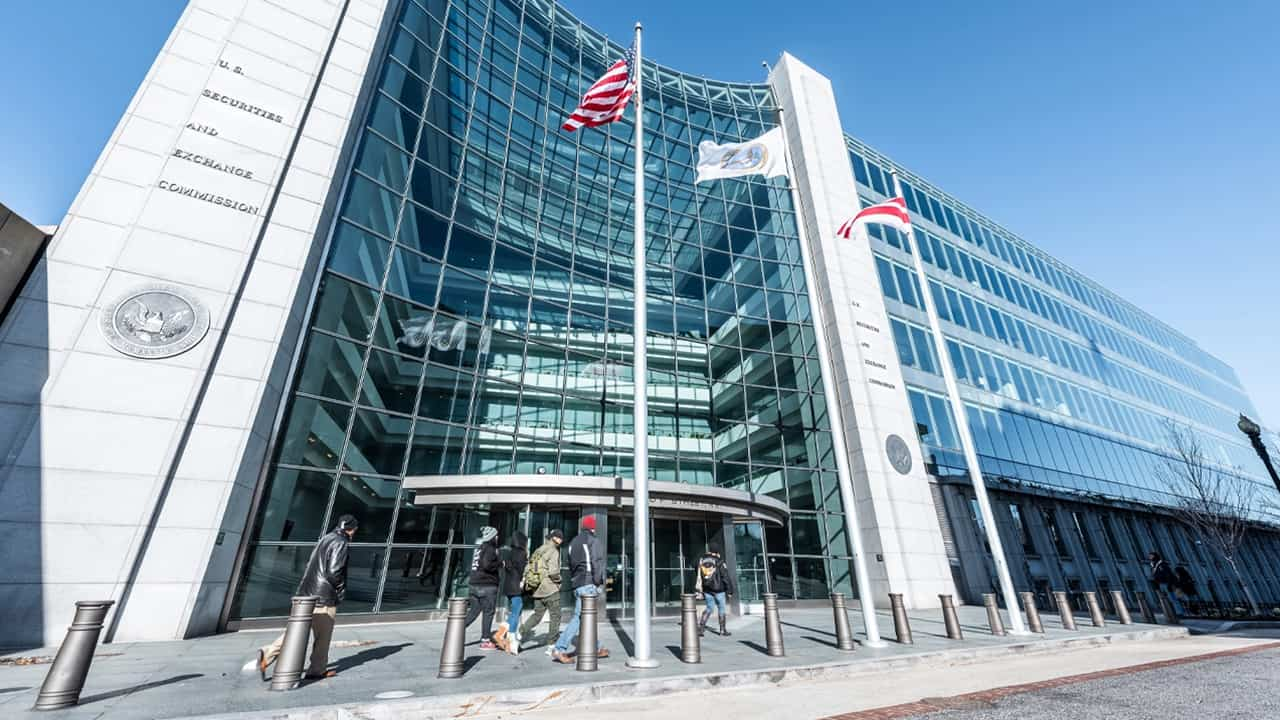
The findings were revealed as the U.S. Justice Department is pursuing an investigation into possible violations of money-laundering rules by Binance, which dominates the $1 trillion cryptocurrency industry, with its more than 120 million users.
By allowing people in Iran to use its platform, Binance is risking its business by falling afoul of U.S. prohibitions, lawyers and trade-sanctions experts said.
It was back in July 2022, when it was revealed that Binance continued serving clients in Iran and that the exchange's popularity in the Islamic republic was known inside the company.
Binance explained that it follows international sanctions, and that it blocks access to people in Iran.
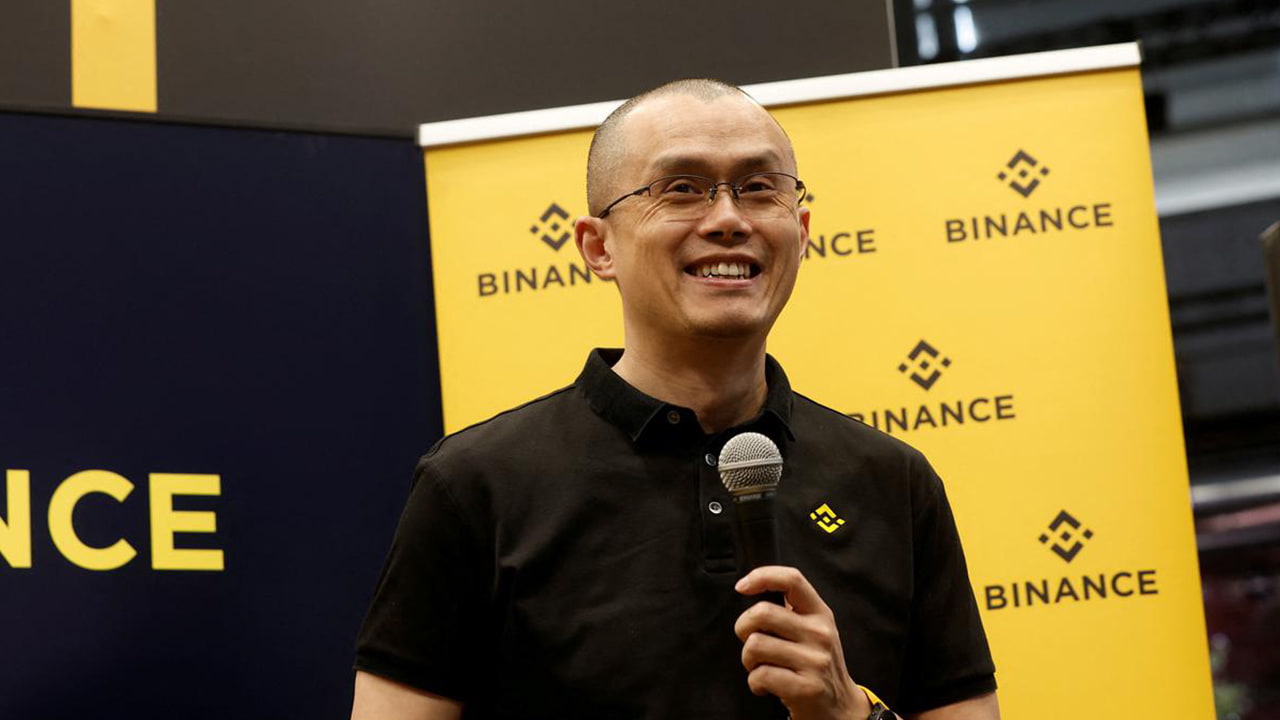
"Binance banned Iranian users after sanctions, 7 got missed/found a workaround, they were banned later anyways," tweeted its founder, Changpeng Zhao.
But since Zhao made that statement, Binance continued to process around $80 million in trades from people in Iran.
U.S. entities that violate the Iran sanctions can face criminal fines of up to $1 million per violation. People involved can face jail terms of up to 20 years.
The thing is, according to Patrick Hillmann, the Chief Strategy Officer at Binance, the company is not a U.S. company.
Being registered in the Cayman Islands, Binance cannot be sanctioned like U.S.-based companies.
But regardless, Hillmann said that the company has "taken proactive steps to limit our exposure to the Iranian marketplace" by working with partners and internal tools.
"We are continually updating processes and technology as we learn about new risks and potential exposures. As a result of these efforts, including real-time transaction monitoring in coordination with external vendors, between June of 2021 and November of 2022, Binance's exposure to Iranian-linked entities has seen an exponential decline."
Hillmann also said that in relation to the exchange's indirect exposure to illicit funds, "what's important to note is not where the funds come from - as crypto deposits cannot be blocked - but what we do after the funds are deposited."
He said Binance uses transaction monitoring and risk assessments to "ensure that any illegal funds are tracked, frozen, recovered and/or returned to their rightful owner."
Binance is the biggest market for trading Tron, according to industry data.
And in this case, Tron's dataset reveals that over 1.15 million direct transfers between Binance and Nobitex happened since April 2020, when the first Tron flows were recorded.
Tron has largely flown under the radar of cryptocurrency trackers. This is because Chainalysis, which is used by U.S. government agencies, only began fully supporting the tracing of Tron in May 2022.

In addition to the Tron token, the remainder of the Iranian transactions Binance processed were Bitcoin, Ether, Tether and XRP, and the smaller token, Litecoin.
And coming second after Binance, is Seychelles-based KuCoin, which processed $820 million in direct and indirect transactions.
Following KuCoin, include CoinNik Market, Iranicard, Rabex, Wallex, Sarmayex and Tether Land.
While Binance may not be a U.S. company, lawyers and sanctions experts said that Binance could be exposed to direct "primary" sanctions if the company has what the U.S. Treasury Department calls a "nexus to the United States."
This happens if Binance processes any U.S.-incorporated entities, or transactions processed through the U.S. financial system or using the dollar, they said.
As for Binance.US, which operates independently from Binance the cryptocurrency exchange, it "adheres to all applicable U.S. rules governing digital asset exchanges" and only permits trading by entities that have completed a "rigorous screening process," a spokesperson for the company said.






















































































































































































































































































