In an era where digital conversations feel increasingly exposed, WhatsApp has built its reputation on the promise of unbreakable privacy.
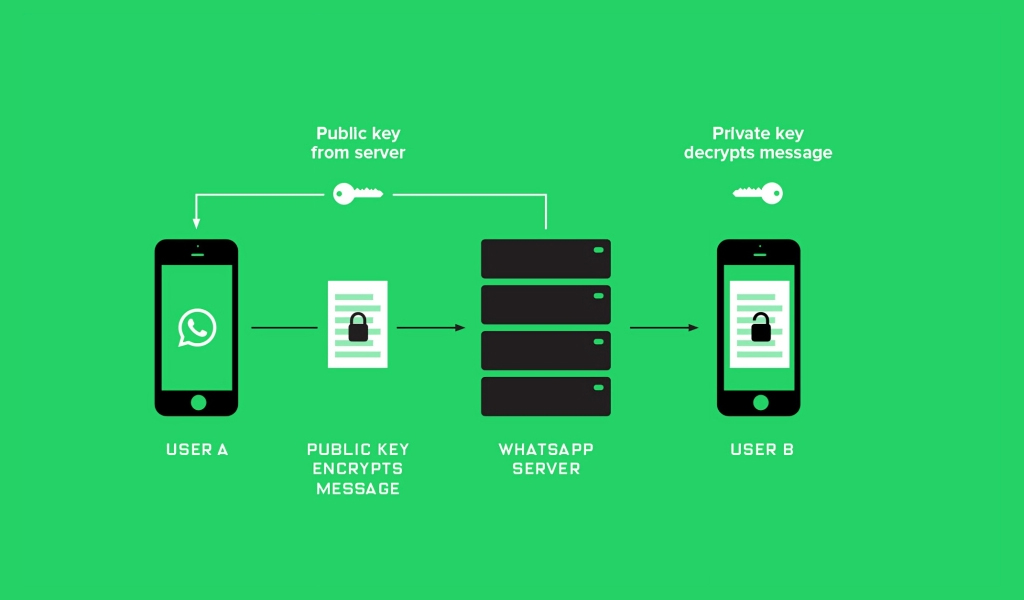
The app proudly displays that with end-to-end encryption using the Signal protocol, only the people in a chat can read, listen to, or share messages, no one else, not even Meta, the parent company. Since 2016, this assurance has drawn billions of users worldwide who trust the green lock icon as a shield against prying eyes.
Yet a fresh class-action lawsuit filed in late January 2026 in the U.S. District Court in San Francisco is challenging that very foundation, accusing Meta of systematically misleading users about the true level of protection their messages receive.
An international group of plaintiffs from Australia, Brazil, India, Mexico, and South Africa claims the company's privacy marketing is fraudulent.
They allege that despite the end-to-end label, Meta and WhatsApp store, analyze, and can access virtually all users' supposedly private communications, including the actual content of chats.
The suit suggests employees have ways to view message substance through internal tools or processes, creating what amounts to a hidden backdoor. Drawing on information from anonymous whistleblowers, the plaintiffs argue this deception has defrauded billions globally and they are pushing for the case to be certified as a class action, potentially encompassing WhatsApp's enormous user base and leading to massive repercussions if proven.
Meta has responded with forceful denial, calling the allegations categorically false, absurd, and said that it "will pursue sanctions against plaintiffs' counsel."
"Any claim that people's WhatsApp messages are not encrypted is categorically false and absurd," spokesperson Andy Stone said in an email. "WhatsApp has been end-to-end encrypted using the Signal protocol for a decade. This lawsuit is a frivolous work of fiction."”
A company spokesperson emphasized that WhatsApp has employed genuine end-to-end encryption via the Signal protocol for over a decade, with encryption keys residing solely on users' devices, meaning Meta has no technical ability to decrypt or read message contents.
The company has vowed to defend the case aggressively and even pursue sanctions against the plaintiffs' legal team. This stance aligns with WhatsApp's long-standing technical explanations: true end-to-end encryption protects data in transit and at rest on servers, preventing company access without compromising user devices themselves.
The lawsuit arrives amid heightened scrutiny of Big Tech privacy practices and comes on the heels of earlier controversies, including debates over metadata collection and past policy changes that sparked user backlash.
Public reactions have been swift and polarized, with figures like Elon Musk declaring WhatsApp insecure and urging alternatives, while others in privacy-focused communities point out that even strong encryption can be undermined if the app itself is controlled by the provider.
When the news broke, no concrete technical evidence, such as code samples or internal documents, has surfaced publicly yet, leaving the claims reliant on whistleblower accounts and raising questions about their veracity in court.

For everyday users, the core question remains whether this is legitimate cause for concern or an ambitious legal challenge destined to falter.
End-to-end encryption continues to offer robust defense against external interception by hackers or network observers, but trust in corporate implementations erodes when accusations of internal access arise. Privacy-conscious individuals might lean toward open-source options like Signal, enable disappearing messages, and avoid cloud backups that could weaken protections.
As the case unfolds in its early stages with no rulings or major discoveries so far, the debate underscores a broader tension in modern tech: the gap between marketed security and the realities of platform control.
Whether this lawsuit exposes a genuine flaw or simply fuels headlines, it has reignited global conversation about who really holds the keys to people's private digital lives.
Your WhatsApp messages are private. We use the open-source Signal protocol to encrypt them.
• Encryption happens on your device
• Messages are encrypted before leaving your device
• Only the intended recipient has the keys to decrypt messages
• The…— WhatsApp (@WhatsApp) January 27, 2026






















































































































































































































































































