
Twitter is free for anyone to use, and because of that, it's the internet's most popular town hall.
But since Elon Musk took over Twitter, he has made numerous changes that according to some users, either make or break Twitter. And among the changes, include the inactive account policy, that states Twitter can permanently remove users due to prolonged inactivity.
"We encourage people to actively log in and use Twitter when they register an account. To keep your account active, be sure to log in at least every 30 days. Accounts may be permanently removed due to prolonged inactivity," reads Twitter’s inactive account policy.
And this time, Musk is using that policy to fire back at NPR, the U.S. National Public Radio, when it refused to use the platform any longer.
"So is NPR going to start posting on Twitter again, or should we reassign @NPR to another company?” Musk asked in an email sent to reporter Bobby Allyn.
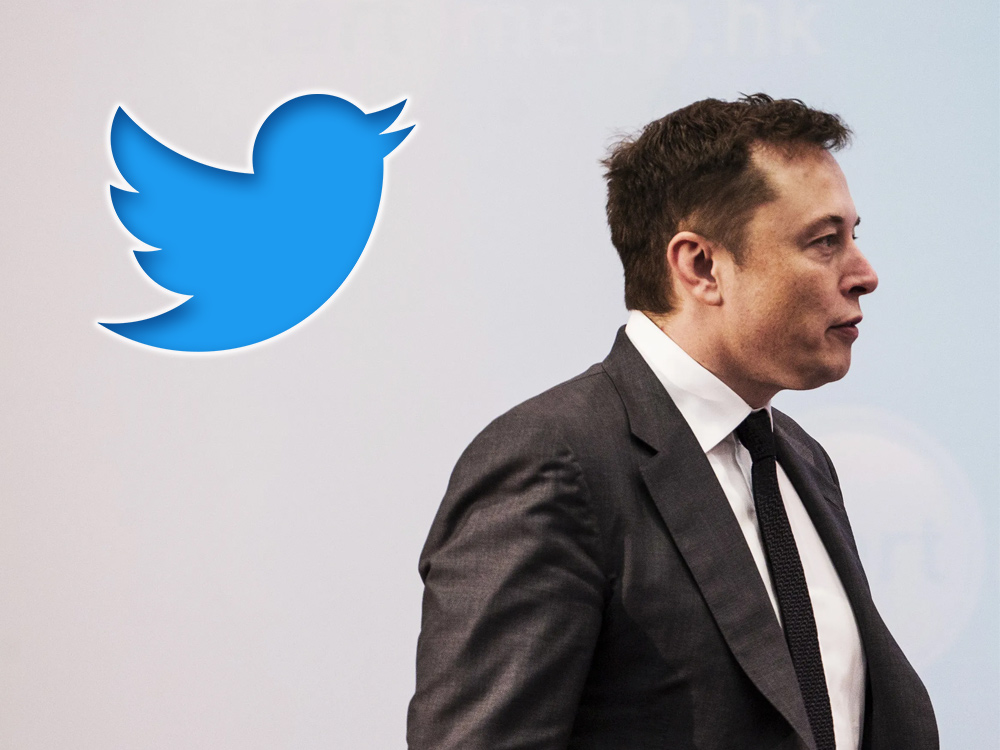
It all began when Elon Musk decided to label NPR as a "state-affiliated media," which is so not an accurate descriptor for a non-profit news organization like NPR.
After complaints, in April, changed the label to “government-funded media,” which is still inaccurate since most of NPR’s funding comes from private donors and fundraising.
Because of this, NPT retaliated, saying that what Musk did is "inaccurate and misleading."
NPR effectively quite Twitter in April.
Its CEO, John Lansing, decided the damage was done, saying, that "I would never have our content go anywhere that would risk our credibility."
Altogether, NPR stopped posting content to all of its 52 official Twitter feeds, in protest against the Twitter designation that implied a government involvement in its editorial content.
On April 12th, it made a number of tweets, in an attempt to redirect its Twitter followers to other platforms and social media accounts, including to its account on Facebook, Instagram, LinkedIn, TikTok, and more.
— NPR (@NPR) April 12, 2023
The company also detailed the links to its newsletters.
"NPR is an independent news organization committed to informing the public about the world around us. You can find us every other place you read the news," NPR said.
After a series of backlash, Musk would later remove the labels from news outlets’ Twitter pages.
But NPR is done.
In response to this, Musk as Twitter's 'Chief Twit' reportedly emailed its journalist, threatening to give away the NPR handle unless the outlet starts tweeting again.
And to do that, Musk uses the policy as his main reasoning, as a way to justify his intention.
At first, when Allyn asked Musk for his reaction, Musk tweeted the email along with a note saying, "Defund @NPR."
Bobby Allyn responded to this threat by publishing the emails he received from the eccentric billionaire.
NEW: In a series of emails today, Elon threatened to reassign @NPR to "another company" unless the network started tweeting again
(link actually works this time)https://t.co/ffFIjYhxwX— Bobby Allyn (@BobbyAllyn) May 3, 2023
These quotes from AP’s good summary of the saga https://t.co/3wOWTgBoMt pic.twitter.com/UUWAl5iOkq
— Bobby Allyn (@BobbyAllyn) May 3, 2023
"Our policy is to recycle handles that are definitively dormant,” Musk told NPR's reporter in another email.
“Same policy applies to all accounts. No special treatment for NPR.”
And when the NPR reporter asked who could take over the Twitter account, Musk replied, "National Pumpkin Radio."
NPR isn't the only news agency angered by the "misleading" labels. Due to complaints, Musk withdrew the labels altogether, and also took it off from real government-backed outlets, like China’s Xinhua News Agency and Russia’s RT.
NPR is also not the only one retaliating because many of the agencies that were given the government-affiliated labels have not resumed activity, their profiles showed.
Musk has since returned the gold checkmark to accounts with many followers to signify that they're major organizations. If they're not organizations, they're given back their blue checkmark, even if they didn't pay for Twitter Blue.