Rivalry in business is all about how competitors fight for market share and satisfy their customers.
It's about focusing on innovation, improving products, and delivering value to consumers, rather than letting petty disputes or irrelevant factors steer the competition, and not about unnecessary conflicts or distractions.
This is why rivals in business can partner for the better good, or to benefit each other, as long as the parties mutually benefit.
The same goes for Google and Samsung.
For users on Android, they should notice that Google’s Gemini AI assistant seems to be everywhere.
This happens because Alphabet Inc., the parent company of Google, has been paying Samsung Electronics an "enormous sum" each month to preinstall its generative AI app, Gemini, on Samsung devices, and have the AI integrated into Samsung's One UI Android skin.
As a result of this, Samsung is required to add Gemini as the default AI assistant on the South Korean phones, accessible when when long-pressing the power button, with its own Bixby assistant taking a back seat.
Besides the cash, Google is also giving Samsung a percentage of its advertising revenue it received from Samsung users while using the Gemini app.
According to a Google antitrust case, the payments began in January, as revealed by Peter Fitzgerald, Google’s VP of platforms and device partnerships.
Fitzgerald revealed this during a federal antitrust trial in Washington as part of the Justice Department’s antitrust case.
The contract, which is set to last for at least two years, includes fixed monthly payments for each device that comes with Gemini preinstalled, along with a share of the ad revenue Google generates from the app.
It's worth noting that Fitzgerald testified that other companies had also pitched Samsung on deals to preinstall their AI assistant apps, including Perplexity and Microsoft.
But a Department of Justice lawyer noted that Google’s letters, which sought to amend its deal with phone manufacturers, were only sent last week, just before the trial began.
Additionally, internal slides presented at the hearing revealed that Google had been considering more restrictive distribution agreements, which would have required partners to preinstall Gemini alongside Search and Chrome.
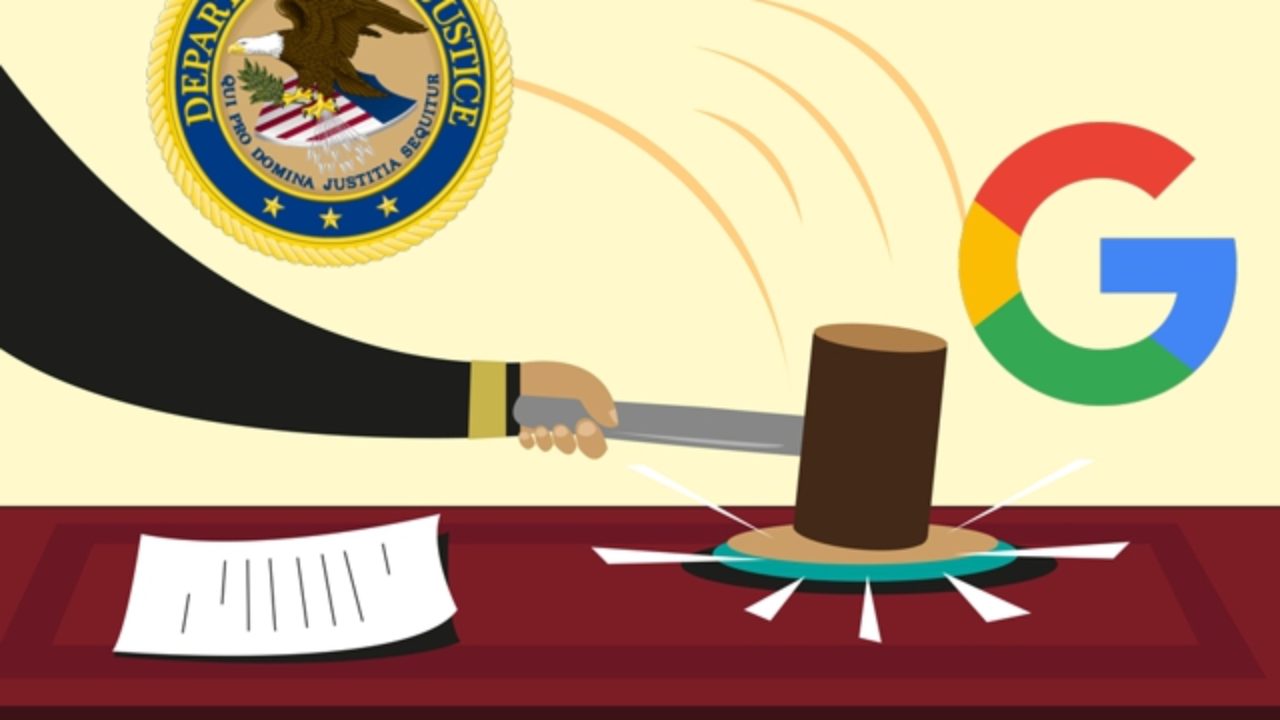
At this time, Google has lost two antitrust cases in quick succession, considered a historic moment
Google was found violating antitrust law, partially due to similar arrangements with Apple, Samsung, and other companies for search.
The antitrust cases are meant to forbid Google from striking default placement deals in the future, sell Chrome, and force it to license the vast majority of the data that powers Google Search.
Google has argued that it should only have to give up the default placement deals.

















































































































































































































































































