In the rapidly evolving world of AI, pop superstar Taylor Swift is drawing a firm line around her most personal assets: her voice and image.
Through her company, TAS Rights Management, she quietly filed three new trademark applications with the U.S. Patent and Trademark Office, marking a calculated move to shield herself from the growing wave of AI-generated fakes that have already plagued countless celebrities.
Two of the filings are sound trademarks capturing Swift saying signature phrases like "Hey, it's Taylor Swift" and the more casual "Hey, it's Taylor", complete with audio samples that tie into promotions for her upcoming album The Life of a Showgirl. The third protects a striking visual from her Eras Tour era: a photograph of the singer on stage, pink guitar in hand, clad in a shimmering multicolored iridescent bodysuit and silver boots against a vibrant pink backdrop.
This isn't Swift’s first foray into aggressive intellectual property protection, as she already holds dozens of trademarks for everything from things related to her name, album titles and song lyrics to phrases.
But these latest applications represent something bolder and more forward-thinking.
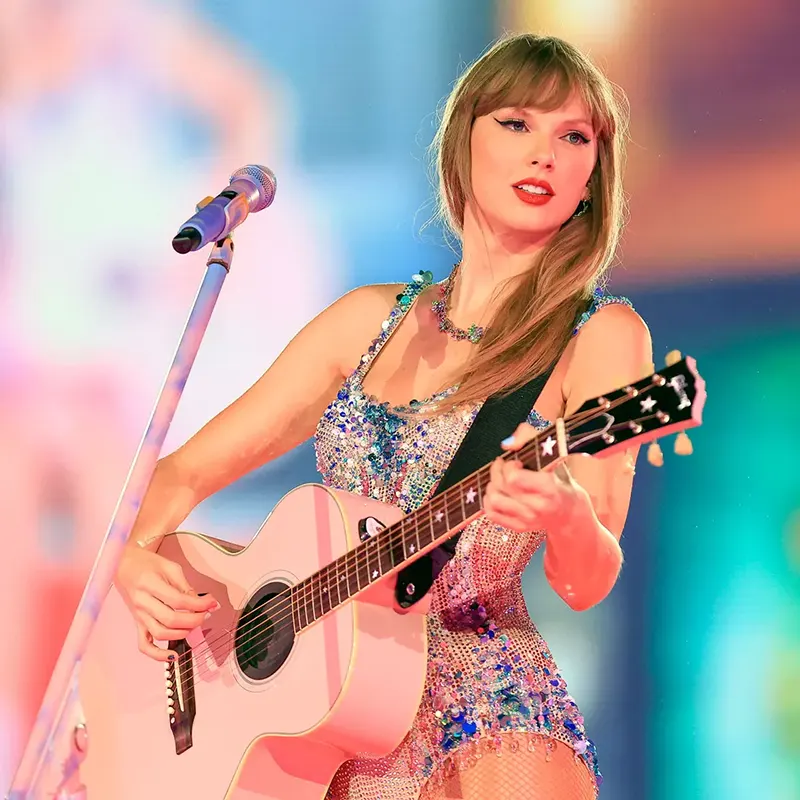
Traditional copyright law guards against direct copies of existing recordings or images, yet AI tools now let anyone synthesize entirely new content that sounds or looks just like her.
By registering specific spoken phrases and an iconic visual, Taylor's team is betting on trademark law's unique power to block "confusingly similar" imitations, potentially giving her stronger grounds for lawsuits, injunctions, and damages against unauthorized AI uses.
Legal experts describe it as an untested but promising strategy in the AI age, one that could close loopholes where copyright falls short.
For Swift, whose career has long been defined by meticulous control over her art and narrative, this latest step feels like a natural evolution.
It reinforces her reputation as a savvy businesswoman who treats her persona as both creative output and valuable intellectual property.
While this kind of trademark is still relatively rare and untested in court, the filings send a clear message to AI developers, platforms, and opportunists alike: her voice, her image, and the authenticity they represent are not up for grabs.
In an era where technology can mimic anyone convincingly, Swift is insisting that consent and ownership remain the foundation of how her art, and her identity, get used.
As more artists watch closely, her proactive stance may well become the blueprint for protecting celebrity in the age of AI.
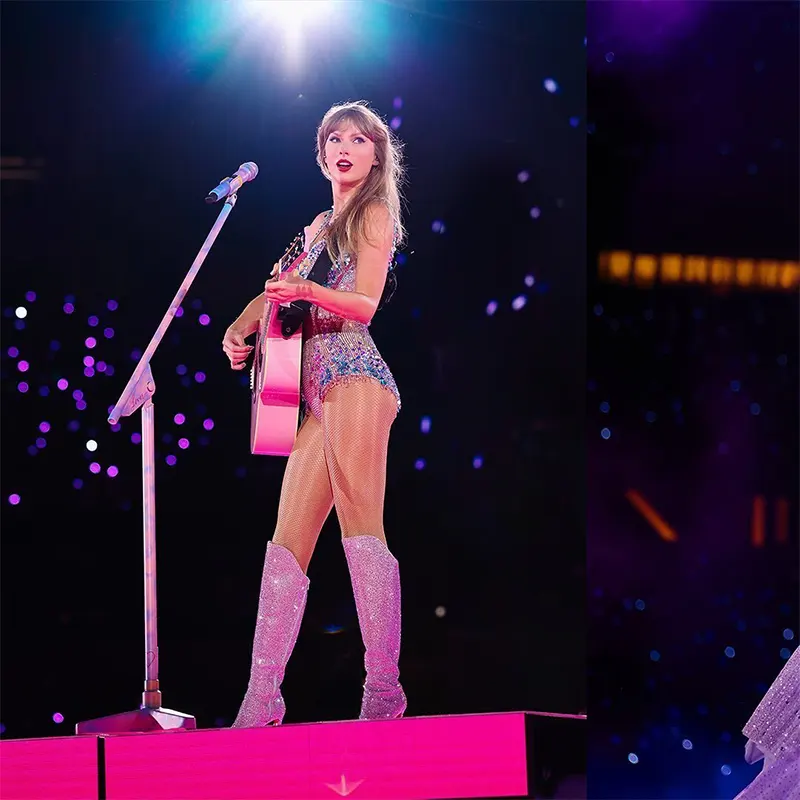
According to intellectual property attorney Josh Gerben in a blog post:
"But AI technologies now allow users to generate entirely new content that mimics an artist’s voice without copying an existing recording, creating a gap that trademarks may help fill."
"By registering specific phrases tied to her voice, Swift could potentially challenge not only identical reproductions, but also imitations that are ‘confusingly similar’, a key standard in trademark law."
The timing feels especially pointed given how deeply AI has already intruded into Swift’s world.
Back in early 2024, she became one of the most high-profile victims of non-consensual deepfake pornography when explicit AI-generated images of her spread virally across social media platforms, racking up tens of millions of views before being taken down.
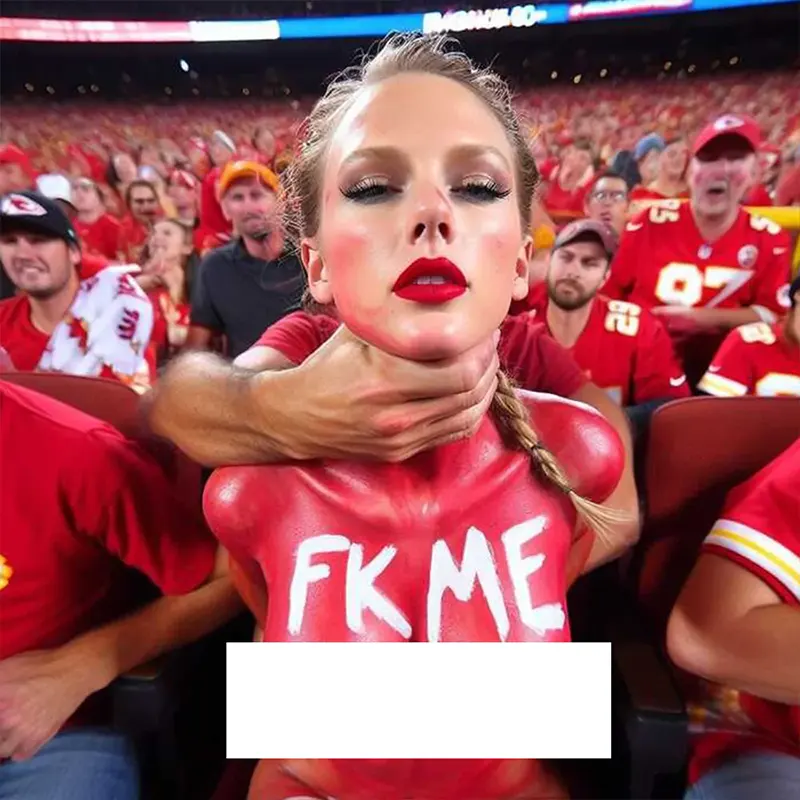
The same year, even Donald Trump posted numerous AI images to his Truth Social that falsely showed Taylor endorsing him for president.
Then, in 2025, tech journalist who tested xAI's Grok Imagine managed to create a handful of images of the singer wearing revealing clothes.
The episodes sparked widespread outrage, calls for new legislation, and a stark reminder of how quickly technology can weaponize a celebrity's likeness without consent.
Those images, along with other AI fabrications like fake political endorsements, underscored the very real personal and professional risks that have only intensified since.






















































































































































































































































































