Papua is Indonesia’s easternmost province.
With less than 5 million inhabitants, it's one of the least-dense provides of Indonesia, despite encompassing huge area that consists of the western half of New Guinea and several other islands.
Besides known for its large potential in natural resources, such as gold, nickel, petroleum, Papua has a higher degree of autonomy level compared to other Indonesian provinces.
It's also known for its conflicts with the Indonesian government.
And this time, it's realized that a bunch of soldiers have been torturing a Papuan man, after a video of it went viral.
This enraged both the Indonesian government, the Indonesian army, and netizens.
The conflict in Papua, also known as the Papua conflict or the Papua issue, refers to a long-standing and complex series of tensions and disputes between the indigenous Papuan people and the Indonesian government.
At its core, the conflict revolves around issues of identity, autonomy, human rights, and natural resource exploitation. Papua, which comprises the provinces of Papua and West Papua, is home to a diverse array of indigenous peoples with distinct cultures, languages, and traditions.
Since Indonesia's annexation of the region in the 1960s, there have been ongoing grievances and resistance movements among some Papuans who seek greater autonomy or even independence from Indonesian rule.
The Indonesian government has implemented various policies aimed at promoting development and addressing grievances in Papua, including special autonomy arrangements and infrastructure projects.
However, deep-rooted issues of identity, autonomy, and human rights continue to fuel tensions and sporadic outbreaks of violence in the region.
While the governments doing what they can, sometimes, the people who are sent to the field do whatever they like.
In a place where the Indonesian army clashes with armed separatists have clashed for years, anything can happen
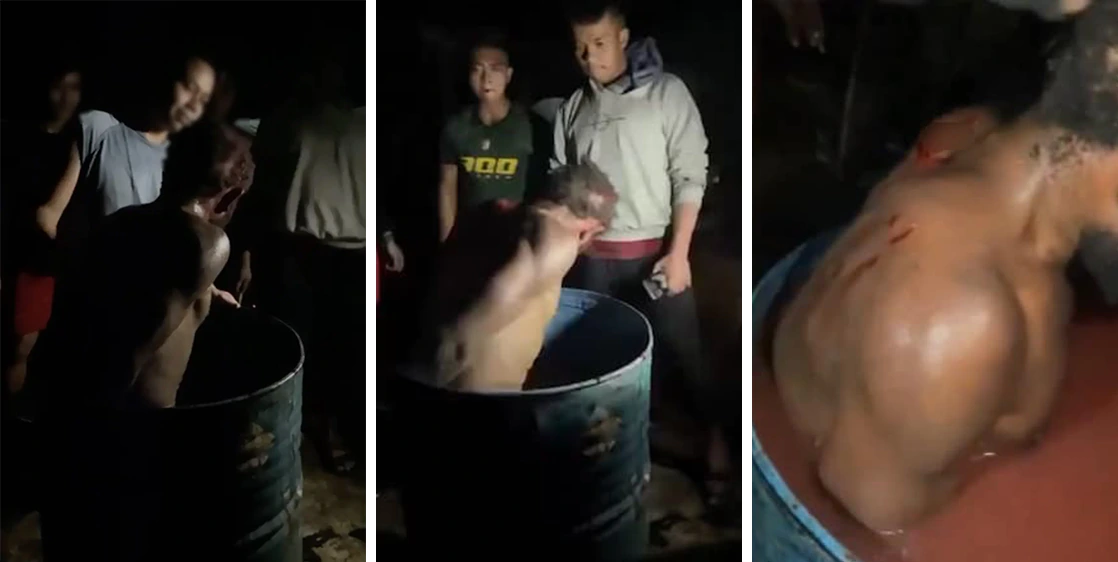
In a video that went viral, which has been doing the rounds on social media, shows men kicking, beating, and dunking an indigenous Papuan man.
The men, who are all Indonesian soldiers, took turns to beat their victim, which happens to be a member of a separatist group.
They taunt him with racist slurs and then lacerate his back with a machete.
The man was placed inside a barrel full of water, which has turned red because of his blood.
The Papuan man, identified as Definus Kogoya, was one of the three men that were arrested by the Indonesian soldiers after the shootout that happened between Indonesian soldiers and West Papua National Liberation Army (TPNPB) rebels suspected of burning a public health facility in Omukia district in Puncak, Central Papua.
Definus is one of three separatists that were arrested, with others being Alianus Murib and Warinus Kogoya.
Warinus died when he jumped out of a moving car while his bands were tied behind his back, and had his head hit a rock.
Definus also tried to escape, but the Indonesian soldiers managed to recapture him.
It was after this, that Definus was tortured.
The incident happened at a military post in Gome district, in an effort to get information on the whereabouts of other TPNPB insurgents.
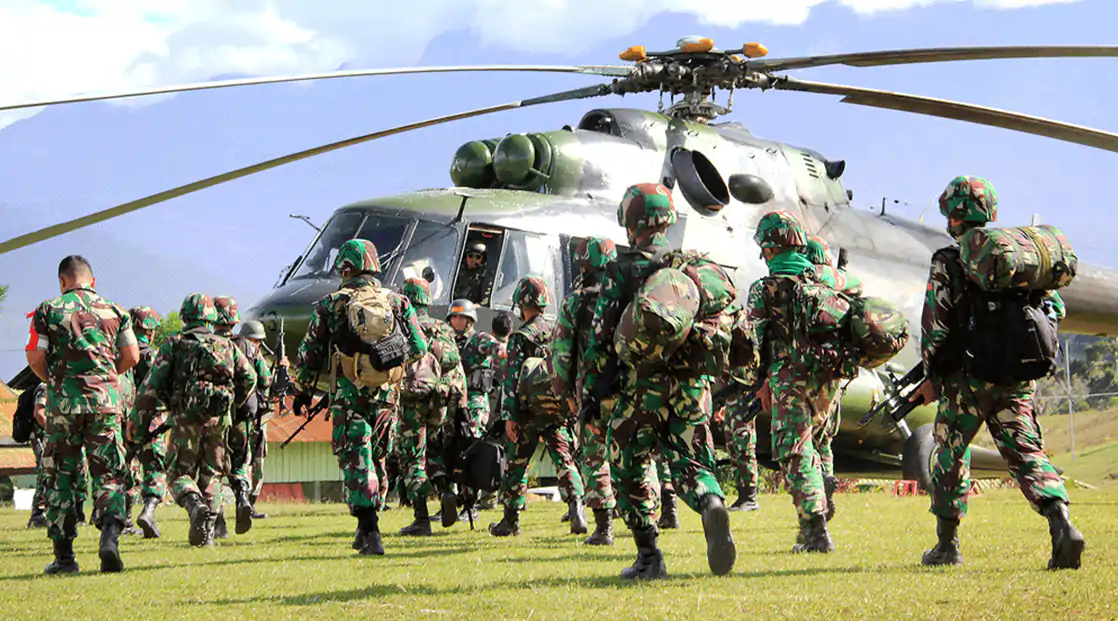
The Indonesian military said that Definus has recovered after medical treatment and has been returned to the custody of local police, and that later, he and Alianus were released as the police found no evidence of arson or other violent acts.
But there is some dispute as to whether Definus survived the torture.
According to the human rights group Amnesty International, Definus allegedly died.
Despite this, following the virality, Indonesia's military issued a rare apology, and said 13 elite troops accused of involvement in a video have been arrested.
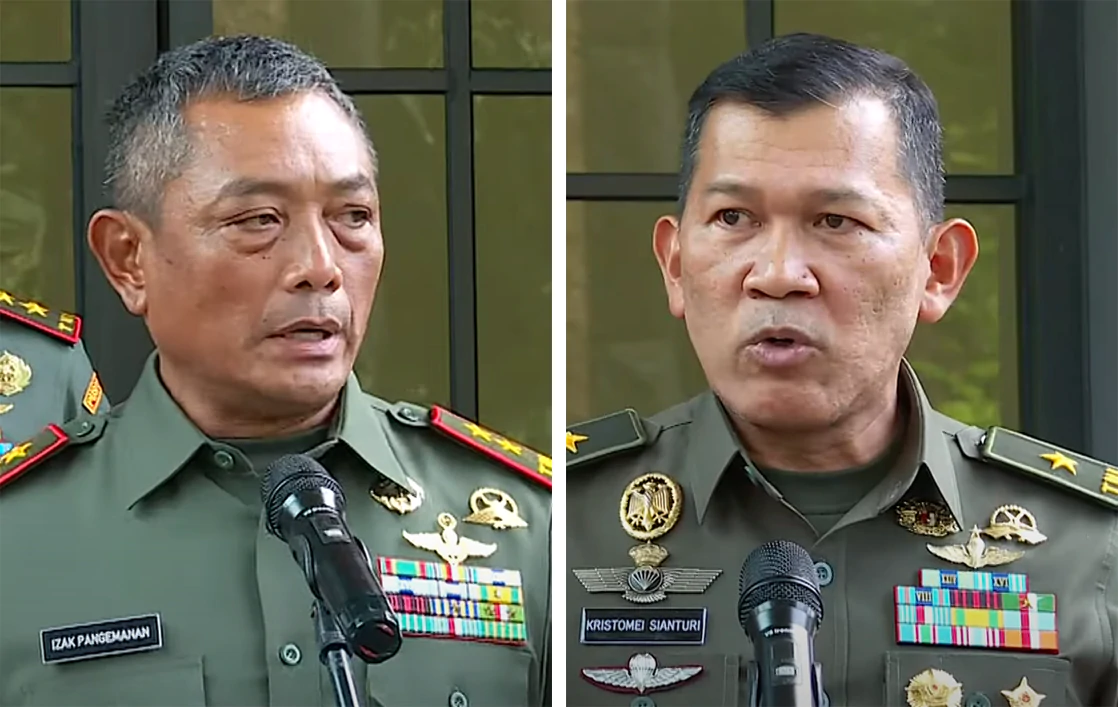
In a lengthy news conference, army spokesperson Brig. Gen. Kristomei Sianturi said that the incident in the video had occurred on February 3 at a military outpost in Puncak, a rugged region of Central Papua province.
"This is a violation of the law and we will act according to the applicable laws and regulations," Sianturi said.
"This is what we regret, that the Indonesian military or Indonesian army never taught, never approved any violence in asking for information."
All of the 13 soldiers have been detained at the military police’s maximum security detention center in West Java for further investigation.
Apart from them, according to the military’s top figure in Papua, Maj. Gen. Izak Pangemanan, more than 40 military personnel of the 300 Infantry Raider Battalion are being questioned as part of an ongoing investigation.
"This action is against the law, tarnished the name of the military and disrupted efforts to handle conflicts in Papua," he said.
"We regret what happened, it shouldn’t have happened," he added.
"We condemn this action. It’s a violation of the law and it has tarnished the military’s reputation."
"We apologize to all Papuans, and we will work to ensure this is never repeated."
According to both Kristomei Sianturi and Izak Pangemanan, torture is not Indonesian policy.
And according to a spokesperson from the Presidential Staff Office, firm action is encouraged against the people in the video if it was proven they were military personnel.
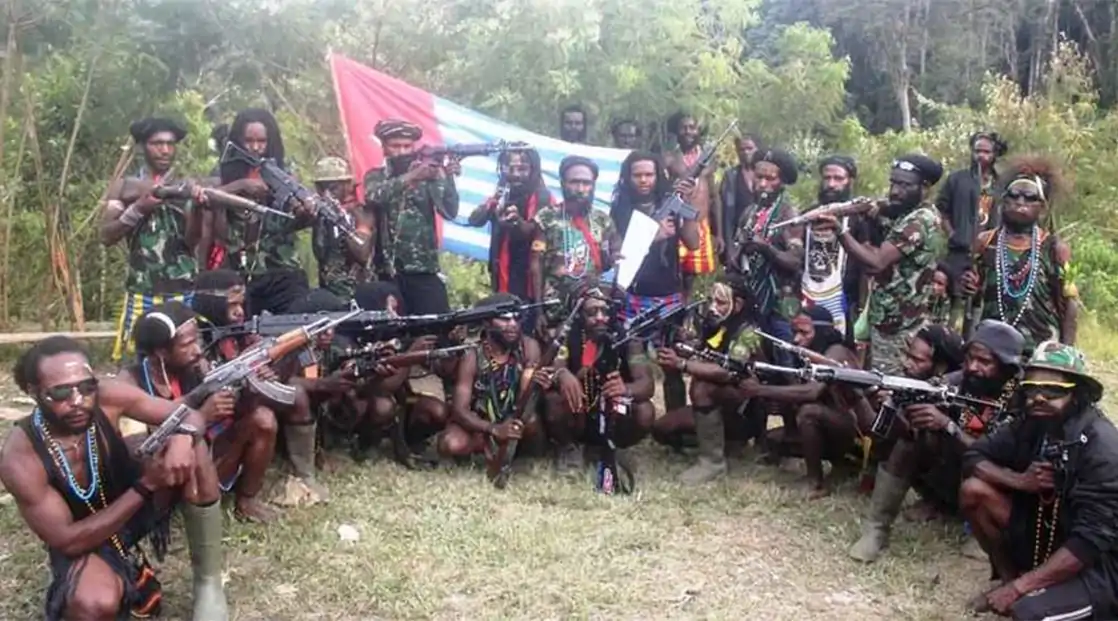
Resource-rich Papua has experienced violence between armed separatists and Indonesian troops since it was brought under Indonesian control in a vote overseen by the United Nations in 1969.
Following what independence activists say was a flawed UN referendum, conflicts have escalated significantly since 2018, with pro-independence fighters mounting deadlier and more frequent attacks, largely because they have managed to procure more sophisticated weapons.
The conflict has also worsened, as the Indonesian state has extended infrastructure and transport links into the heart of highland Papua.
This has inflamed resistance, prompting more sophisticated and successful attacks by TPNPB and other pro-independence groups
Security forces said that in some of the clashes between the two sides, separatists have killed police and soldiers.
The leaked video opened a rare portal into the reality of the situation in Papua, access to which is tightly controlled by the security forces.
The UN High Commissioner for Human Rights has been barred from the region, and access by the press is difficult. Local governments have also imposed internet and telecommunications blackouts during past episodes of unrest.






















































































































































































































































































