The Israel-Hamas conflict, as described on Wikipedia, involves a series of escalations beginning with a significant attack by Hamas on October 7, 2023.
This attack resulted in extensive casualties and hostilities, marking one of the most intense periods of violence in the long-standing conflict between Israel and the Palestinian Hamas. The initial attacks by Hamas were notable for their scale and coordination, leading to severe civilian and military casualties on both sides.
The conflict has prompted international reactions, with numerous countries and organizations calling for a ceasefire and humanitarian truce.
But this war between Israel and Hamas not only happens in the geographical region in West Asia. It also happens on the internet.
And in Wikipedia, it's a battleground of putting and removing information.
Wikipedia's reach and influence are astonishing.
Every day, millions of people visit the site, reading and downloading content in various languages.
The platform popularity, and how its content can be updated to the latest information, is because of its open editing model.
Instead of relying on a group of dedicated writers, Wikipedia allows anyone to contribute and edit articles.
Despite many sensitive articles are locked, most of its articles can be edited by anyone, anywhere, without requiring a user sign up.
And here, what stays on Wikipedia is traditionally based on the general consensus of the majority of its contributors.
Because of this editing model, even the majority of the voices that matter, can never eliminate biases.
The many contributors can have different opinions regarding something, and if a minority of the contributors cannot reach a general consensus, they may never be able to put anything on Wikipedia, even if what they say is the truth.
Likewise, if the majority of the contributors see that a "fake news" is the truth, then that information stays on Wikipedia.
So here, the platform's editing model that is its greatest strength, is also its greatest weakness
All Wikipedia articles are vulnerable to bias.
And in this case, they're also vulnerable to edit wars.
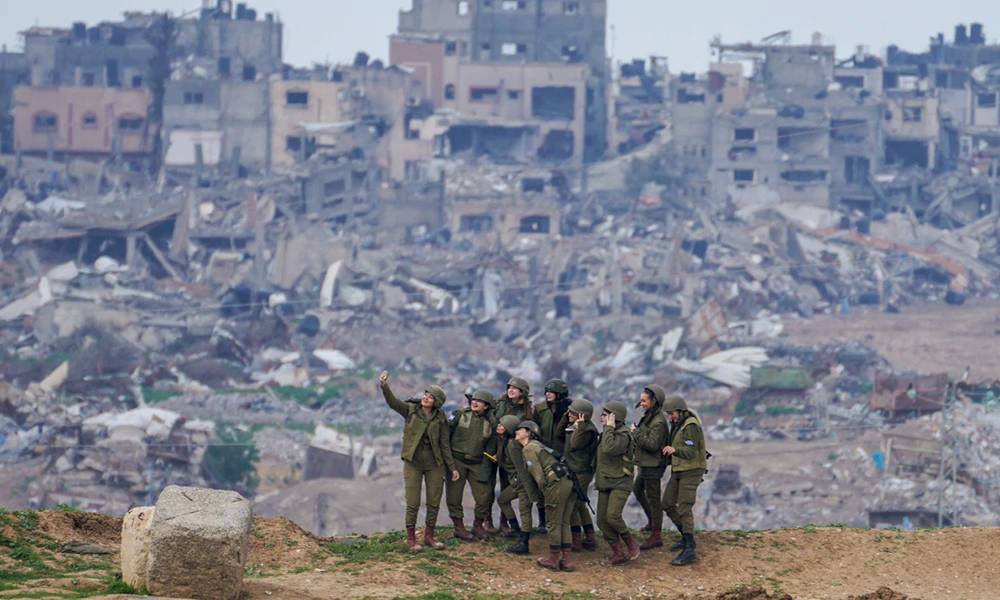
What happens here is that, Wikipedia has become a battleground for editors, where they create edits to remove information to prevent it becoming part of history, cover lies, and more.
The editing wars on Wikipedia regarding the Israel-Hamas conflict reflect deeper tensions and biases among contributors, often leading to disputes over content accuracy, neutrality, and historical representation.
These conflicts arise from attempts by various editors to present different narratives or emphasize specific aspects of the conflict, sometimes resulting in the removal of information or the insertion of contentious claims.
During political and/or geographical tensions, editors who come from around the world may have different political or ideological leanings, leading to biased portrayals of events.
Pro-Israel and pro-Palestinian perspectives have been around for decades, yay before Wikipedia was born.
And here, they're also having presence on the web, bringing their thoughts that are often subjective, and try to influence how incidents like wars are described, which sources are cited, and what context is provided.
The result of edit wars, when a real war is a concern, is certain.
Disagreements happen, debates can fiery.
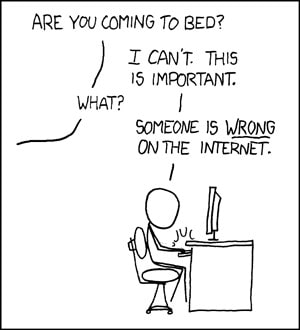
Both sides will often center on how historical events are presented.
For instance, the framing of past conflicts, the roles of different parties, and the impact on civilians can vary significantly based on the editor's viewpoint.
This is the inevitable that can happen as a result of attempts for systematic silencing of certain important perspectives.
Besides efforts to either expose or cover up information, disinformation and/or malinformation, editors at war may also accuse each other of spreading propaganda or omitting crucial facts, leading to continuous revisions and endless edit wars.
Wikipedia enforces a policy that requires articles to be written from a neutral point of view, representing all significant viewpoints fairly and without bias. This is meant to mitigate the impact of individual biases on article content.
All content must be verifiable and based on reliable sources. Editors are encouraged to cite reputable sources to support their contributions, reducing the likelihood of misinformation.
Wikipedia has processes for resolving disputes, including mediation by experienced editors and, in more severe cases, arbitration by the Arbitration Committee. These mechanisms aim to find a balanced resolution to editing conflicts.
But again, because things on Wikipedia tend to be present due to the general consensus, controversial content, especially that which might be seen as defamatory or highly sensitive, that can be subject to removal, can become targets for editors, who may argue over whether such content violates Wikipedia’s guidelines on neutrality and verifiability.
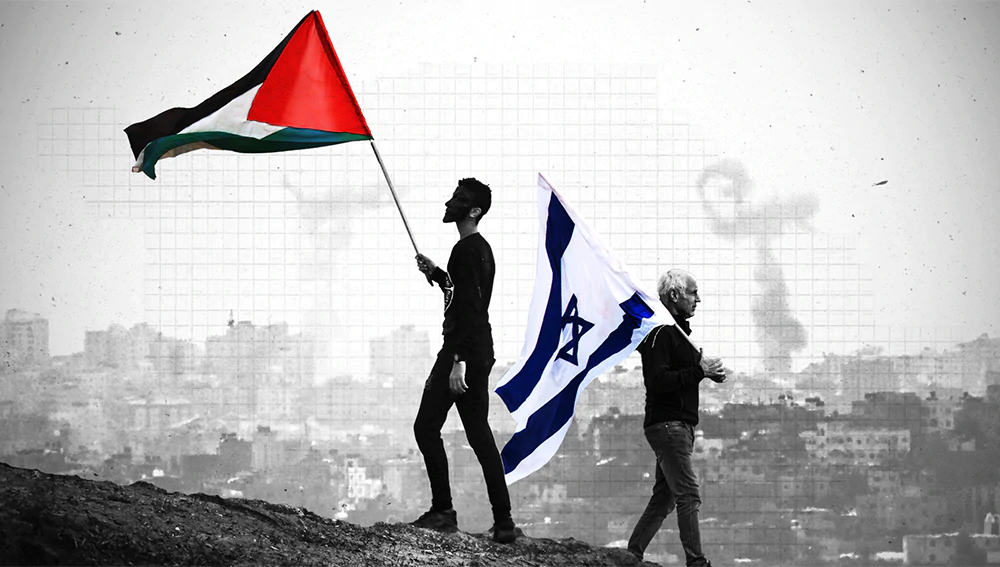
Not only that, because global responses to the conflict, including statements from governments and international organizations, can also be a source of dispute.
This can happen because editors can think subjectively, and that their thoughts may differ on how to present these reactions and their implications.
In the Israel war with the Palestinian Hamas, attacks and subsequent casualties have been heavily contested.
Editors may debate the number of casualties, the identity of the victims, and the context of the attacks.
Coverage of the humanitarian impact, including the blockade of Gaza and the living conditions of Palestinians, can also lead to disputes.
Some editors might focus on the suffering caused by Israeli actions, while others emphasize Hamas's role in the conflict.
In the end, Wikipedia that has become the source for many to cite, is residing at the center of global information war.
People's thoughts about the dynamics of war, the portrayal of political repercussions, the criticism of Israeli leadership, can be influenced by the editors’ perspectives.
During the Israel war with Hamas, even Jimmy Wales, the founder of Wikipedia, is taking sides. He has identified himself as a strong supporter of Israel.
Naftali Bennett, a former Prime Minister of Israel, formed a group of editors to remove Palestinian narratives from Wikipedia.
Pro-Palestinian voices are often erased from Wikipedia along with their identities.
With inherent systemic bias in the editing community, studies also suggest that Wikipedia editors are predominantly from Western countries, which can lead to inappropriate representation of non-Western issues.
Additionally, organized groups with political agendas are known to influence Wikipedia content.
For instance, pro-Israel advocacy groups have formed networks of editors to monitor and edit articles related to Palestine, ensuring the narrative aligns with their viewpoint.
One good example of this, is the depiction of maps of Palestine and Israel, which are often presented on Israel's perspective, depicting occupied territories as legitimate for annexation.
The Nuseirat Massacre, for example, was indexed on Google, with the search engine saying that the Wikipedia article labeled it as a rescue operation.
To prevent vandalism, Wikipedia protected edits for the page, meaning that it only allowed confirmed users and administrators to edit the article.
Another example, is the Gaza Genocide, which Google indexed, and referred to as a Wikipedia article titled Palestinian Genocide Allegations, which is downplaying the Israeli genocide.

All of this proves that the Palestinian-Zionist war is not only happening in Gaza but also in the digital realm.
So here, the Palestinian is fighting an uphill battle on Wikipedia.
For Palestinians, the struggle to have their history and perspective represented fairly on Wikipedia is a continuous fight with implications beyond the digital world.
Palestinians not only strive to have their voices heard in the real world but also engage in intense online battles, particularly on Wikipedia.
The Palestinian struggle is an important example of how narratives are contested on the internet.
For more than decades, history related to Palestine and Israel often becomes ideological battlegrounds.
Pro-Israel and pro-Palestinian editors clash over their thoughts, and on the internet, their wording, and sources. This struggle can lead to significant distortions and omissions, impacting millions of readers' understanding of the Palestinian struggle under Israel's brutal occupation..
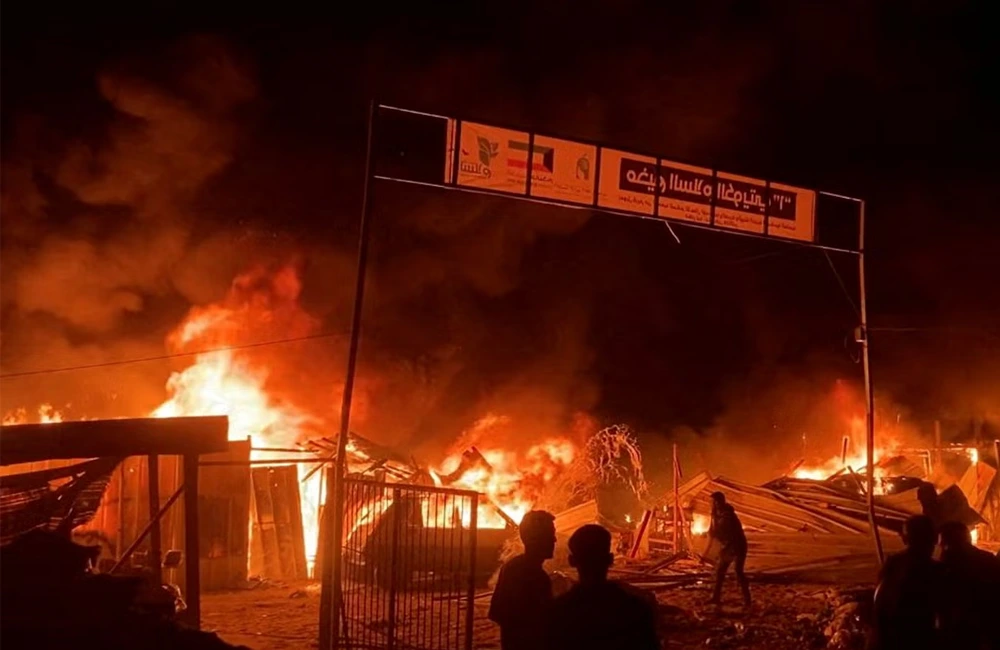
With bombs dropped on Gaza, and as the Israelis shoot Palestinian civilians, the edit war on Wikipedia is inevitable.
Read: 'All Eyes On Rafah,' As Israel Turned Camps In Gaza Into 'Hell On Earth'






















































































































































































































































































