The controversy rocking Indonesia's prestigious LPDP scholarship program erupted in February 2026, in which eventually dragged hundreds of others into public scrutiny.
When Dwi Sasetyaningtyas, a prominent alumna and social media influencer, shared a video proudly displaying her second child's newly issued British passport. In the clip, she declared that "It's enough that I'm Indonesian, my kids don't have to be," adding that she and her family were ensuring their children held "strong foreign passports."
The post quickly went viral, igniting widespread public outrage over gratitude, national loyalty, and the responsibilities tied to state-funded education.
Upon realizing her mistake, Dwi issued several public apologies, regretting her wording and the pain caused, while reaffirming her Indonesian identity, ongoing tax payments, and pride in her contributions.
But the damage was done.
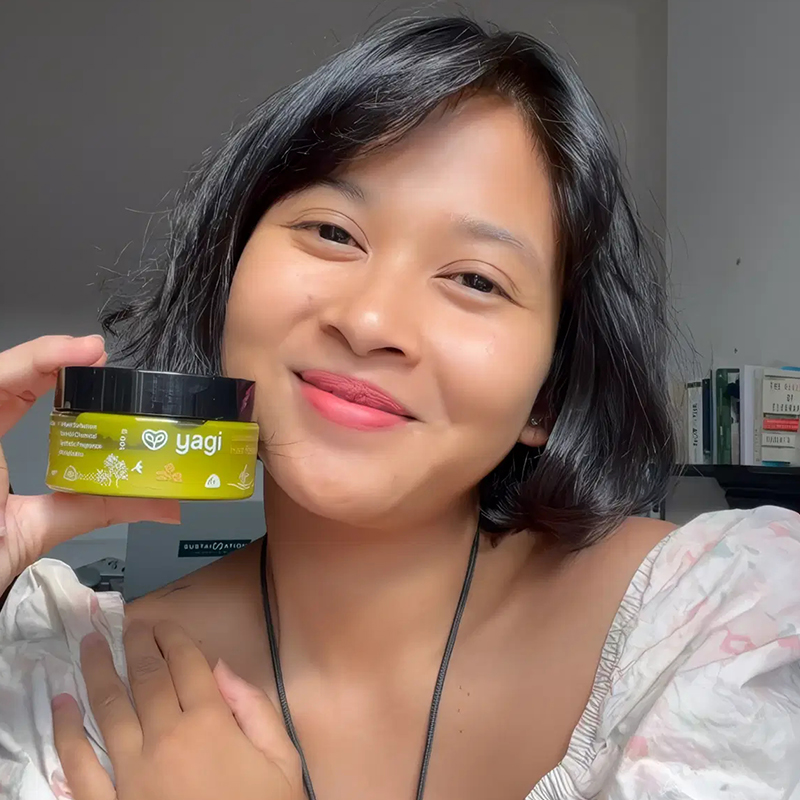
Dwi Sasetyaningtyas, often known as Tyas, holds a background in chemical engineering from Institut Teknologi Bandung (ITB), one of Indonesia's top universities.
In 2015, she secured an LPDP scholarship to pursue a master's degree at Delft University of Technology in the Netherlands, completing her studies and graduating in 2017. Upon returning to Indonesia, she dedicated approximately six years to impactful work in environmental conservation, women's empowerment, and various social initiatives.
These efforts are aligned with the spirit of contributing back to society.
LPDP later confirmed she had fulfilled her post-study service obligations, which typically require recipients to serve in Indonesia for a period equivalent to twice the length of their funded studies (often referred to as 2N, revised in recent rules from the earlier 2N+1 formula). Despite this compliance, the viral video shifted focus to her personal family choices and reignited debates about moral accountability beyond legal contracts.
The backlash intensified because Dwi now lives in the United Kingdom with her husband, Arya Iwantoro (sometimes referred to as Arya Pamungkas or AP in reports), and their children.
Arya is also an LPDP awardee, having received funding for master's and doctoral studies, with his PhD completed at Utrecht University in the Netherlands in 2022.
He currently works as a senior research consultant in the UK's Coastal Marine Applied Research Division, reportedly at or affiliated with institutions like the University of Exeter.
Unlike Dwi, Arya has been flagged for allegedly not yet fulfilling his mandatory service period in Indonesia.
Following the virality of his wife's video, LPDP officials have summoned Arya for clarification, and he has agreed to repay the scholarship funds plus interest, estimates suggest amounts nearing €200,000 or equivalent to billions of rupiah (up to Rp 2 billion in similar doctoral cases).
The Finance Minister has considered blacklisting involved parties from government-related opportunities, underscoring the seriousness of these obligations.
The LPDP (Lembaga Pengelola Dana Pendidikan), or Indonesia Endowment Fund for Education Agency, is a flagship government initiative under the Ministry of Finance designed to nurture the nation's human capital.
Established to manage the national education endowment fund, LPDP provides fully funded scholarships, covering tuition, living expenses, travel, insurance, and more, for outstanding Indonesian citizens to pursue master's and doctoral degrees, both domestically and at top universities abroad.
In 2026, the program has evolved with a stronger focus on national priorities, increased quotas (up to around 5,750 awardees), and structured pathways such as STEM for strategic industries and SHARE for social sciences, humanities, arts, religious studies, and economics.
At the heart of the furor lies at LPDP's core policy: scholarships funded by Indonesian taxpayers demand recipients return home and contribute for a set duration, viewing the support as both an investment and a "debt of gratitude."
This is because the goal of the program is to help develop highly competent leaders and professionals equipped with global knowledge and skills, who are then expected to contribute meaningfully to Indonesia's progress in strategic sectors like energy, digitalization, health, food security, and advanced manufacturing.
Recipients sign contracts committing to return to Indonesia after graduation and serve the country for a period typically equivalent to twice the length of their funded studies plus one year (often called 2N+1), viewing the scholarship as a taxpayer-funded investment rather than a pure gift.
Violations trigger administrative warnings, followed by debt collection through state mechanisms if unmet, with repayments calculated from total disbursed funds (including tuition, living expenses, and more). In recent months, LPDP sanctioned 44 recipients for service breaches, ordering eight to repay funds plus fines or interest, while investigating 36 others. Some cases allow limited overseas stays for approved reasons, like research or assignments, but strict enforcement aims to protect public trust.
Dwi issued multiple apologies, acknowledging her poor choice of words and the unintended hurt caused, while emphasizing her pride in remaining Indonesian and her continued tax contributions. LPDP's president director, Sudarto, publicly expressed regret on behalf of the agency and its alumni, reminding everyone of the ethical and moral weight carried by taxpayer-supported education.
The government, through the Law Ministry, reinforced strict citizenship protocols amid the viral citizenship debate, noting Indonesia's selective naturalization process and ongoing revisions to citizenship laws.
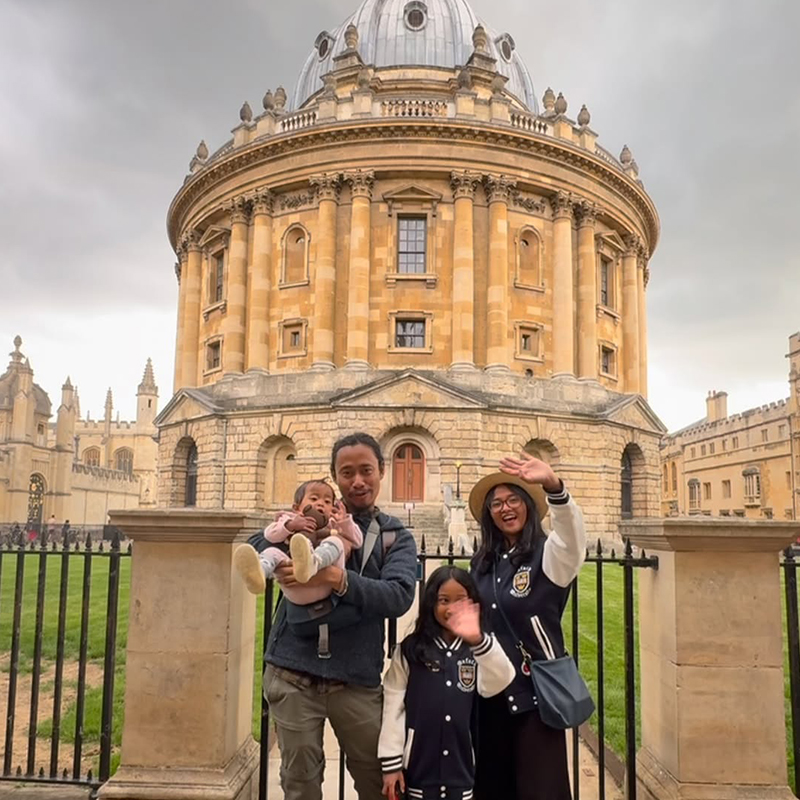
This incident has prompted deeper reflection on the program's rigidity.
Some voices, including diaspora alumni, argue for evolving the definition of "service" to include global contributions, such as Dwi's ongoing sustainability advocacy or Arya's marine research, rather than mandating physical return. In a nation striving for international presence amid its vast diversity, forcing repatriation might limit broader impact, they suggest.
Yet for many Indonesians, the episode highlights a fundamental expectation: those who benefit from public resources should prioritize giving back at home, especially when economic frustrations and social programs fuel public sensitivity.
Ultimately, the case of Dwi Sasetyaningtyas and her family serves as a flashpoint, blending personal family decisions with national policy, gratitude, and accountability in an era of global mobility and social media scrutiny.
It's worth noting that now, the Indonesian passport and the British passport have a clear difference in global travel freedom according to the latest Henley Passport Index data for February 2026.
The British passport ranks 7th worldwide, tied with countries like Latvia and Australia, granting visa-free or visa-on-arrival access to 182 destinations out of around 227 total. This high ranking reflects strong diplomatic ties and reciprocity agreements that allow extensive mobility across Europe, North America, much of Asia, Oceania, and many other regions with minimal prior visa requirements.
In contrast, the Indonesian passport ranks 62nd, tied with nations such as Morocco and eSwatini, providing visa-free or visa-on-arrival access to 72 destinations.
This places it in the mid-tier globally, with easier travel primarily within the ASEAN region in Southeast Asia, along with select countries in the Middle East, parts of Africa, and a few others. However, it faces visa requirements for most Western countries, including much of Europe, the United States, Canada, Australia, and many more.
The gap highlights broader factors like economic influence, international relations, and historical agreements that favor passports from developed nations.
While the British passport enables near-global ease of travel for tourism, business, or short stays, the Indonesian one is more regionally focused and often requires advance visa applications for major global destinations.




















































































































































































































































































