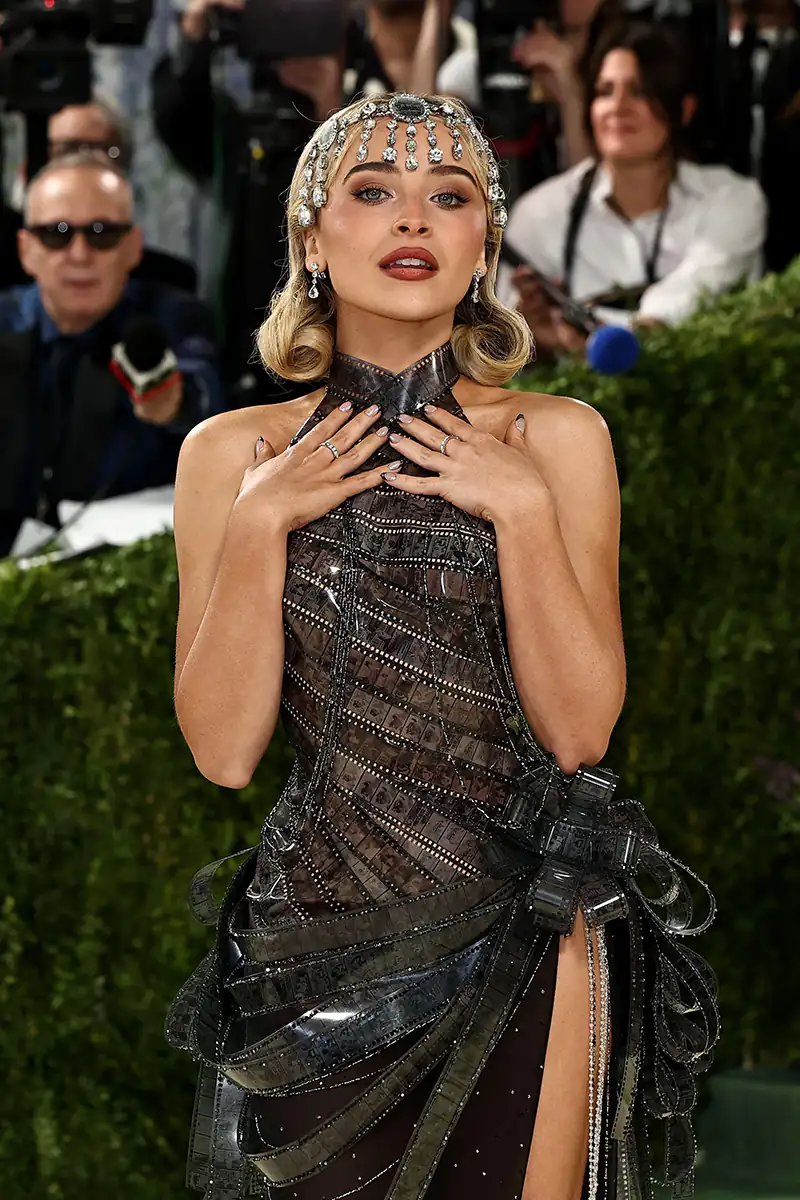
In the whirlwind of the 2026 Met Gala, where the theme "Costume Art" turned the red carpet into a living canvas of creativity, Sabrina Carpenter emerged as one of the night's undeniable highlights.
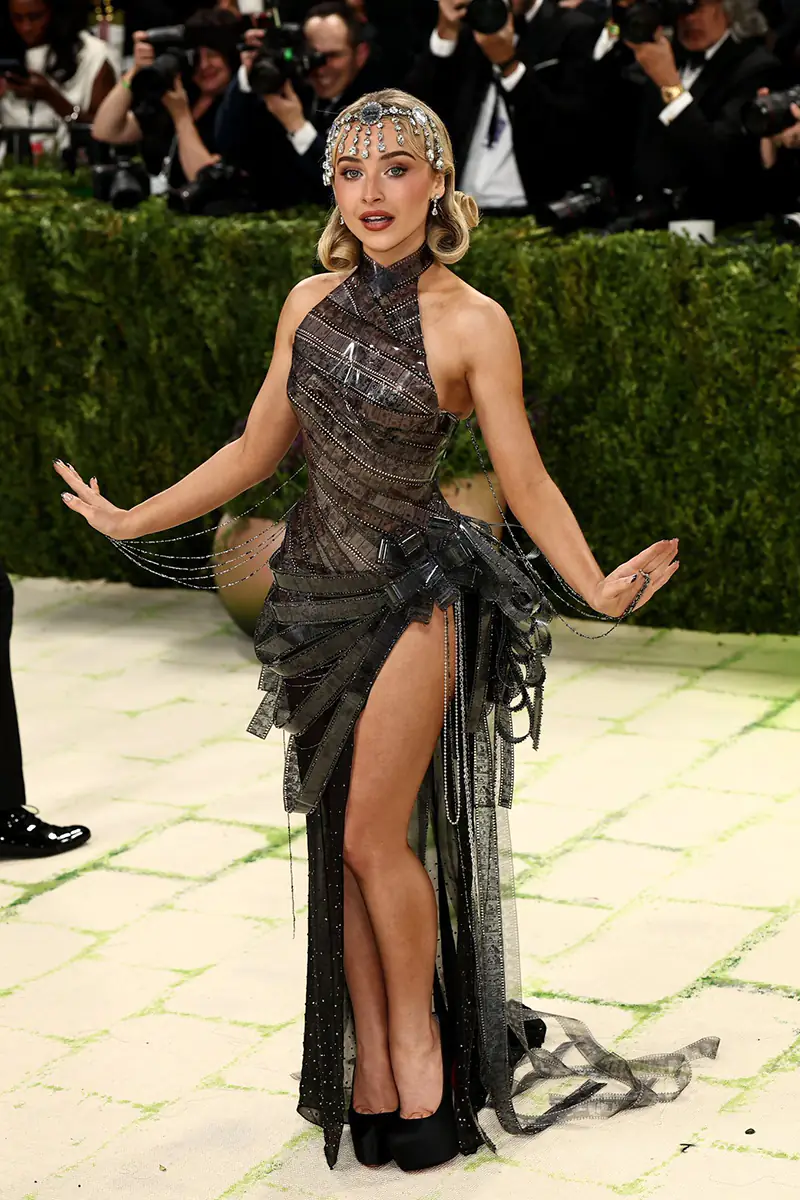
The pop star, serving as a host committee member, arrived in a custom Jonathan Anderson for Dior gown constructed entirely from strips of film reel featuring scenes from the 1954 movie Sabrina, paired with a sculptural faux bob hairstyle that evoked 1920s silent-film glamour and a jeweled headpiece dripping with diamonds.
She later changed into Versace and Bob Mackie looks for performances alongside Stevie Nicks, delivering hits like Espresso and House Tour while charming the crowd and cameras alike.
Major coverage focused overwhelmingly on her playful Old Hollywood transformation, her multiple outfit switches, and the cinematic ode to her namesake film, until someone on social media shifted the conversation in an entirely unexpected direction.
And all of a sudden, people started talking about that, and forget what was.
The 2026 Met Gala was help on May 4, 2026, at the Metropolitan Museum of Art in New York City.
Red carpet arrivals officially began around 5:30 p.m. ET and stretched well into the night, with the bulk of major stars, including host-committee members like Sabrina Carpenter, hitting the steps between roughly 6:30 p.m. and 8:30 p.m. ET. She stepped out in her custom film-reel gown right in the heart of prime coverage time, posing, turning, and giving the cameras exactly the cinematic Old Hollywood energy the Costume Art theme demanded.
And here, the post in question shared close-up images of Sabrina, purporting to show visible underarm hair in shots from her Met Gala appearance.
The internet being the internet, quickly consumed the context and soon, Sabrina's armpit hair became a trending topic on social media.
What followed was a classic internet pile-on mixed with an equally loud counter-push.
Some users expressed surprise or mild disgust, zooming in further and treating the alleged grooming choice as scandalous for a red-carpet event where smooth skin is the long-standing default. Others fired back immediately, calling the fixation "creepy," "weird," and emblematic of a culture that polices women's bodies while ignoring basic biology.
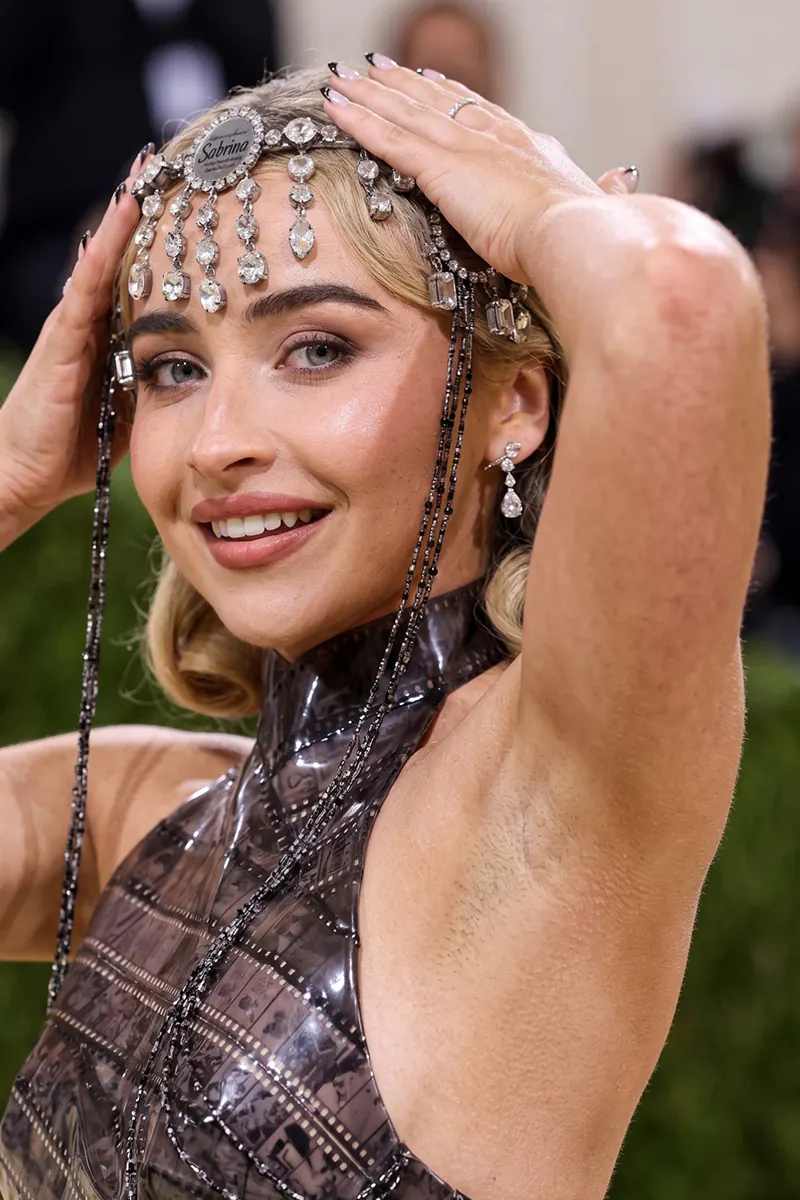
Replies ranged from straightforward defenses: "it's normal, we're all human," to pointed jabs at the posters' priorities, with many noting that the level of scrutiny required to even notice the detail said more about the observer than the observed.
A closer look, however, reveals the claim doesn't actually hold up against verified evidence.
This is because official high-resolution photographs from the Met Gala, distributed by Getty Images and featured across major fashion publications, show no visible underarm hair in Sabrina's red-carpet or onstage moments.
Community notes attached to the original post explicitly state that the images do not match official footage; similar claims have circulated before, often tracing back to edited concert clips or the wave of AI-generated Met Gala fakes that have become routine for big events. Outlets that covered the night in depth made no mention of any grooming controversy because there was none to report in the authentic imagery.
The viral photos appear to be manipulated or AI-assisted, a detail that only fueled the backlash once users started digging.
The episode's rapid spread says far more about 2026 internet dynamics than it does about Sabrina herself. Sabrina has cultivated a fanbase that values her cheeky, unfiltered energy, and the swift defense from supporters underscored a broader cultural shift: growing impatience with the expectation that female celebrities must be perpetually hairless, flawless, and available for microscopic judgment.
At the same time, the virality thrived on two evergreen internet fuels: celebrity gossip and body-shaming debates, amplified by the ease of AI edits that blur the line between real and fabricated.
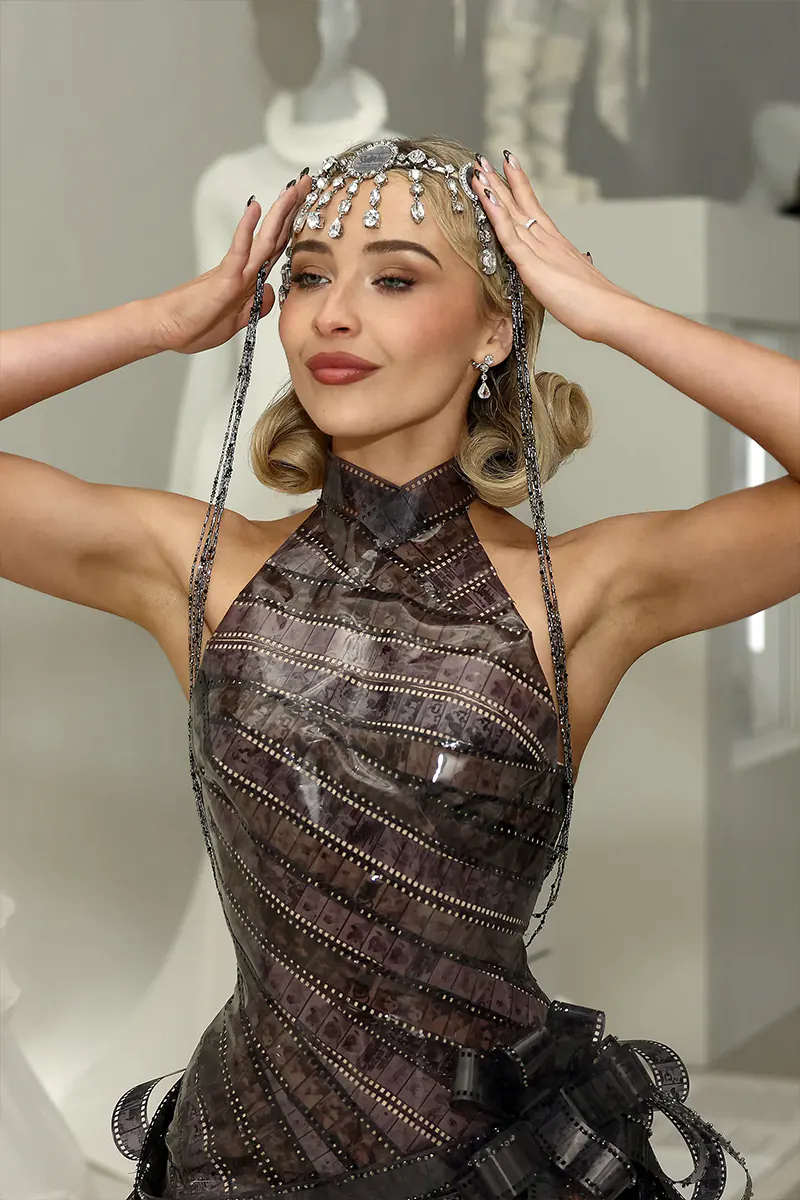
One moment Sabrina was being praised for her artistic dress and stage presence; the next, a zoomed-in crop dominated timelines, proving how quickly a glamorous night can be reduced to a single pixelated detail.
The replies that resonated most widely were the simplest: body hair is normal, the obsession is not, and perhaps it's time the internet found something more productive to zoom in on.
In the end, the whole saga distilled a familiar truth about fame in the social-media age: no matter how dazzling the gown or how creative the look, someone will always find a reason to scrutinize the person wearing it.
This time, the scrutiny landed on something as ordinary as body hair, and the loudest voices in the room reminded everyone that ordinary is exactly what makes us human.