Anything that is put on the internet, is at risk of being hacked.
No matter how good the security is, there is always the chance that hackers can hack into the system, steal something, and get away with it.
Because of this, cyber attacks are as prevalent as ever, forcing companies small and large to pay extra attention to their security practices.
The biggest name in cybersecurity at this time around, is Lapsus$, a hacker group that debuted by breaching Brazilian Health Ministry's computer systems and stole COVID-19 vaccination data. After that, the group breached big tech companies including Microsoft, Nvidia, Ubisoft, Samsung, and more.
And this time, it's T-Mobile.
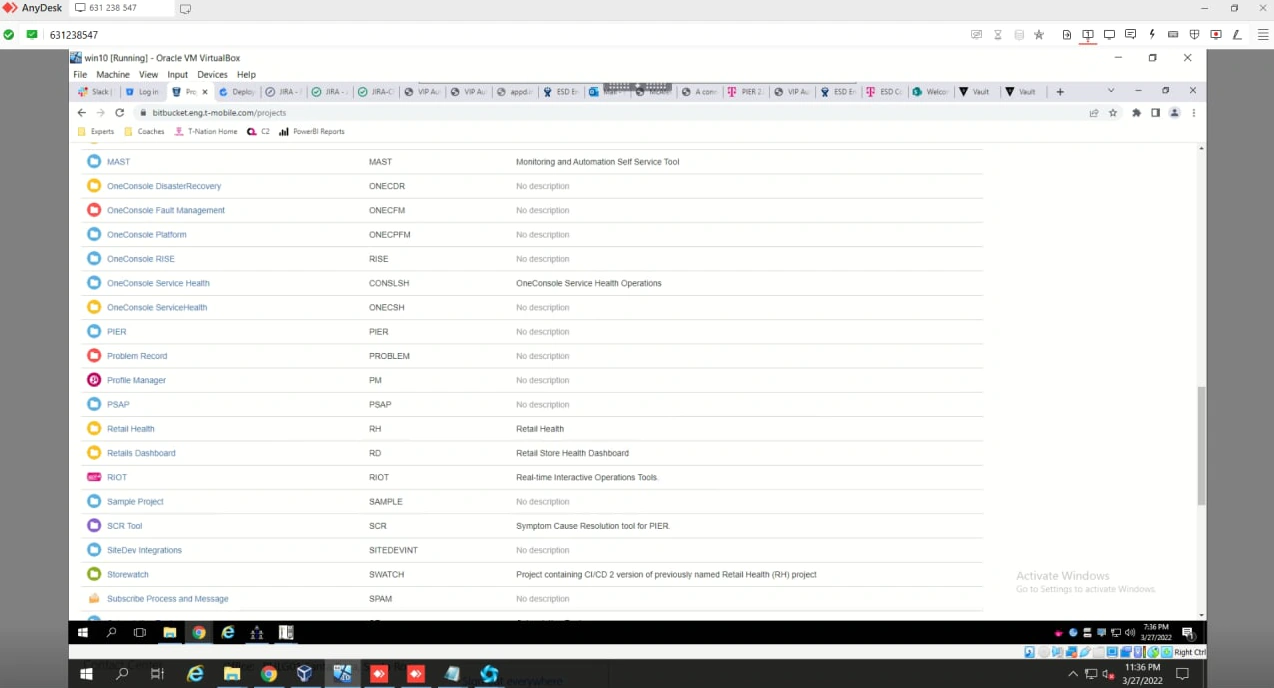
According to a report, Lapsus$ members managed to access basically all of the company's internal tools
As detailed by KrebsOnSecurity, the hackers were able to hack in to T-Mobile's system by utilizing stolen credentials of employees, obtained either by buying them leaked or through social engineering.
Through the logs, it was realized that Lapsus$ breached T-Mobile multiple times in March, stealing source code for a range of company projects, including the software needed to perform SIM swaps.
Lapsus$ also got their hands on Atlas, a software created for managing customer accounts, which the hackers used in an attempt to find T-Mobile accounts associated with the FBI and Department of Defense. Fortunately, this tool was blocked as the access needed additional checks.
Before apprehended, White, its alleged leader was unable to provide the details, and cannot access the tool as the result.
Eventually, White terminated his VPN connection that allowed the group to hack through the carrier's internal database before eventually running a script to download more than 30,000 source code repositories.
Fortunately, no customer or government information was stolen in the intrusion, T-Mobile said.
The telecommunications company said that it stopped the hacker group on their tracks, by shuttering the network they were in, and disabled the credentials used in the hack.

T-Mobile provided the following statement to KrebsOnSecurity:
Lapsus$ is known for stealing data and then demanding a ransom not to publish or sell it.
But according to the report, the leaked chats indicated that the hacker group is vigilante, and once obsessed with something, will continue pursuing it they succeed.
This breach is just another example of a security failure of a big company.
This event is just the tip of the iceberg when it comes to chat logs, doxxing, threats, and a general sense of paranoia.
White masterminded it, but with him under custody, the hacks continue.




















































































































































































































































































