The internet always loves drama. The more it's hot and debateable, the more people will choose sides, and play their roles in amplifying the noise.
In the span of just a few days at the end of April 2026, a single lawsuit filing in New York County Supreme Court exploded across social media, tabloids, and finance forums, promising the kind of salacious workplace drama that the internet devours without hesitation. A married junior banker, identified only as "John Doe" in the initial complaint, a man of color, accused Lorna Hajdini, a 37-year-old executive director in JPMorgan Chase's leveraged finance division, of turning him into her "office sex slave."
The details were grotesque and specific.
It was the perfect storm of power abuse, gender reversal, and absurdly vivid imagery.
Within hours, the story had racked up millions of views, memes, and outraged threads.The allegations painted a picture that felt ripped from a fever-dream revenge fantasy.

According to the suit, filed around April 27 or 28, the harassment allegedly began in spring 2024 after the plaintiff joined the leveraged finance team.
It supposedly escalated over months, with Hajdini leveraging her seniority to coerce John into humiliating acts while he begged her to stop.
Among other things, Hajdini is accused of repeatingly drugging John with Rohypnol and Viagra.
Rohypnol (flunitrazepam) is a powerful, intermediate-acting benzodiazepine sedative used legally in over 50 countries for severe insomnia and anesthesia but is illegal and unapproved in the U.S.. Widely known as a "date rape drug" or "roofies," it causes severe sedation, muscle relaxation, and profound anterograde amnesia (inability to remember events while under the influence). As for Viagra (sildenafil), it is a prescription medication used to treat erectile dysfunction (impotence) by increasing blood flow to the penis during sexual stimulation.
While these two drugs are two completely different medications with no overlapping medical uses, the man was allegedly forced to ingest these to meet Hajdini's demands.
Which include forced oral sex, facesitting, and toe-sucking.
These happened during her unannounced visits to his Manhattan apartment.
As his senior, Hajdini made career threats tied to his bonus, and racial slurs that included calling him "my little brown boy" or "little brown boy Indian."
The cherry on top, the line that seemed engineered for maximum virality, came when she allegedly stripped off her shirt, fondled her breasts, and sneered, "I bet your little Asian, fish head, wife doesn’t have these cannons."
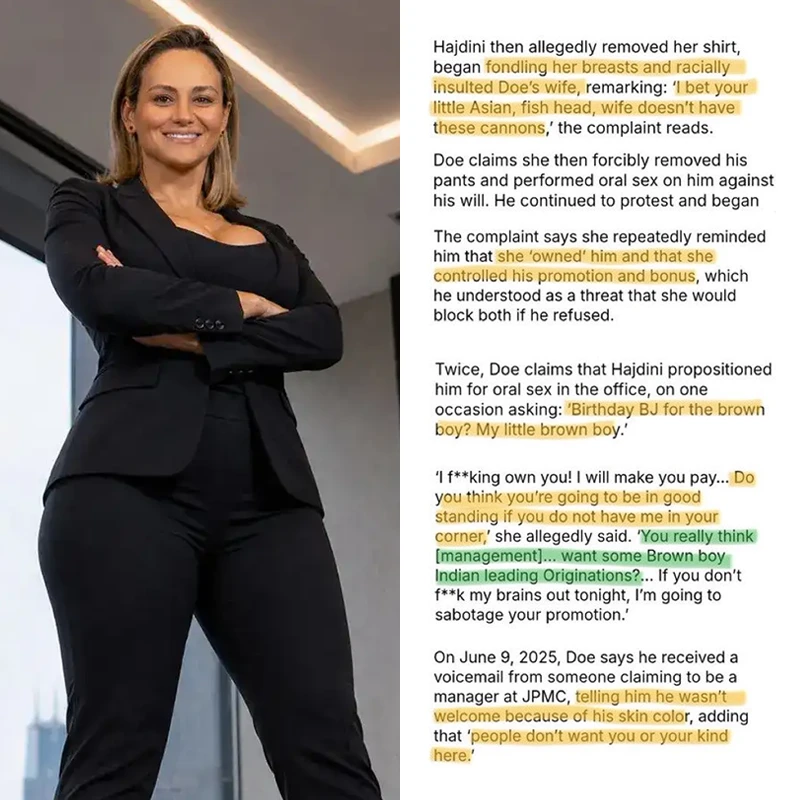
John Doe claimed that he was subjected to months of "severe sexual abuse," racial harassment, and professional coercion while working in the bank's Leveraged Finance division.
When he filed an internal complaint in May 2025, the bank was accused of retaliation while protecting her. As a result of this, the filing not sought damages for emotional distress, lost earnings, and reputational harm, but also named JPMorgan itself as a defendant for enabling the environment.
Media outlets, starting with the Daily Mail, quoted the now-retracted court documents verbatim, and the internet did the rest.
Instagram reels, X threads, Reddit megathreads, all amplifying the outrage and the titillation in equal measure.
For a moment, it seemed like a watershed case of reversed gender dynamics in finance, the kind of story that forces everyone to confront uncomfortable questions about power, consent, and workplace culture.
But within 48 hours the narrative collapsed under scrutiny.
Multiple sources, including an exclusive investigation identified the “John Doe” as Chirayu Rana, a 35-year-old former JPMorgan staffer who had since moved to a principal role at investment firm Bregal Sagemount. Rana, a Rutgers graduate and former basketball player with a peripatetic finance career that included stops at Houlihan Lokey, Credit Suisse, and Morgan Stanley, had not even reported directly to Hajdini.

They worked in the same leveraged finance group, but under different managing directors; she had zero authority over his bonus or promotions.
JPMorgan’s internal investigation conducted by HR and in-house counsel, involving reviews of emails, phone records, badge data, and interviews with fourteen employees, found zero evidence to support any of the claims.
"Following an investigation, we don’t believe there's any merit to these claims," said the bank in an issued blunt statement.
The statement followed Rana's refusal to participate in the probe or provide supporting facts. Hajdini herself, through her lawyers, categorically denied everything.
"Lorna never engaged in any inappropriate conduct with this individual of any kind and has never even been to the location where the alleged sexual assault supposedly took place." Her allies called the entire lawsuit a "complete fabrication," suggesting Rana may have been angling for a multimillion-dollar payout before resorting to court.
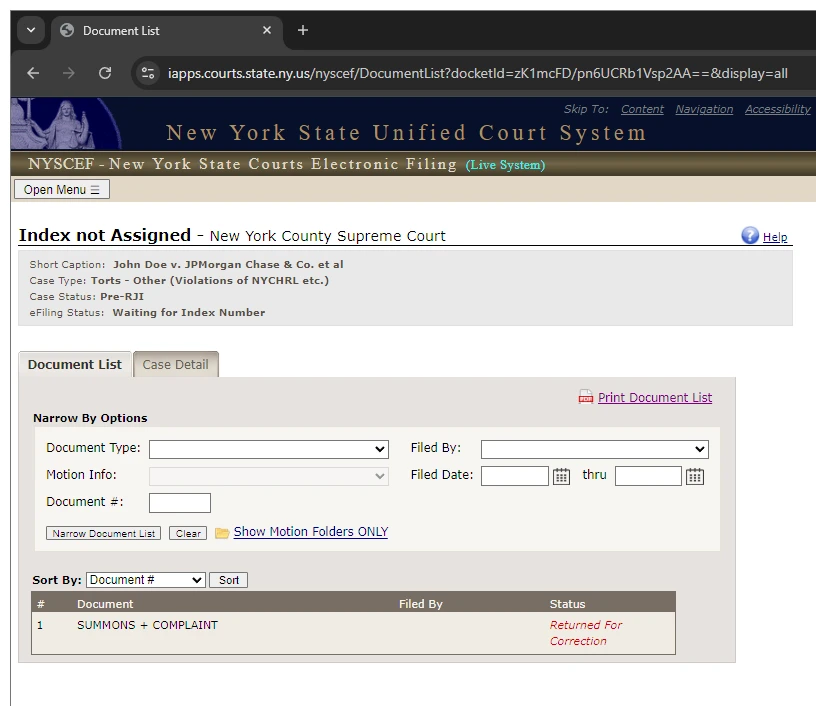
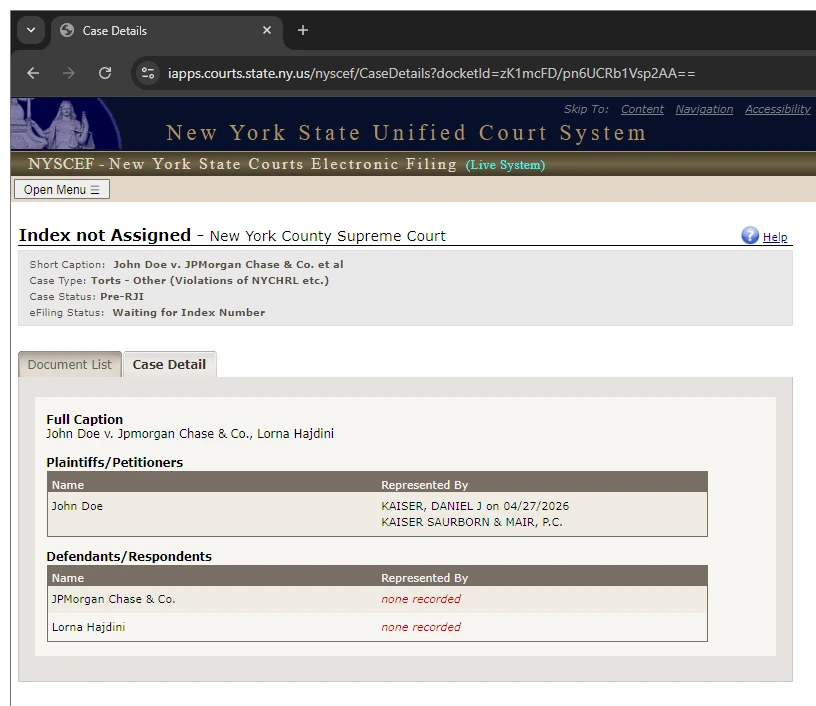
The original court document was quickly withdrawn "for corrections" and deleted after the Daily Mail quoted it, yet the damage to her reputation was already done.
Hajdini, an NYU Stern graduate who joined JPMorgan in 2011, rose to executive director in 2021, and has a clean professional record as a top performer in complex corporate financing deals, remains employed at the bank. She is also known outside the office as a wine enthusiast with a WSET Level 2 qualification and a volunteer with Minds Matter, a nonprofit helping underprivileged students.
The rapid unmasking revealed something familiar about how scandals spread online.
The story's lurid specifics: the "fish head" slur, the "cannons" boast, the drugging and toe-sucking, were so over-the-top that they should have invited immediate skepticism, yet they hooked audiences precisely because they flipped every expected script.
A powerful woman preying on a married Asian subordinate? Date-rape drugs in the finance bro world? It checked every box for engagement: shock value, identity politics angles, and the schadenfreude of watching Wall Street eat itself.
Whether the reality is the incident did happened or a fabricated tale from a disgruntled ex-colleague, what lingers is a reminder of the internet's insatiable appetite for the outrageous.
In an era where court filings enjoy absolute privilege and can be weaponized for attention before facts catch up, wild accusations travel at light speed while investigations crawl. It exposed far more about the collective minds on hunger for spectacle. Some stories are built to go viral not because they are true, but because they are too perfectly grotesque to resist.
And the internet, as always, was only too happy to oblige.






















































































































































































































































































