Social media is all about communication between one-to-many, many-to-one, and many-to-many.
Messages can contain anything—from mundane daily updates and viral dance clips to misinformation, outrage, or whatever the creator hopes will go viral. It’s a space where voices amplify, collide, and sometimes vanish into the noise. The beauty and the danger live in the same breath: anyone can speak, and anyone can be heard—instantly, globally, and often uncontrollably.
But one of the messages that is the most concerning and the most brushed off, is messages about warnings and threats.
One of the case where a threat really came true, happened a music festival in France.
The threats became a real nightmare to more than a hundred victims.

Fête de la Musique is the night France turns into one giant, melodic playground.
Held every year on June 21st, Fête de la Musique (literally “Music Festival” or “Festival of Music”) is a nationwide celebration where streets, cafés, parks, courtyards, and even balconies come alive with free live music. It's not just a concert—it’s a cultural movement. Both amateur and professional musicians are encouraged to perform, and the entire atmosphere is one of spontaneity, joy, and inclusiveness.
It began in 1982, initiated by France’s Ministry of Culture, and has since spread to over 120 countries around the world. But in France, it still holds a particularly magical charm: no tickets, no barriers, no genres off-limits—from classical quartets in churches to DJs in courtyards to kids with guitars on sidewalks.
In the French capital of Paris alone, authorities reported that there were three to four times as many people in public as normal.
Fête de la Musique is literally an event where millions of people hit the public area to the enjoy the crowd, music and food.


Then the warnings came.
According to local news outlets, these messages threatened that women attending the celebrations would be targeted—specifically, "attacking and stinging women".
On TikTok, social media influencer Abrège Soeur, was one of the first to publicize the warning, saying that "Men are planning to attack and sting women at the Fête de la Musique on June 21st."
At first, many brushed off the threats as trolling or digital noise.
Then, the threats materialized.
On the night spanning Saturday, June 21, into Sunday, June 22, women in multiple cities, including Paris, Metz, Tours, Évreux, Rouen, and others began reporting a terrifyingly similar experience: they had been jabbed with a syringe.
By the end of the festival, around 150 victims had come forward from various districts, all describing unexpected needle pricks in crowded public areas. The victims, all women—mostly in their teens and twenties—had no known connection to one another.
The first reported attack occurred in the city of Metz, at approximately 9:15 p.m. local time.
Some victims were taken into care and sent to hospitals for toxicological analyses, according to the Ministry of the Interior.
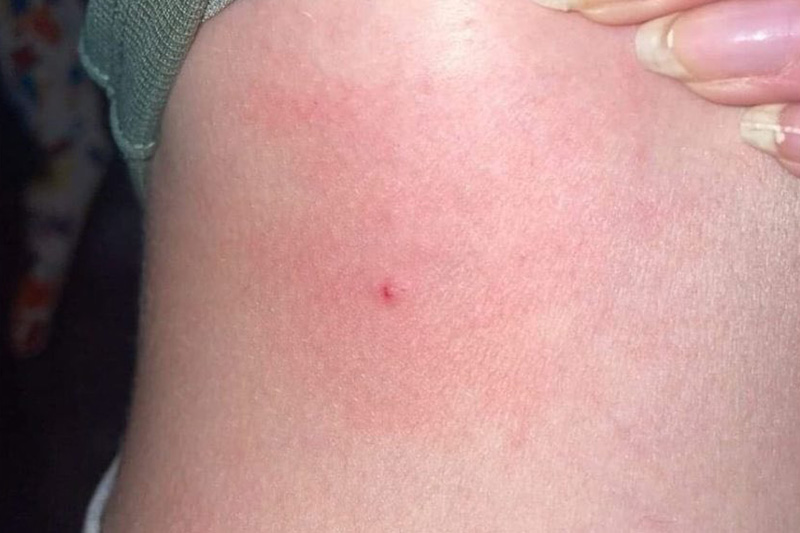
Law enforcement launched investigations nationwide, successfully arresting around twelve suspects. In Metz, two men were detained after multiple victims were hospitalized, and in Paris, several more arrests were made.
Authorities are also reviewing phone and video evidence.
Initially, confirmatory proof of injected substances was limited. But medical professionals conducted toxicology were focused on testing hospitalized victims for drugs like GHB or Rohypnol. Typically, attackers inject victims with these date-rape drugs in the arm, leg or buttocks. Effects of this substance will make victims disoriented and vulnerable to assault.
Although several individuals reported illness and required medical evaluation, no conclusive traces of such drugs have been found.
After more investigation, the syringes turned out to be empty or replaced with harmless items like sewing pins or compasses.
In other words, the attacks are designed to instill panic rather than administer drugs.
"Risks are always present in wild. ... However, we had to deal with syringe attacks," Mayor François Grosdidier said in a post on Instagram.
Public reaction has been mixed: some view it as a coordinated harassment campaign fueled by misogynistic online content, while others believe it's a case of mass psychogenic fear, amplified by rumors and anxiety.
Laurent Nunez, the Paris prefect of police, said in an interview that the police were taking reports seriously, but also with caution.
"This is not a new phenomenon," he said.
This is because the incidents echo earlier needle-pricking scares in France’s nightlife from 2021–2022, where hundreds of reports—mostly unsubstantiated—created widespread concern in clubs and festivals across the country.
At the time, the French government put out alerts advising people to stay vigilant, go to the police, and take a toxicology test if they suspected they had been drugged by a needle prick.
So here, though no drugs were reliably detected, each wave reignites public anxiety and prompts renewed safety efforts at events.
This alarming episode during Fête de la Musique underscores a troubling intersection of digital incitement, mass fear, and real-world chaos. Whether driven by malicious intent or collective panic, these syringe attacks serve as a stark reminder: vigilance and swift public response are essential in the age of viral threats.














































































































































































































































































