Large language models (LLMs) have came a long way, and the technology has changed many things, including how the web itself.
Since the arrival of OpenAI's ChatGPT and other generative AI tools marked a subtle but profound shift in how people seek information online. For decades, web search relied on concise keywords and phrases typed into a search bar, with users scanning lists of blue links to piece together answers themselves.
Then AI chatbots introduced a new way of interacting: full sentences, detailed questions, follow-up clarifications, and natural conversation.
People began asking for comparisons between products, step-by-step explanations of complex topics, summaries of lengthy concepts, or even analyses that weighed pros and cons.
This habit, built through repeated use of tools that responded conversationally and delivered synthesized answers, carried over into traditional search engines. Users who once typed two or three words now entered longer, more descriptive queries because they had been trained to expect search to understand intent the way a helpful assistant would.
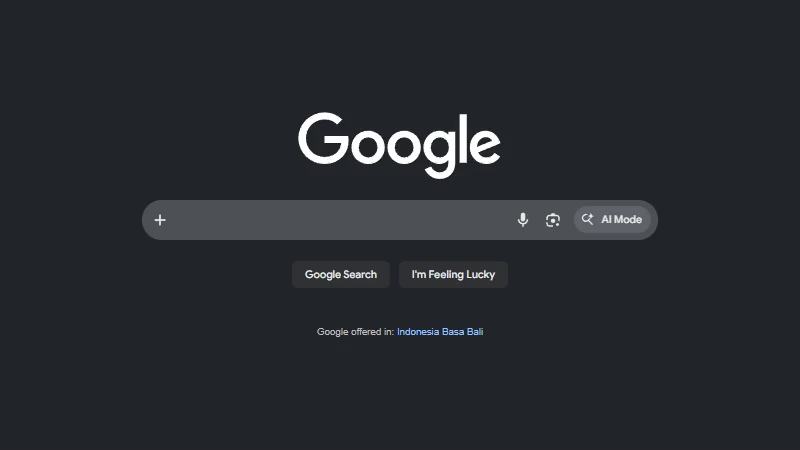
Google, which handles the vast majority of searches worldwide, faced this change head-on.
It responded with the most significant evolution of its core product in twenty-five years, introducing an intelligent, AI-enhanced search experience capable of handling extended inputs, images, files, and even ongoing dialogue. The search interface itself adapted to accommodate fuller expressions of need, while a dedicated mode supported back-and-forth conversation.
On average, queries in this conversational mode run significantly longer than standard ones, and features allowing users to search by photo or on-screen selection have seen substantial growth.
Data from large-scale analyses show that searches with eleven words or more have increased noticeably, and the share of conversational, question-style queries has risen sharply.
Although many everyday lookups still use short phrases, the overall direction is clear: people are bringing the expectations shaped by AI chatbots into every search they perform.
This development reflects more than a minor tweak in technology.
It represents a fundamental change in human information-seeking behavior that now operates on a global scale.
Because Google dominates search across continents and cultures, the habits formed in one region quickly influence patterns everywhere. A student in Southeast Asia, a professional in Europe, or a shopper in North America increasingly approaches the web with the same conversational mindset.
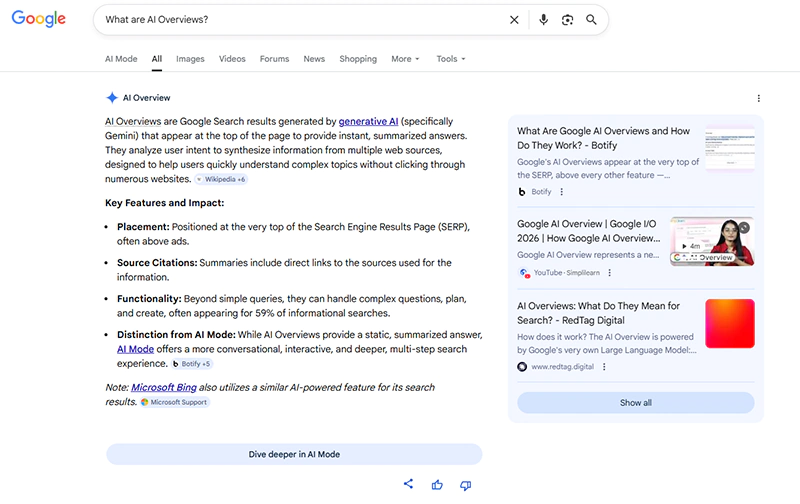
What began as an experiment with AI assistants has become the default way many people articulate their curiosity or solve problems.
They no longer worry as much about crafting perfect keywords. Instead, they describe what they want in plain language, expecting the engine to interpret context, nuance, and follow-up needs. The result is a worldwide shift from catalog-style lookup to dialogue-driven discovery, reshaping how billions of people access knowledge, make decisions, and navigate daily life.
At the same time, this evolution has created a hybrid search ecosystem.
Many users start their journey in an AI chatbot for exploration, brainstorming, or initial synthesis, then turn to Google for verification, current facts, transactions, or deeper primary sources.
Studies of clickstream data reveal that a meaningful portion of traffic from AI platforms still flows onward to traditional search results.
The two tools complement rather than fully replace each other. Chatbots excel at handling open-ended or multi-part questions without requiring users to visit multiple pages, while Google remains unmatched for speed, breadth, and direct connections to the living web. This back-and-forth behavior underscores that the training effect of AI is not eliminating traditional search but expanding and refining it.
For website owners, publishers, and content creators, the implications are immediate and lasting.
When search engines surface synthesized answers or overviews at the top of results, overall click-through rates to external sites can decline for certain queries.
Yet the traffic that does arrive tends to come from users with clearer intent and higher engagement. Visitors who reach a page after a conversational search are often further along in their decision process, more likely to read thoroughly, complete actions, or trust the source. Google itself continues to emphasize that it still directs billions of clicks daily to human-created websites, underscoring that high-quality content remains essential fuel for both AI systems and human readers.
Websites must therefore evolve their approach to stay visible and valuable in this new environment.
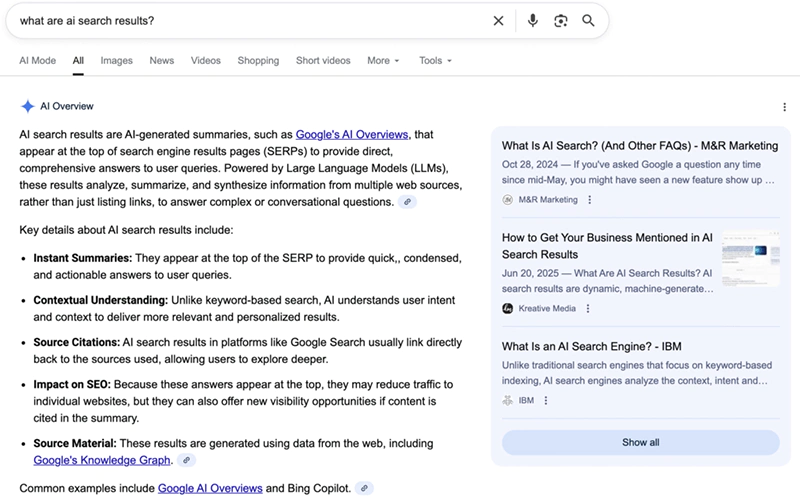
The foundation remains the creation of original, authoritative material produced by people with genuine expertise.
AI models draw heavily from credible, well-structured sources, so depth and accuracy matter more than ever. Content that provides comprehensive explanations, original research, unique data, or thoughtful analysis stands a better chance of being referenced or cited in AI-generated responses. Clear organization helps too: logical headings, bullet points, tables, and concise summaries allow both humans and machines to extract key insights efficiently without losing the richness of full context.
Beyond structure, successful sites focus on satisfying the expanded range of user intent that conversational search reveals.
Instead of optimizing solely for short keywords, creators should anticipate longer, more specific questions and address them directly.
This might mean publishing detailed guides that compare options, answer common follow-ups in advance, or explore related subtopics that users are likely to ask about next.
Timeless value becomes a competitive advantage: evergreen articles that remain useful months or years later perform strongly because they reward both immediate readers and the AI systems that surface them repeatedly. At the same time, sites benefit from monitoring not just traditional referral traffic but also how their content appears in AI summaries and conversations, adjusting to ensure they maintain a strong presence across both channels.
Yesterday at #GoogleIO, we introduced the biggest upgrade to our iconic Search box in over 25 years. Here’s what to know about the new, intelligent Search box:
More intuitive than ever, the new Search box will dynamically expand to give you space to ask whatever’s on your… pic.twitter.com/yUP3Oi0N7y— Google (@Google) May 20, 2026
The broader trend points toward a web that feels more interactive and responsive.
People no longer treat search as a passive directory; they engage it as a thinking partner. This change encourages creators to move beyond surface-level listicles toward substantive, trustworthy work that adds real insight. It also rewards transparency, because users who have grown accustomed to conversational tools develop sharper instincts for spotting generic or low-effort material.
In this landscape, the most effective response for any website is to double down on human strengths: curiosity, experience, originality, and the ability to connect ideas in ways that purely statistical models still struggle to replicate fully.
Ultimately, the way ChatGPT and its successors trained people to search differently has pushed the entire information ecosystem toward greater sophistication.
Google's adaptation mirrors a larger transformation that affects every corner of the internet.
For those who produce and publish content, the path forward lies in embracing this reality without fear. By creating material that meets higher standards of depth and clarity while preserving authentic voice, websites can thrive even as search itself becomes more conversational.
The open web endures, but it now serves users who ask better questions and expect richer answers. Those who listen to this evolution and respond with thoughtful, enduring content will continue to reach audiences effectively for years to come.






















































































































































































































































































