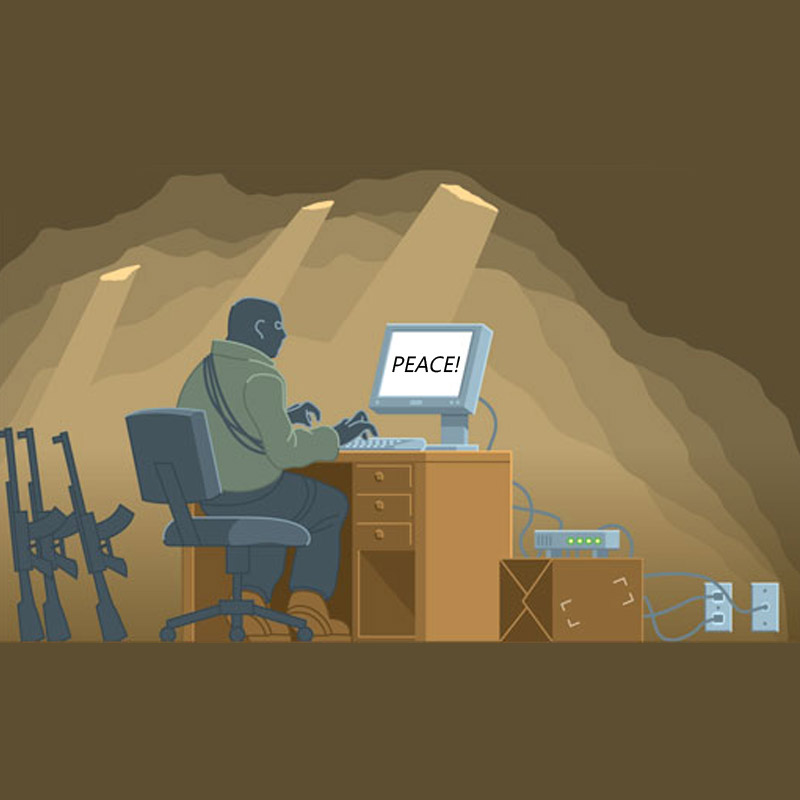
Facebook, Microsoft, Twitter and YouTube are announcing the formation of the Global Internet Forum to Counter Terrorism. The partnership aims to reduce the accessibility of internet services to terrorists.
Together, the four tech giant partnership adds structure on top of existing efforts by the companies to target and remove materials for terror groups from major web platforms.
To do this, they collaborate on engineering solutions to the problem, sharing content classification techniques and effective reporting methods for users. Each of the companies aim to contribute to both technical and policy research, as well as sharing the best practices for counterspeech initiatives.
The plan for the partnership can be dated back to December 2016. At the time, Facebook, Microsoft, YouTube and Twitter announced the creation of a shared industry hash database.
The information from the hashes are shared between the four where they can collectively identify terror accounts without each having to do the work independently.
The Global Internet Forum to Counter Terrorism here is creating a formal bureaucracy for improving that database. It further solidifies the relationship between the four companies in their fight against hostile terrorist groups and violent extremists.
To fight terrorism, the Forum focuses on three central ideas:
-
Technological solutions: Using machine learning, the companies plan to design and implement new content detection and classification techniques to determine what types of content should be removed.
-
Research: Commissioning research to guide future technical and policy decisions.
-
Knowledge-sharing: Working with government, civil groups, academics, and other companies to further the goals and develop best practices for dealing with extremist content.
To boost the effort, the four companies are also reaching smaller companies and organizations, to help them do what they are doing. The smaller companies can then use their own strategies to adopt the plan for fighting terrorism.
Part of this training include strategies for executing counterspeech programs like YouTube's Creators for Change and Facebook's P2P and OCCI.




















































































































































































































































































