
When people think of Google’s business empire, their minds jump to search engines, Android, YouTube, or perhaps AI.
But beneath it all, humming quietly and steadily, is AdSense—the product that helped Google become an advertising giant. AdSense is also the platform that kept millions of websites, blogs, and creators afloat. By allowing websites and blogs to earn money by placing ads served by Google, AdSense is essentially the engine behind free content.
To be able to do this, Google will insert ads, powered by the company's complex algorithms that analyze content, the audience’s interests, and their behavior to serve personalized, relevant ads.
In doing so, AdSense transforms a regular webpage into a monetized space, creating income streams for sites that might otherwise struggle to stay alive.
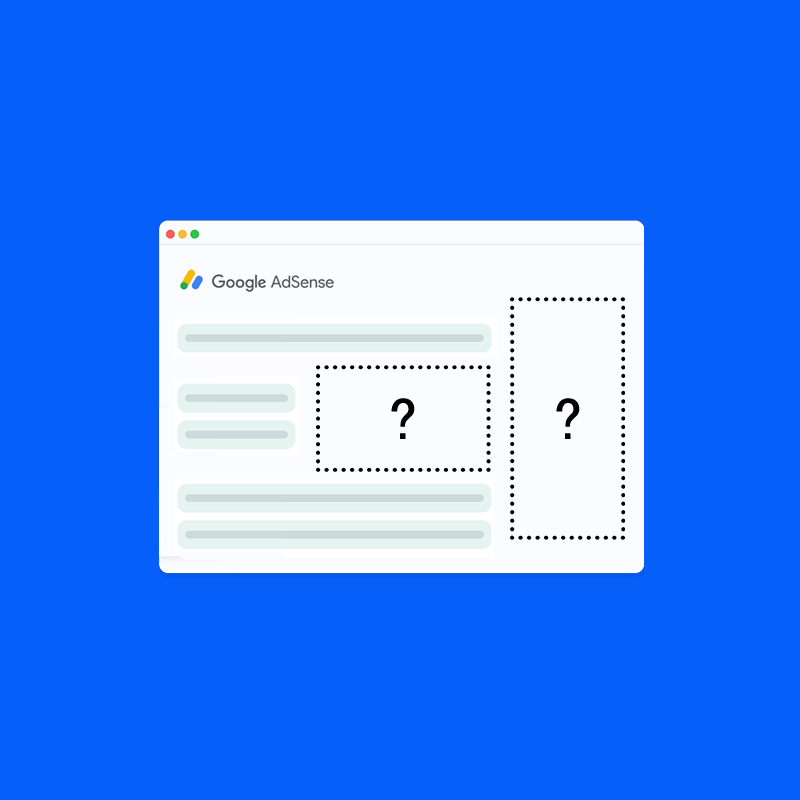
The thing is, not all ad space is filled. There are times when Google cannot show ads on a given page.
Google wants to change this, with what it calls the 'Fill Empty In-Page Ads.'
In a dedicated support page, Google said that:
To turn the feature on, Google is adding a new setting called Fill empty in-page ads to the "Ad serving" page in Blocking controls. Users don't need to take any action, because Google is turning this setting on for all publishers over the next 30 days.
When the feature is turned on, publishers can have their unfilled ad space filled with:
- Contextually relevant suggestions: Instead of leaving ad space blank, AdSense might display content recommendations tied to the webpage topic—think links to recipes, tools, or ingredients on a baking site. If a user clicks one, a dialog box may then show display ads relevant to that suggestion.
- Enhanced ad targeting strategies: Additional backend techniques are also under review to improve future ad matching and boost long-term revenue.
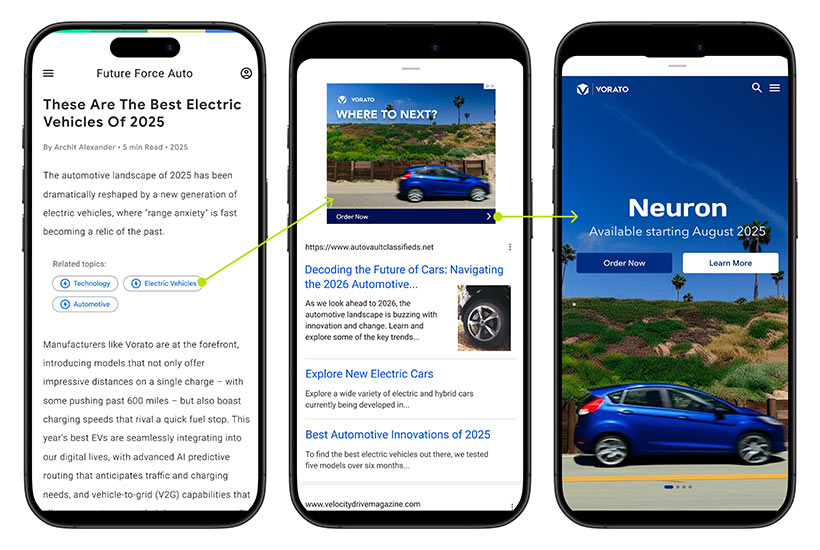
An unfilled ad space happens when AdSense can't find a suitable ad to display in a specific slot on a publisher’s page. When that happens, the space remains blank—no ads, no revenue—even if the page receives high traffic.
Because every blank ad represents a missed opportunity to generate revenue, Google has been exploring ways to protect publisher earnings by making better use of empty ad inventory.
And here, Fill Empty In-Page Ads is an optimization setting in AdSense, designed to help publishers unlock more value from every pageview, by automatically monetize those unfilled display ad spaces.
Fill empty in-page ads feature represents another step in Google's strategy to balance automation with publisher preferences across different website properties.
With AdSense still considered a vital income stream for many small publishers, revenue received from it often marks the difference between a passion project and a sustainable online business.
With features like Fill Empty In-Page Ads, Google aims to give newer websites—especially those with niche content or low initial demand—a better chance to monetize and grow.