
People do just about anything on and through their phones, and here, it's business as usual.
Google has the Play Store, and it's a home to millions of different apps, meant to cater different needs, and help users in what they want to do. The thing is, not everything out there is good and useful. Google knows this, and wants to purge them.
In an updated policy, Google said that it's cracking down on low-effort apps on the Play Store.
In its Spam and Minimum Functionality policy, Google said that:
Explaining it further, the company said that apps it's after, include those with limited functionality and content.
"We do not allow apps that only have limited functionality and content," said Google.
Examples of common violations, include apps that are static without app-specific functionalities, for example, text only or PDF file apps; apps with very little content and that do not provide an engaging user experience, for example, single wallpaper apps; and apps that are designed to do nothing or have no function.
Google also said that it has no tolerance on apps with broken functionality.
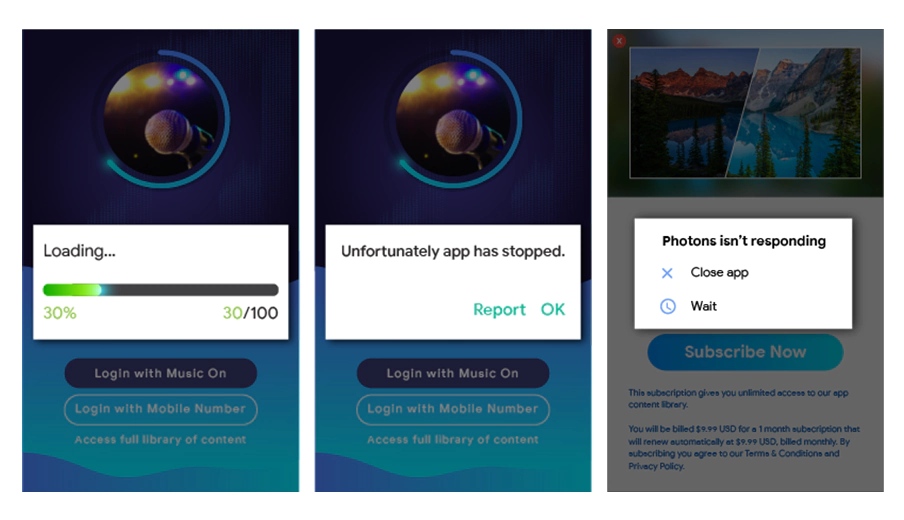
"We don’t allow apps that crash, force close, freeze, or otherwise function abnormally," said Google.
Examples of common violations, include apps that don't install, apps that install but won't load, and apps that load but aren't responsive.
According to the company, these apps fail to provide even the most basic level of functionality and what that means, they are low in quality and should be removed.
It's worth noting that Google has a fairly strict vetting process for Android apps before they’re allowed to be listed in the Play Store.
But developers seem to get away with it, with bringing their low-quality apps to the app store, earn money, and ruin the image of Android.
This is why in the updated Spam and Minimum Functionality policy, the company wants to ensure that apps that are currently part of the Play catalog provide users with a quality user experience.
Google notes that "apps should provide a stable, responsive, and engaging user experience."
While this might seem like a big change, removing and restricting apps isn’t new for Google.
Google has done it before, and has done it again.

















































































































































































































































































