There is no doubt that TikTok exists in a league of its own, occupying a cultural position so powerful that even Instagram envies it.
Very little compares to it. Thanks to its hyper-tuned algorithm and the eerie precision of the For You Page, TikTok doesn't just show content. Instead it studies its users. One scroll turns into ten, ten into an hour, and somehow every video feels handpicked by a friend who understands users' exact sense of humor, niche interests, and whatever oddly specific phase they're currently in.
Unlike platforms built around followings, TikTok flipped the model. Discovery comes first.
That gives creators without massive audiences a real shot at visibility, keeping the feed fresh, chaotic, and wildly diverse. One moment it’s life hacks, the next deep social commentary, then a dance trend, then a hyper-specific meme only three corners of the internet truly understand.
That constant discovery loop is the magic. Instagram often feels curated and polished; TikTok feels alive — messy, creative, unpredictable, and authentic. Trends are born there, music breaks there, slang spreads there. It’s no longer just a social media app; it’s a culture engine.
Gizmo wants to be that.
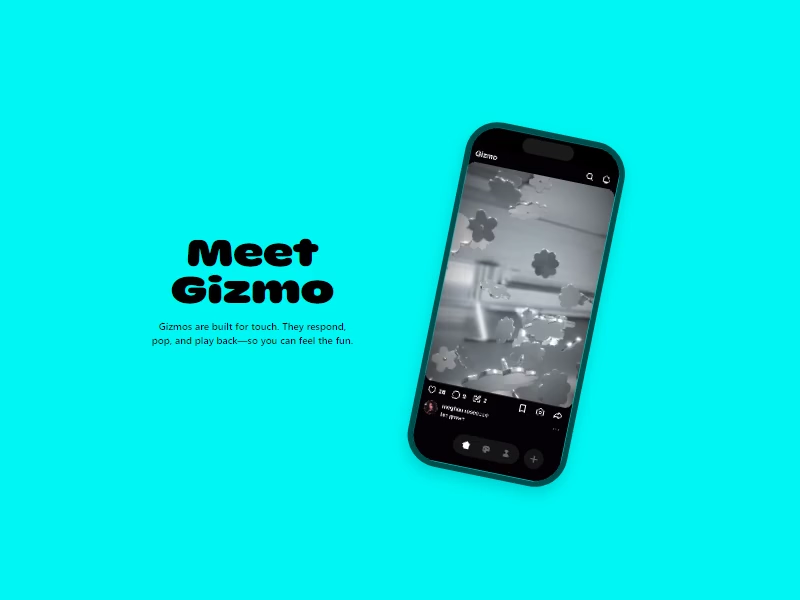
Meet Gizmo: a new way to make playful, personal software—right from your phone.
No code. No desktop. Just your camera, your fingers, and a good idea.
[1/7] pic.twitter.com/gVIF29o4de— Gizmo (@MakeGizmos) August 18, 2025
But instead of short-form video, Gizmo is betting on something more interactive.
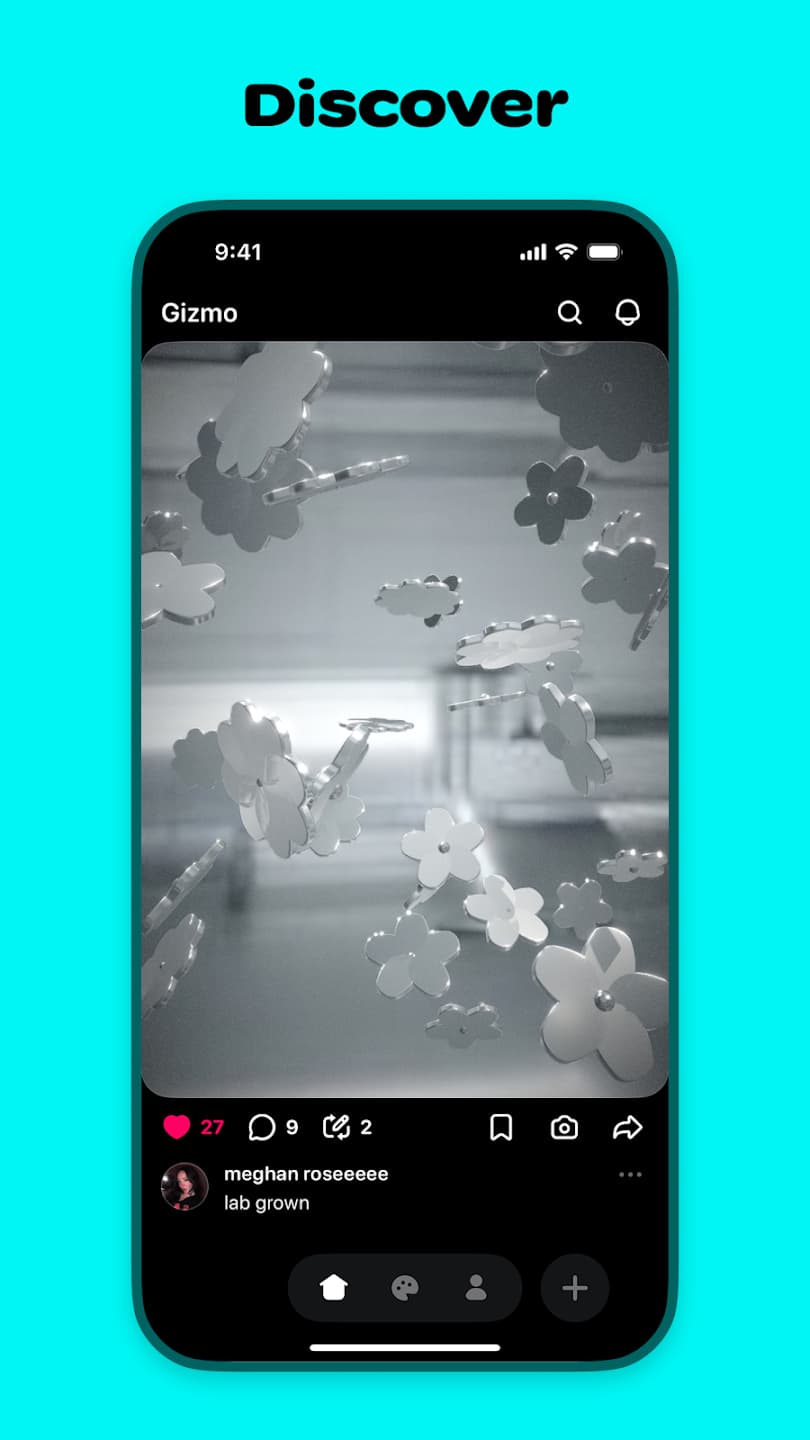
And that is by blending TikTok-style vertical scrolling with a key twist: users don't just watch, they play. Each post is a bite-sized interactive experience that responds to taps, swipes, drags, and touches. What looks like a feed becomes a playground of mini-apps.
Developed by New York–based startup Atma Sciences, Gizmo lets anyone create these small digital experiences without writing traditional code.
At the center is what the company calls "vibe coding," a natural-language system where users simply describe what they want to make. Prompts like "a 90s cartoon quiz that reacts to taps" or "a meme where the face follows your finger" are translated by built-in AI into working interactive pieces, complete with visuals, animation, logic, and touch responses.
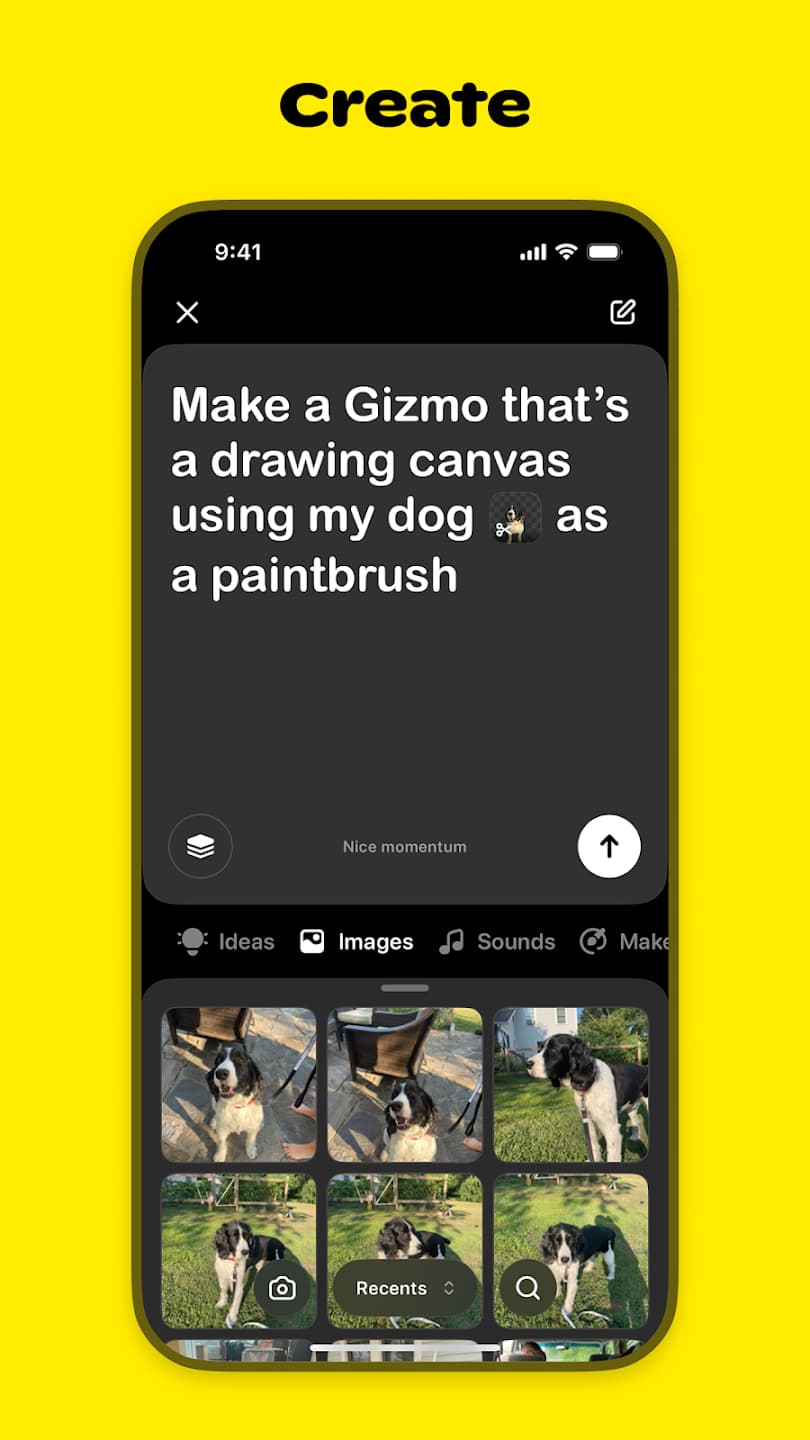
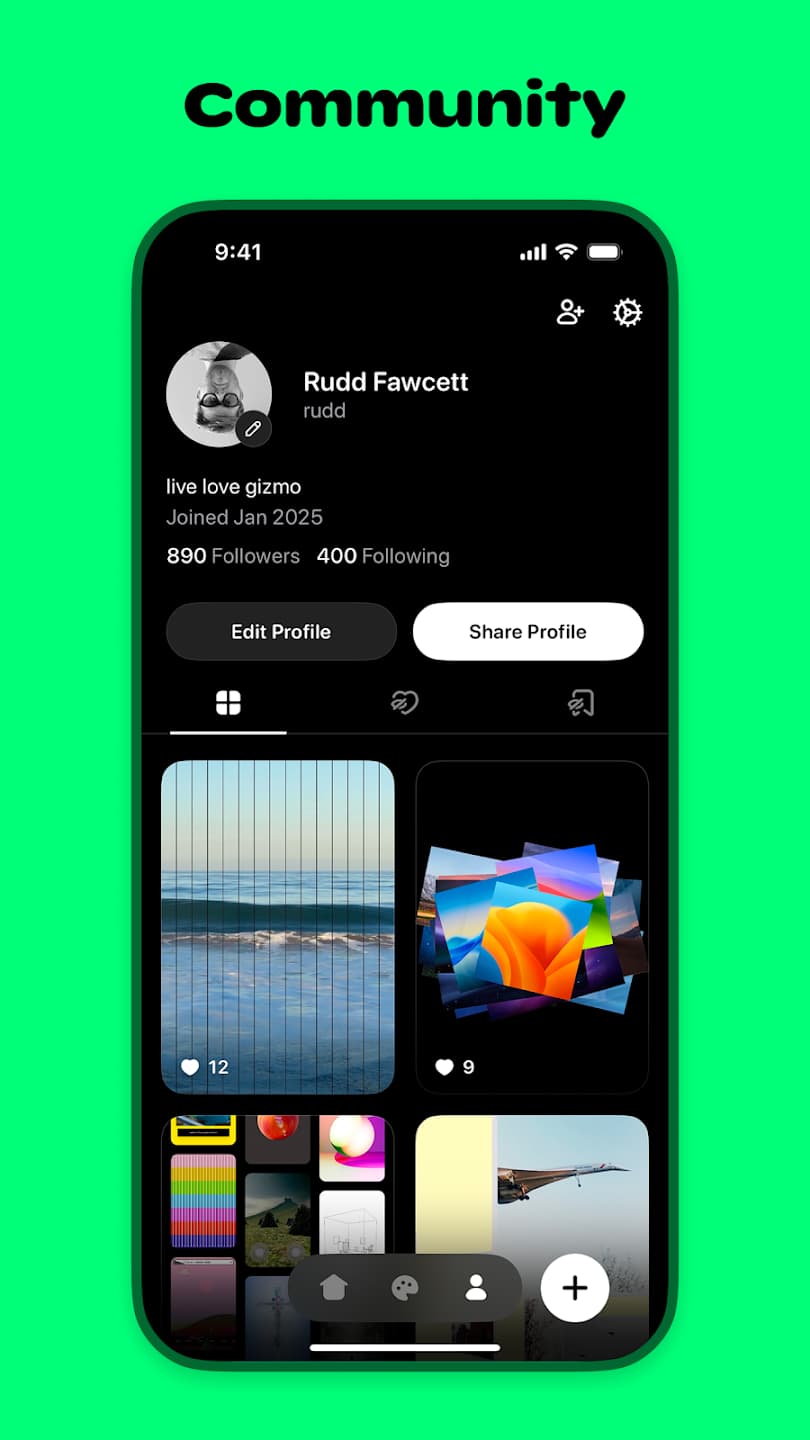
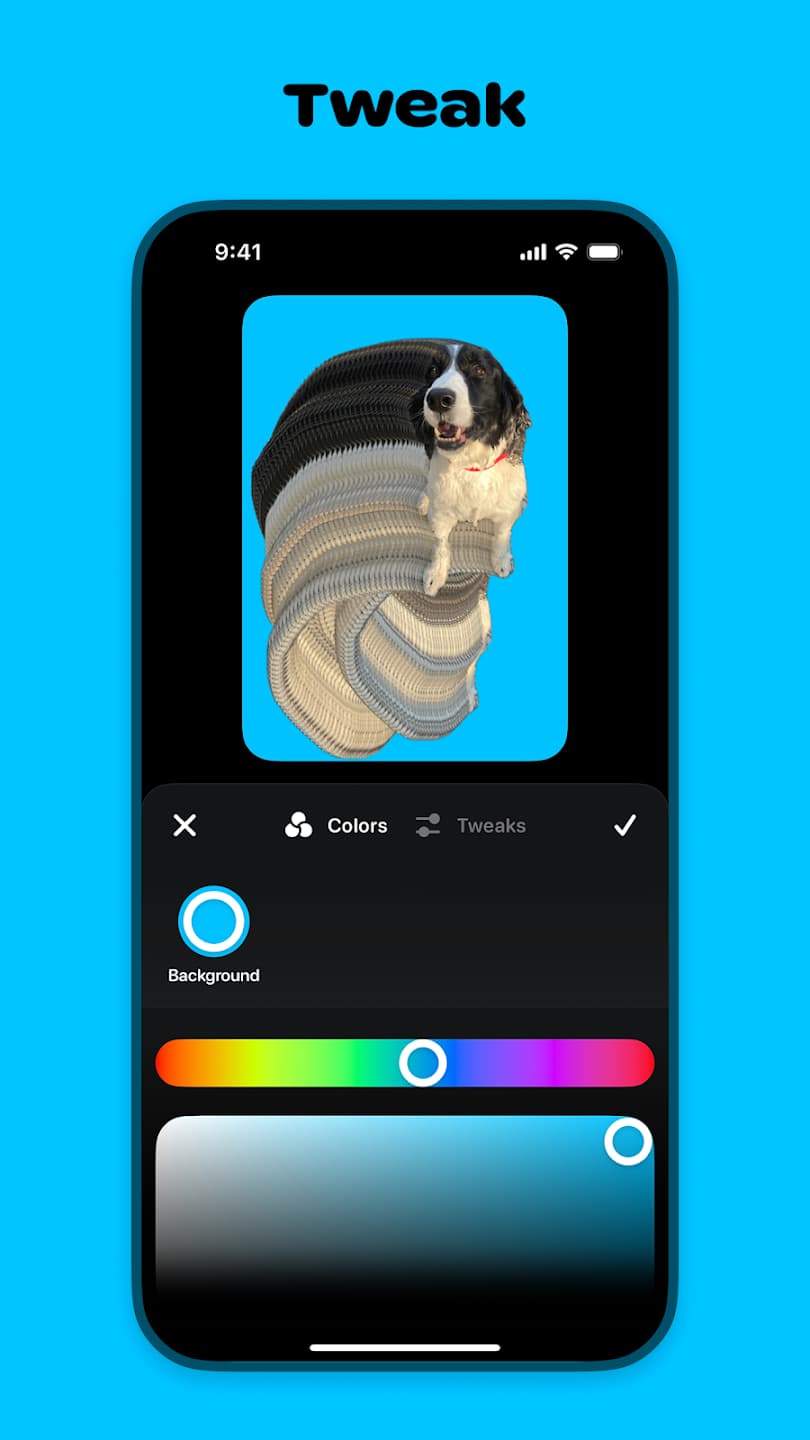
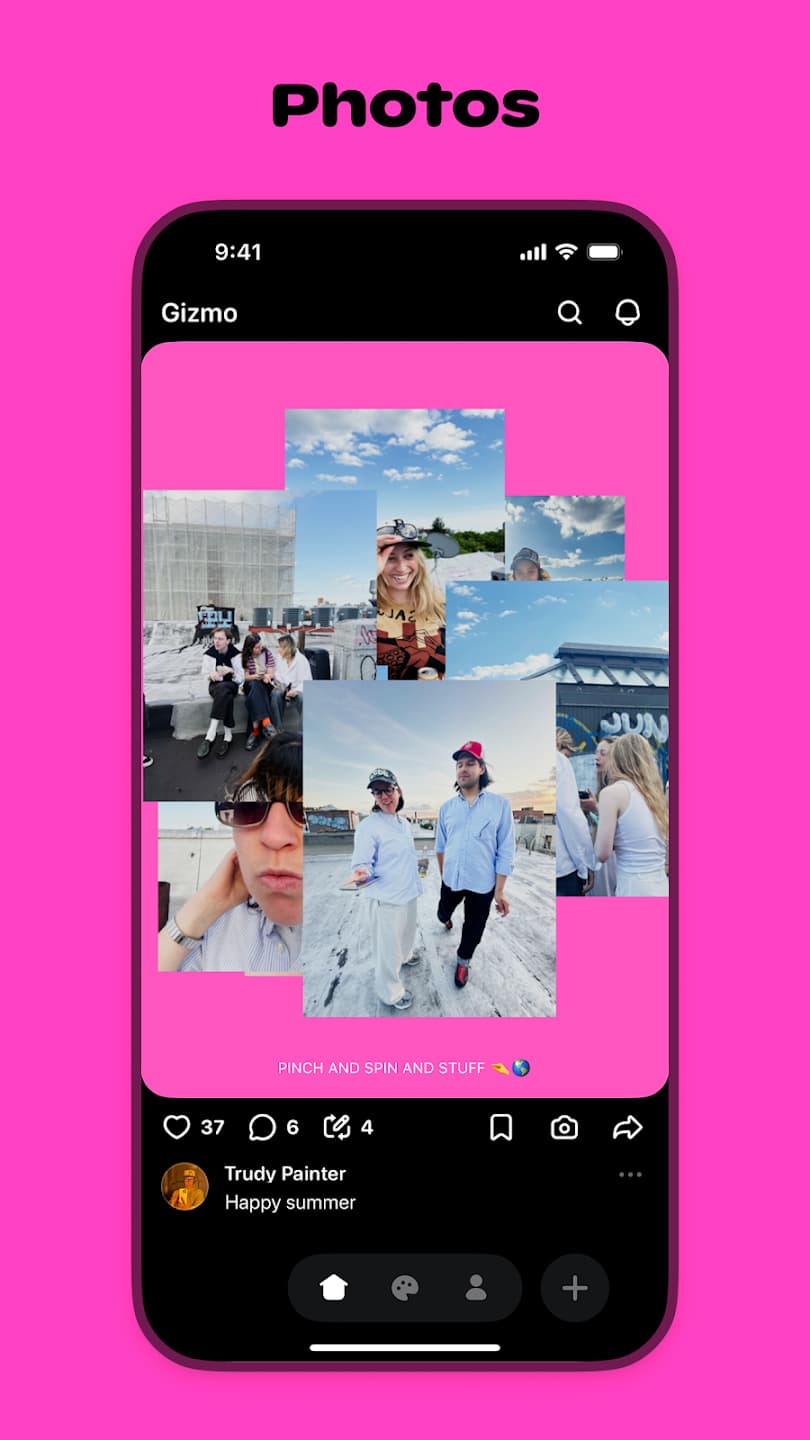
Creators can refine their ideas through more prompts, add text, images, sound, or gestures, then publish them to the feed.
Since its a social media at heart, others can like, comment, share, or remix them into new variations, creating a collaborative chain of evolving content.
The result feels like doomscrolling transformed into active play.
As users swipe through the infinite feed, each Gizmo invites participation rather than passive viewing: popping objects, solving quick puzzles, manipulating animations. Interaction becomes the norm, not the exception.
Communication shifts from comments alone to creation itself, where reactions take the form of playable responses.
Think of it like vibe-coding in miniature. Start with an idea, add media, and shape how people interact, just by tapping and tweaking on your phone.
[3/7] pic.twitter.com/ERWmImC1xm— Gizmo (@MakeGizmos) August 18, 2025
That shift points to something larger.
As AI handles the technical heavy lifting: editing, animation, sound, logic, creativity is no longer limited by skill. The question changes from "Can I make this?" to "What do I want to make right now?" That psychological shift could unlock expression from people who previously stayed on the sidelines.
Gizmo’s early growth suggests the idea resonates.
Less than six months after launch, the app has reached roughly 600,000 installs, with a sharp surge toward the end of last year. It’s free on iOS and Android, draws a global audience with strong U.S. traction, and is backed by a $5.49 million seed round from investors including First Round Capital. Moderation combines AI systems with human review, an important layer in a space built on user-generated interaction.
Still, this future isn’t all upside.
Every Gizmo lives on your profile. Remix your friends’, swap out a photo, change the tone. One post becomes many—each slightly different.
[5/7] pic.twitter.com/SggXg55n1u— Gizmo (@MakeGizmos) August 18, 2025
When creation becomes frictionless, volume can overwhelm value. If everyone can instantly generate interactive experiences, feeds risk becoming noisy, crowded with novelty while deeper work struggles to stand out.
Discovery could turn chaotic, with attention skewing toward the loudest rather than the most meaningful.
There’s also a creativity paradox.
While AI lowers barriers, shared tools and generative styles can lead to aesthetic sameness, like different ideas wrapped in similar templates. Systems designed to empower originality may subtly push culture toward algorithm-friendly uniformity.
Socially, constant interactivity can be draining. Passive scrolling requires little effort; a feed where everything asks users to play, respond, or co-create blurs the line between entertainment and labor. Participation pressure could replace the very friction these tools remove.
Privacy concerns grow as well. Highly responsive AI platforms learn from how users interact, how they play, hesitate, remix, and express themselves, creating deeper behavioral profiles than simple viewing data ever could.
Thousands of Gizmos already exist—made by people just like you.
Explore, remix, and make your own:
[7/7]https://t.co/GBcIxIJdqw— Gizmo (@MakeGizmos) August 18, 2025
Then there’s ownership. In a world of AI-generated systems layered with endless remixes, authorship becomes murky. Who owns an experience shaped by prompts, models, and multiple creators? As creative boundaries blur, legal and ethical ones follow.
Platforms like Gizmo hint at a more playful, participatory digital future: one where feeds feel less like streams to watch and more like spaces to enter and shape. But that future will require thoughtful guardrails. Without them, abundance becomes overload, empowerment becomes pressure, and creativity risks being flattened by the very tools designed to expand it.
The next evolution of media may be more alive, but the challenge is how to keep it human.

















































































































































































































































































