Some attempts are meant to improve things. But when those "improvements" are subjective and done quietly, things can go awry.
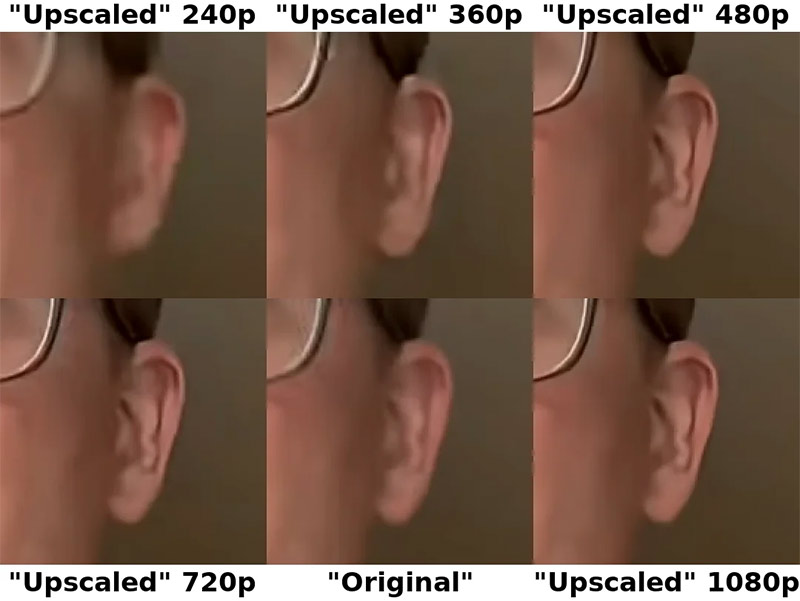
YouTube has been caught red handed, editing creators' uploaded videos without their consent. Using AI, the video-streaming giant made adjustments that are subtle: shirts appear sharper, skin looks smoother or sometimes more textured, and higher contrasts to the ears. Some people in videos look like they're using makeup when they're not, the hair may look different, and some others.
Viewers have noticed some "extra punchy shadows," "weirdly sharp edges," and a smoothed-out look that makes things look "like plastic."
The changes are barely noticeable for most viewers, especially without a side-by-side comparison.
But for creators themselves, the ones who uploaded the videos themselves, that's a different thing.
Many of them are quick in realizing that they're some added visual artifacts here and there.
And this bothers them, unsettling many in the creators' community.
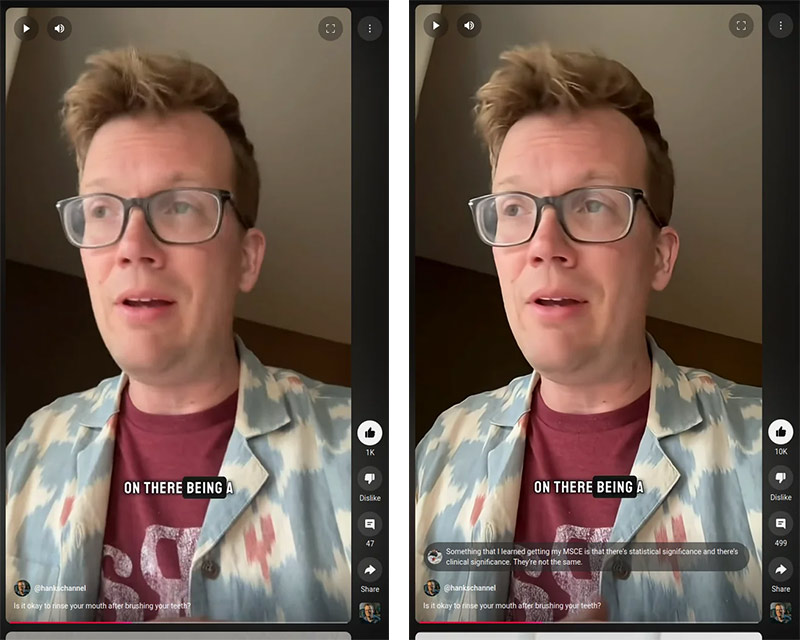
Some creators argue that if they want the change, they "would done it themselves."
With complaints pouring in, the voices are loud.
After months of speculation, YouTube finally confirmed it has been running an experiment on Shorts, its short-form video feature, confirming people's speculations about YouTube using AI to tweak videos on its platform.
"We’re running an experiment on select YouTube Shorts that uses traditional machine learning technology to unblur, denoise and improve clarity in videos during processing (similar to what a modern smartphone does when you record a video)," said Rene Ritchie, YouTube’s head of editorial and creator liaison, in a post on X.
"YouTube is always working on ways to provide the best video quality and experience possible, and will continue to take creator and viewer feedback into consideration as we iterate and improve on these features."
No GenAI, no upscaling. We're running an experiment on select YouTube Shorts that uses traditional machine learning technology to unblur, denoise, and improve clarity in videos during processing (similar to what a modern smartphone does when you record a video)
YouTube is always… https://t.co/vrojrRGwNw— YouTube Liaison (@YouTubeInsider) August 20, 2025
"We’re running an experiment on select YouTube Shorts that uses image enhancement technology to sharpen content. These enhancements are not done with generative AI," added Allison Toh, a spokesperson for Google.
The company has not said whether creators will be given the option to turn these changes off.
But that is not matters the most.
For many, the lack of consent is the real issue.
When YouTube refers to how the company wants to use AI to enhance things like what modern smartphones do, this cannot justify what YouTube is doing.
This is because when it comes a smartphone feature, users have the choice to use it or not, and have the ability to switch things off if they don't want it.
In this particular case, YouTube is 'stealing' users' videos by manipulating them to its liking, and then distribute the altered videos to a public audience without the consent of the people who produce the videos.
Even when YouTube is trying to use "traditional machine learning" and "generative AI" to good use, it's not particularly meaningful in this context.
The unease reflects a broader cultural moment.
Media has always been altered and polished, from Photoshop in the 1990s to beauty filters on social apps today. But AI makes those tweaks pervasive and automatic, often slipping in without anyone noticing.
While some creators are forgiving and couldn't careless, some users warn of larger stakes beyond Shorts.
If YouTube is given the chance to use AI increasingly in a medium that defined people's well-being and lives, Google is like showing how huge its influence in reality.
It's worth noting that while running this experiment, YouTube has also been encouraging creators to create and post AI-generated Shorts using a new suite of tools that allow them to animate still photos and add effects "like swimming underwater, twinning with a lookalike sibling, and more."

















































































































































































































































































