Assassin’s Creed is a hugely popular video game franchise developed by Ubisoft, first released in 2007.
It is known for its immersive historical settings, parkour-based movement, and a deep narrative that blends real-world history with a fictional struggle between two secret organizations: the Assassins, who fight for free will, and the Templars, who seek order and control. The series introduces players to historical periods such as the Crusades, the Italian Renaissance, the American Revolution, Ancient Egypt, and more.
To make history feel even more alive though interactive storytelling, the franchise unveils Assassin's Creed Shadows which takes place in Feudal Japan.
And it didn't take long until the internet is furious.
Even Japan's Prime Minister Shigeru Ishiba personally condemned the game.
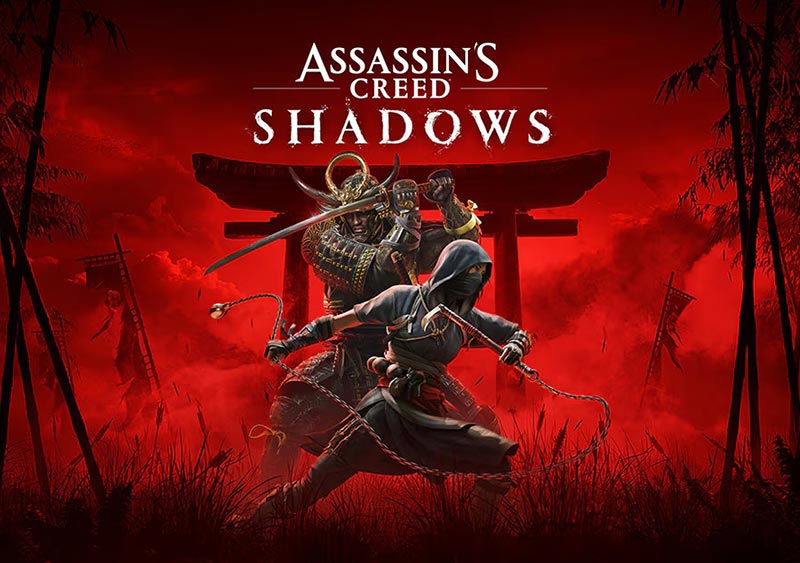
Assassin's Creed Shadows continues Ubisoft's long-running historical action-adventure franchise.
But this time, it has found itself embroiled in a heated controversy even before its official release. While the game promises a dual-protagonist experience set in Feudal Japan, a setting long requested by fans, a specific casting choice has ignited a passionate and often divisive debate within the gaming community.
The first is the controversy revolving around the portrayal of Yasuke, a historical African samurai who served Oda Nobunaga.
While his inclusion has been praised by many as a welcome step towards diverse representation, others have voiced concerns, primarily centered around historical accuracy and perceived "woke" agendas.
Then, Assassin's Creed Shadows featuring same-sex romance options for both protagonists, Naoe and Yasuke, this has generated both positive and negative reactions.
While many appreciate the inclusion of diverse romantic relationships, others have criticized it.

Some critics suggested that Yasuke's prominent role was a calculated move to appeal to a specific demographic, rather than a genuine attempt to explore a fascinating historical figure. This rhetoric quickly spread across social media platforms and online forums, amplifying the controversy.
This backlash began to gather momentum immediately following the game's reveal trailer and subsequent deep dive presentations.
The initial spark was lit by a vocal minority who questioned the authenticity of Yasuke's presence in a narrative focused on ninja and samurai culture. Some argued that his role was being exaggerated or that his inclusion was a forced attempt to inject diversity into a traditionally Japanese setting.
These arguments often intertwined with broader discussions about historical accuracy in video games, with some claiming that Ubisoft was prioritizing representation over fidelity to the era.
While many acknowledged Yasuke's historical existence, they worried that his portrayal might overshadow other important figures or perpetuate inaccurate stereotypes about Japanese history and culture.
Not to mention that there is a shrine that is defaced in the game, which is the Itate Hyozu Shrine in Himeji, Hyogo Prefecture, and also a flag from a Japanese historical re-enactment group that Assassin's Creed Shadows used without permission.
But the main argument is particular centered around a segment of the game in which the protagonist destroys the Itate Hyozu Shrine. The shrine has a real-life location in Himeji, Hyogo Prefecture, and is overseen in the nation's House of Councillors by Hiroyuki Kada.
Read: 'Half-Life 2 RTX' On Steam: Remastering The Award-Winning Game With Modern Technology
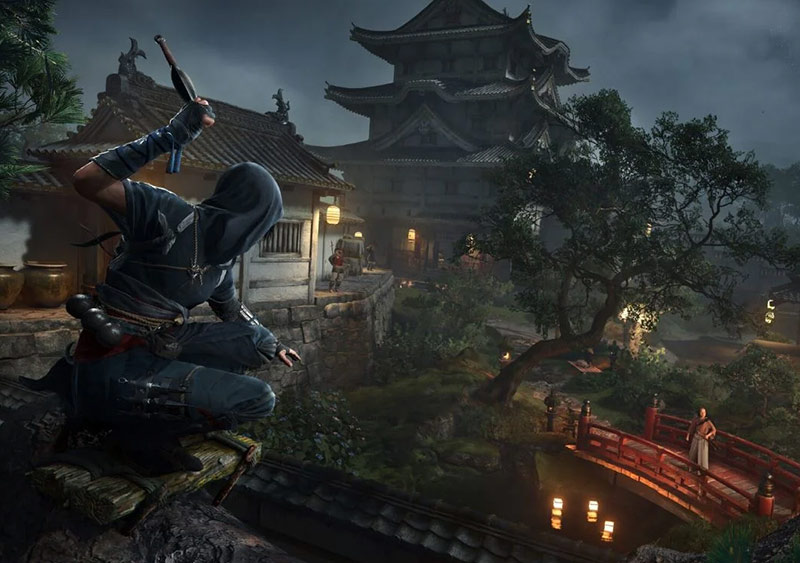
Before the official release of the game, Hiroyuki Kadaasked this question:
He addressed his concerns to Japan's Prime Minister Shigeru Ishiba during an official government conference meeting.
The argument stems from the fact that the country is experiencing a weakening yen, and that it hopes the reopening of its borders after the COVID-19 pandemic can create a surge in tourism that will help the economy.
In this government budget meeting the politician Hiroyuki Kada, his complaints is that, Assassin’s Creed Shadows may increase vandalism and graffiti in Japan.
His argument is that if players are able to deface a temple or harm individuals with a katana in the game, they may be inspired to do it in real life when they visit Japan, similar to the age-old argument that Call of Duty- or Grand Theft Auto-inspired violence.
Prime Minister Shigeru Ishiba responded that if such actions were taken in real life:
"Defacing a shrine is out of the question - it is an insult to the nation itself. When the Self-Defense Forces were deployed to Samawah, Iraq, we ensured they studied Islamic customs beforehand. Respecting the culture and religion of a country is fundamental, and we must make it clear that we will not simply accept acts that disregard them."
None of the above stopped Ubisoft from releasing Assassin’s Creed Shadows, but Ubisoft has apologized a number of times for the concerns and the troubles it caused.
From its much-delayed launch, to over aspects of the game, as well as its marketing that upset some within Japan.
The inaccuracies in the game's depiction of Feudal Japan also led the development team to issue an apology and say the game is not intended to be a factual representation of history but instead "a compelling, historical fiction."
Ubisoft added that despite its collaboration with external consultants and historians, "we acknowledge that some elements in our promotional materials have caused concern within the Japanese community," Ubisoft said. "For this, we sincerely apologize."
Ubisoft was quick by addressing to many of the concerns by releasing patches.
The Assassin's Creed Shadows controversy underscores the complex relationship between historical accuracy, representation, and creative license in video games.
It highlights the challenges developers face when tackling sensitive historical topics and the importance of engaging with diverse perspectives.
Read: How 'Baldur’s Gate 3' Becomes A Best Seller After Showing Off A Bear Sex Scene






















































































































































































































































































