In Indonesia, at the tropical paradise of Bali, where luxury villas and pristine beaches draw tourists from around the world, a horrific crime has unfolded.
Igor Komarov, a 28-year-old Ukrainian national, vanished under chilling circumstances while vacationing on the island. Reports describe him as having ties to Oleksandr Petrovsky, a notorious crime figure from Ukraine, known in underworld circles by the nickname "Narik." For that matter, Igor allegedly had tis to organized fraud operations, have a list of crimes under his belt, like operating international scam call centers and possibly cryptocurrency schemes.
Bali welcomes anyone, but it also welcomes his nightmare.
And it happened February 15, the moment Igor was abducted in Jimbaran, Badung regency.

Born in 1997, Igor Sergeevich Komarov came from Dnipro, a city on the Dnieper River in central Ukraine.
While reports suggest that no companies have been officially registered in his name, Igor has long been associated with Oleksandr Petrovsky's son, Yermak. Both Igor and Yermak have been implicated in at least one criminal incident that occurred in 2021. Back then, the two were among 13 people detained on suspicion of hooliganism involving firearms.
A criminal case was opened under Part 4 of Article 296, with potential sentences of up to 7 years in prison for the participants.
At the time, they were the ones who allegedly organized a shooting in the Tinitsa cafe, orchestrated by Alexander Petrovsky, targeting the car of businessman Artur Rysin, general director of the agroholding "Stepova," who was relaxing there at the time with his wife and friends.
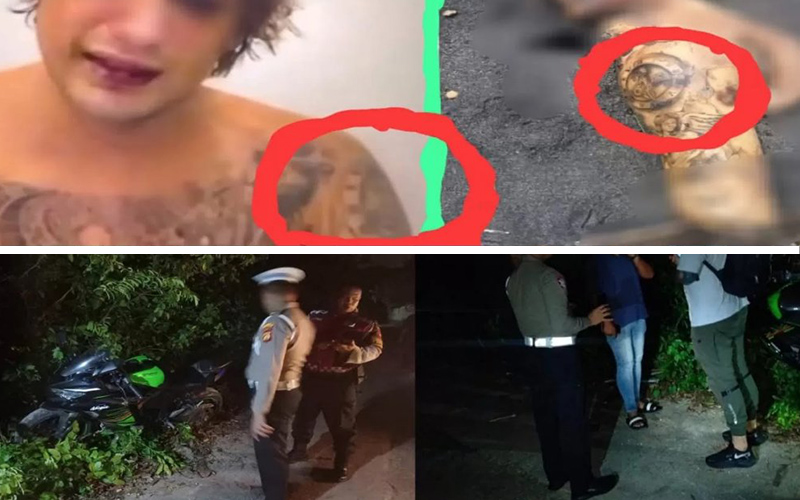
Fleeing Ukraine to Indonesia, Igor was riding a motorcycle with Yermak, an activity extremely common among tourists, before suddenly a black Toyota Alphard rammed into them.
Yermak reportedly fought back, stabbing one assailant before escaping to alert authorities, but Igor was overpowered and taken away using the rented car, accompanied by motorcycles.
Igor was likely the victim of opportunity rather than sole selection. And make things worse, Igor is said to be the son of Sergei Komarov, a wealthy Ukrainian businessman and influential regional figure.
This is why Igor is often described in reports as a "criminal authority" or oligarch, though he lacks the high-profile infamy of his associate.
The kidnappers who knew this, subsequently demanded a $10 million ransom in cryptocurrency.
Things began to unravel when days later, a disturbing three-minute video surfaced online, rapidly spreading across social media in Russia, Ukraine, and beyond.
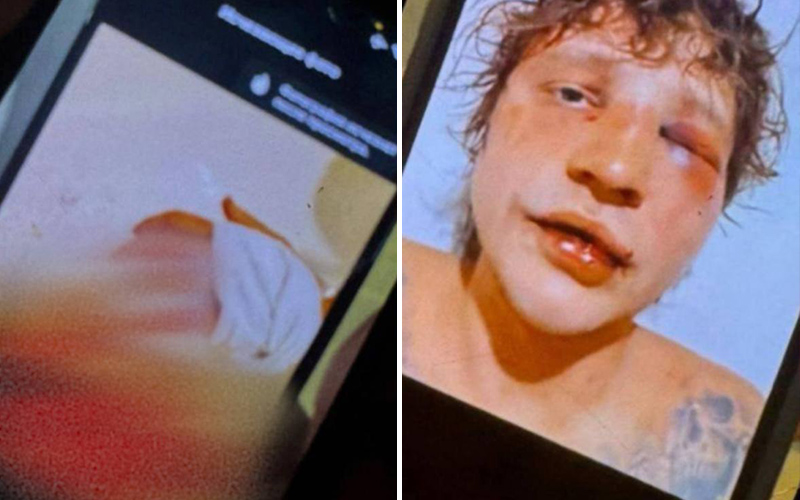
In it, a battered Igor is seen with his face bruised, eye blackened, lip split, and arm bandaged.
In the video, he pleaded desperately with his parents. "Mommy, Daddy, I beg you. Help me, please. You stole those ten million dollars that they asked for. Return these 10 million, please," he said, his voice weak and trembling. He described brutal torture: limbs chopped off, legs broken, ribs fractured and punched, warning that infection would soon set in without medical care.
The captors, speaking through the footage, demanded $10 million (roughly Rp157 billion), claiming the money had been stolen from them through his family's alleged scams.
They taunted that no police or mafia connections could intervene, asserting Igor had been moved to another country, though evidence points to him remaining in Bali.
The video showed graphic injuries, including missing fingers and a shattered foot, with threats of further mutilation, like severing an arm.
The motive appeared rooted in revenge and debt.
Speculation linked the kidnappers to transnational criminal networks, possibly Russian or Chechen gangs seeking payback for cryptocurrency fraud or stolen funds tied to Igor's father's operations.
Some reports mentioned Igor's own involvement in legitimate crypto ventures, but the ransom explicitly targeted alleged ill-gotten gains from scam networks.
This echoed earlier incidents in Bali involving Eastern Europeans and crypto-related thefts, hinting at broader underworld rivalries spilling into the tourist haven.
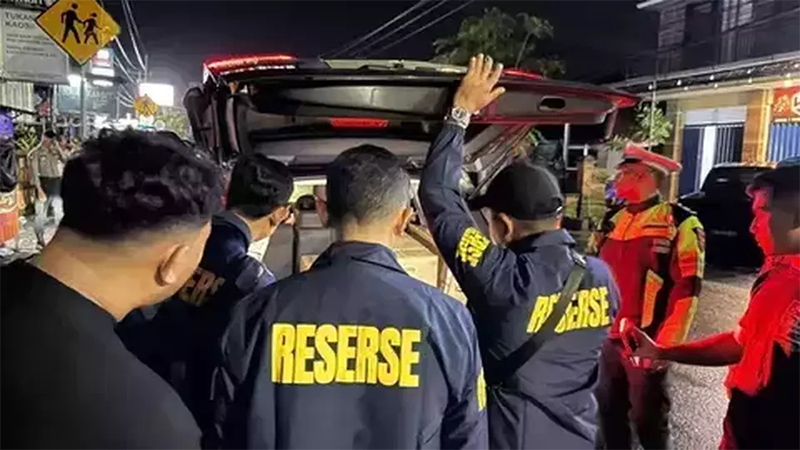
When investigators started investigating, and then retrieved CCTV footage, they managed to track down the vehicles to a villa in Tabanan regency.
In there, they found bloodstains, confirming signs of violence.
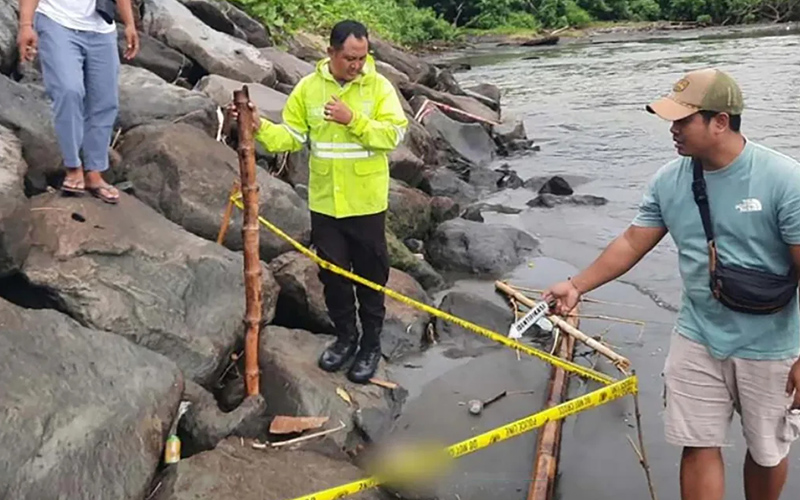
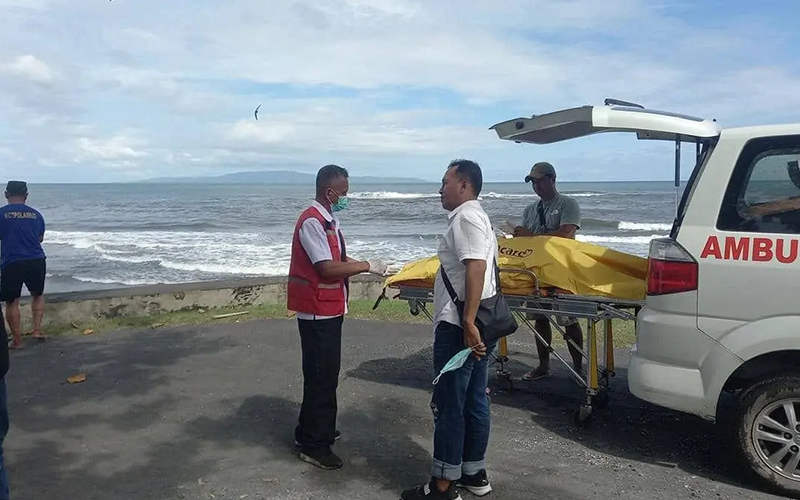
Tragedy escalated when, on February 27, locals discovered mutilated human body parts near the Wos River estuary in Banjar Keden, Ketewel village, Gianyar regency.
The remains bore a distinctive Roman numeral tattoo matching Igor's, and forensic estimates suggested death occurred around February 24, or about three days before the find.
Bali police launched DNA testing, collecting samples from Igor's mother in Ukraine for comparison, while coordinating with Interpol and Ukrainian diplomats. The discovery fueled fears that Igor had been sadistically murdered after the ransom went unpaid or negotiations failed.
Indonesian authorities acted swiftly.
Authorities in Gianyar and Badung coordinated search efforts along coastal areas and riverbanks after the grim discovery near the Wos River estuary. Forensic teams worked to reconstruct a timeline of Igor's final days, while Indonesia’s National Police opened cooperation channels with Interpol to track suspects who had allegedly fled abroad.
They began piecing together what they believe was a carefully coordinated operation rather than a spontaneous act of violence.
Police sources indicated the suspects had conducted surveillance in the days leading up to the abduction, tracking Igor's movements between villas, beach clubs, and motorbike routes in southern Bali.
Digital forensics teams analyzed phone metadata, rental records, and immigration logs to determine how the group entered and exited Indonesia.
One suspect, a 33-year-old Nigerian national named Chukwuebuka Gabrie Nkemegbunam (initialed as "C" or "CH"), was arrested in West Nusa Tenggara for renting the getaway vehicle and villa using fake documents. He claimed ignorance of the crime's intent, but his role in facilitating the hideout was clear.
Police named six other foreign suspects (initials RM, VK, AS, VN, SM, DH), describing them as part of a group.
Four had fled Indonesia, while two were believed still hiding in Bali. International red notices were issued, and investigations probed a possible transnational criminal network, including potential Chechen elements.
Several of the named suspects were believed to have arrived separately on short-term tourist visas, raising questions about how international criminal networks may be exploiting Bali’s popularity and visa policies to operate discreetly.
The case also caused a stir in Dnipro, where Oleksandr Petrovsky, has long been a controversial figure. Ukrainian media questioned whether the kidnapping was revenge over money disputes. However, there have been no official charges or clear evidence linking him to any specific crime in this case.
Security experts say the incident shows a growing trend: criminal groups are working across countries more easily than ever. They use cryptocurrency, encrypted messaging apps, and international travel to plan and carry out crimes far from home.
Bali, better known for surfing and luxury holidays than violent crime, suddenly became the backdrop for an international criminal case. Local officials have tried to calm fears by saying the attack appeared to be targeted, not random.
Even so, the shocking nature of the crime and the spread of the ransom video online have left many residents and foreign visitors unsettled.
For Bali, the case is a reminder that even a place seen as paradise can be touched by serious global crime.


