China is the most populated country in the world, and is known as one of the leaders of political and cultural forces that helped shape the world.
China is also known for its rich and long history, its architectural wonders, its staggering variety of food, its martial arts, and inventions.
China however, is also known for being the epicenter of the COVID-19 'coronavirus', which happened in Wuhan in 2019, before spreading to almost every corners of the world.
Since then, its government, as well as a small number of other countries, have pursued an elimination strategy that is known as the "zero-COVID strategy," which aims to eliminate local transmission of the virus.
The idea is to contain any outbreaks, in order to reduce transmission in to near zero.
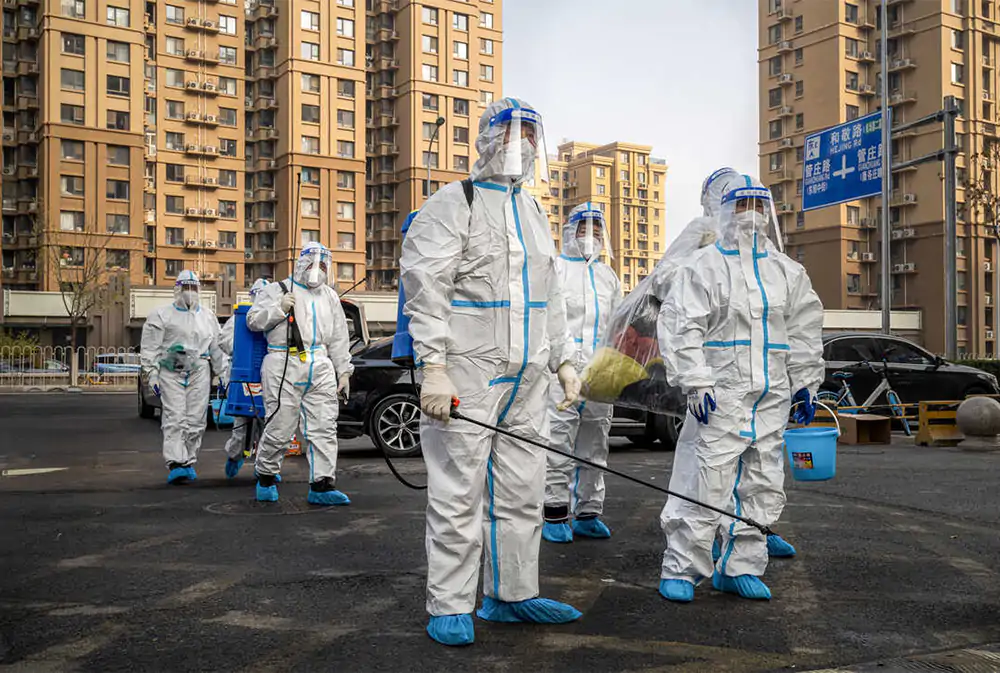
While the government of China, under CCP general secretary of President Xi Jinping's administration, pursued a zero-COVID strategy to prevent the domestic spread of COVID-19, the public receptions have been mixed.
Many praised the approach, but many others complained about the government's censorship, its lack of transparency, and how misinformation is abundance.
But what people were really complaining, is how the zero-COVID strategy is affecting the economy.
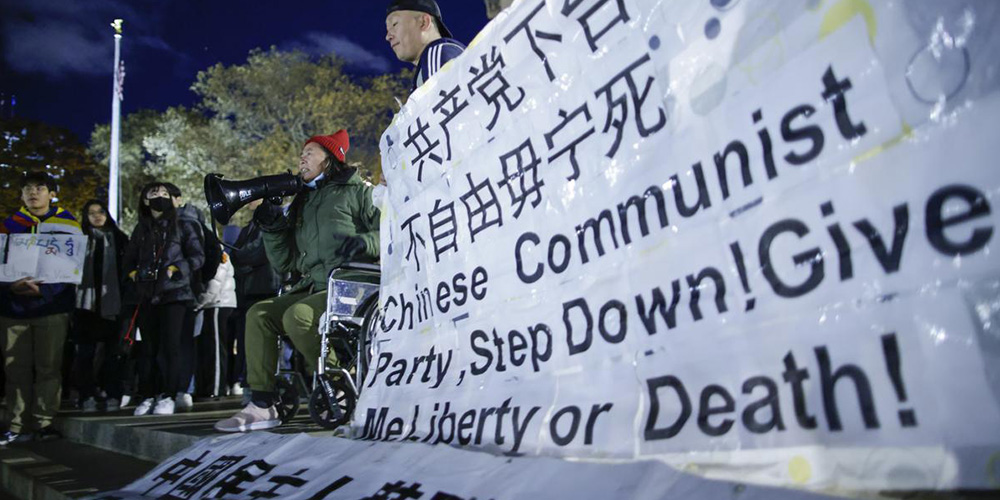
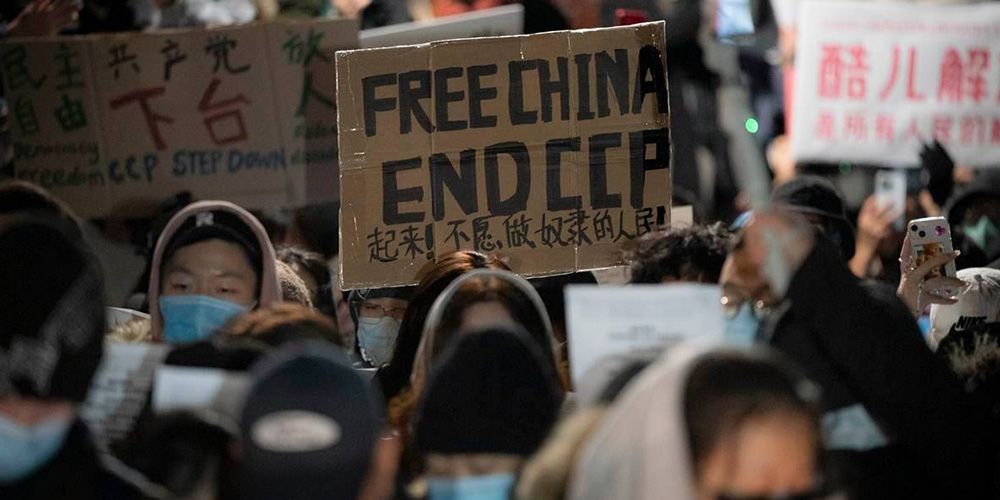
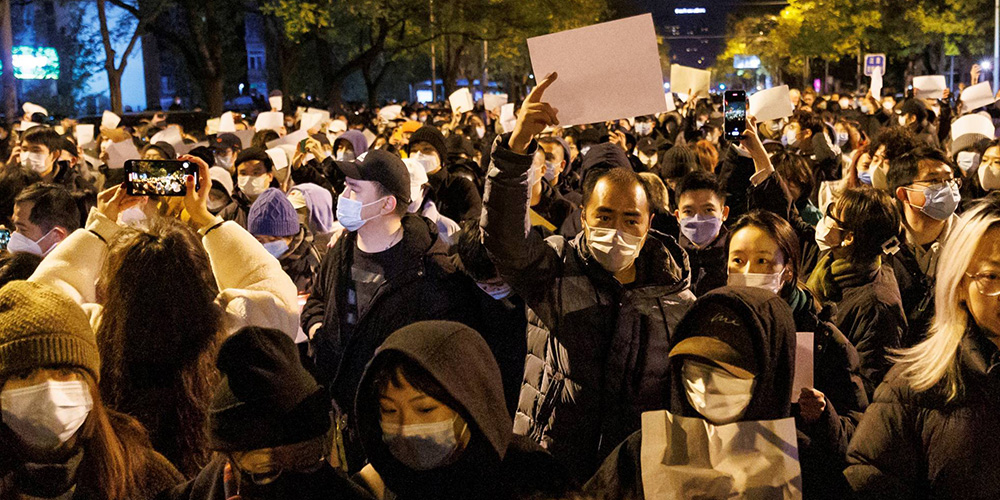
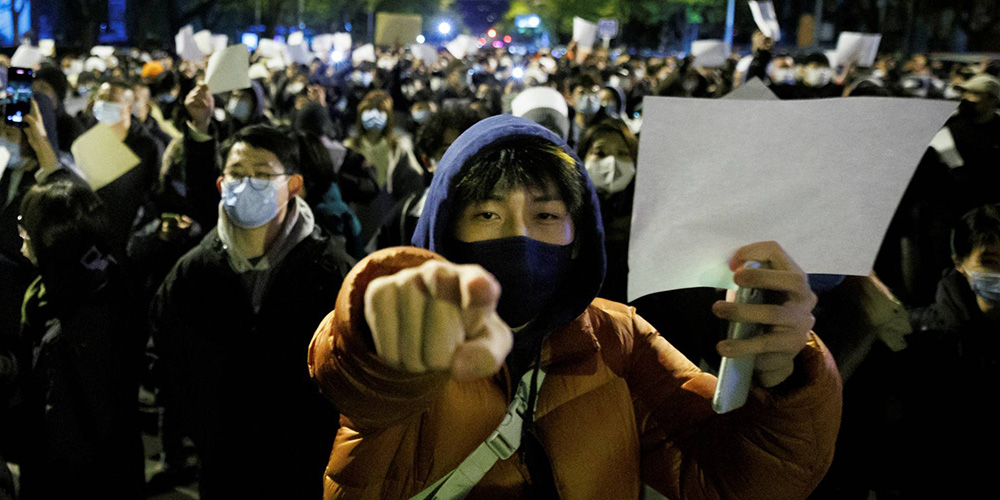
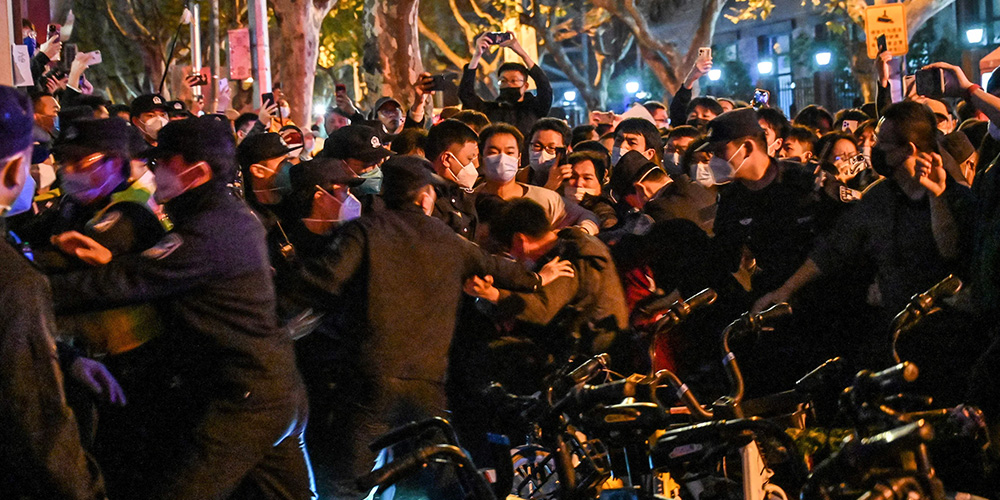
Because of this, mass protests were held in many cities in China.
Making things worse, citizens were furious when a fire in a high-rise block in the western Xinjiang region killed 10 people in November. Many blamed the Xi Jinping's zero-COVID strategy for hampering the rescue effort.
Responding to the situation, the Chinese government lifted some of its most stringent rules, and also started reducing lockdowns, and started allowing people who tested positive for COVID-19 to quarantine at home rather than forcing them to a hospital or mass quarantine site.
Under the revised policy, the quarantine period for close contacts was reduce to five days in a state facility and three days at home. Besides that, the policy which penalized airlines for bringing in too many cases was also erased.
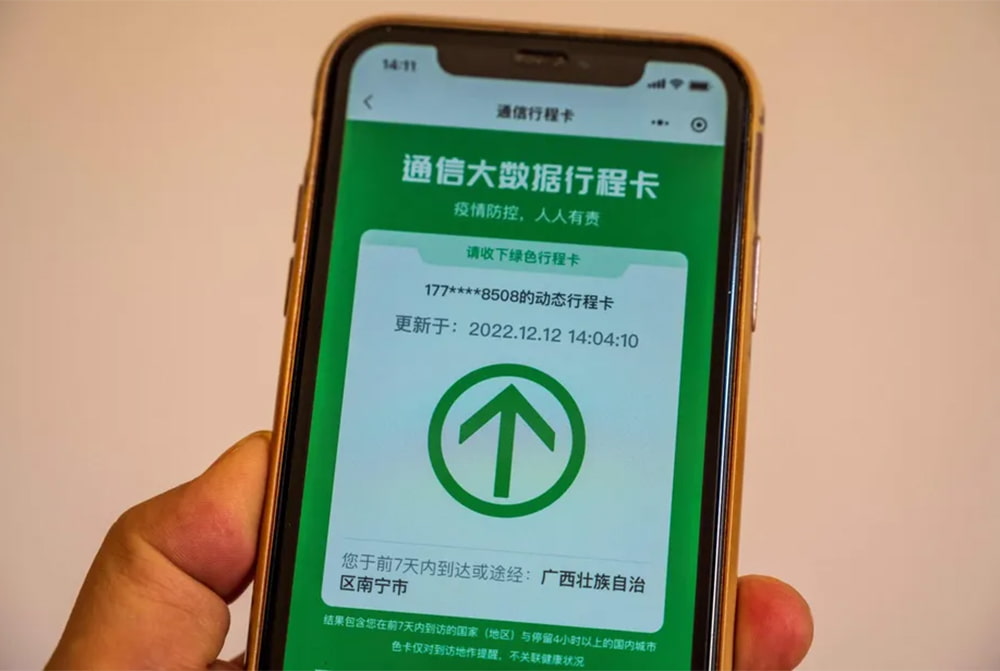
The government has also deactivated a phone app that has tracked people's movements during the pandemic.
The state-run Communications Itinerary Card app, was created by the China Academy of Information and Communications Technology alongside three state-owned telecommunications companies: China Telecom, China Mobile and China Unicom.
It uses phone signals to track whether someone has travelled to an area considered to be high-risk.
The app that was a central part of China's zero-COVID policy, required people to enter their phone numbers in the app in order to produce a green arrow indicating they were uninfected, and were allowed to travel between provinces and enter events.
Information on the smartphone program also include users' updated itinerary details, all countries or regions they visited in the past 14 days, and the Chinese cities in which users stayed for longer than four hours.
The application was first launched in March 2020.
But with travel between provinces has been eased with the removal of COVID-19-prevention restrictions, the national app has been deemed to be obsolete by officials.
Because of this reason, China's officials have pulled the plug, and have put the national app offline on December 13, after three years in operation.
Read: Uptick In Spam Campaign On Twitter Amid Widespread COVID-19-Related Protests In China

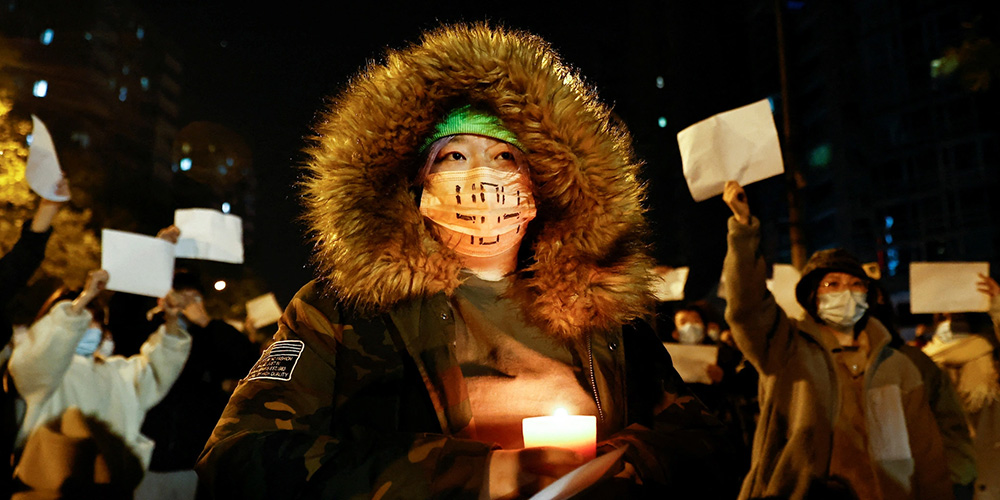
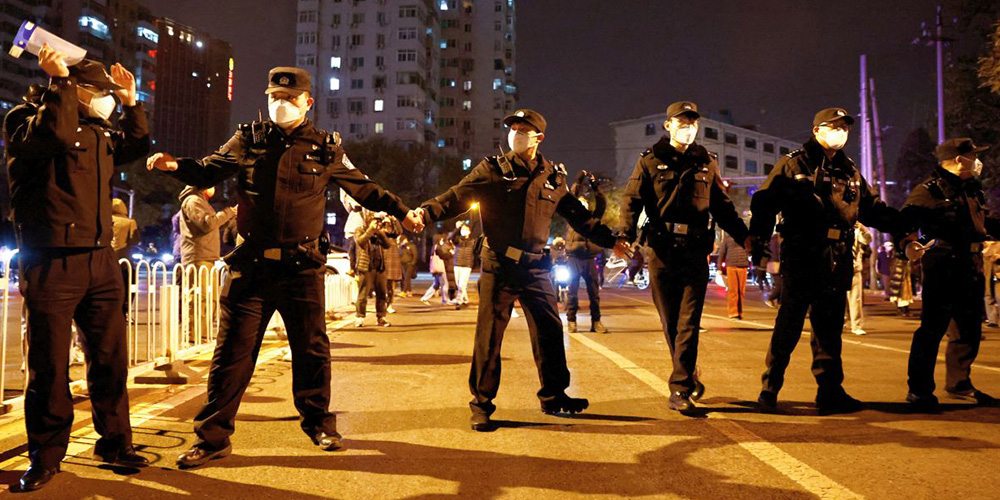
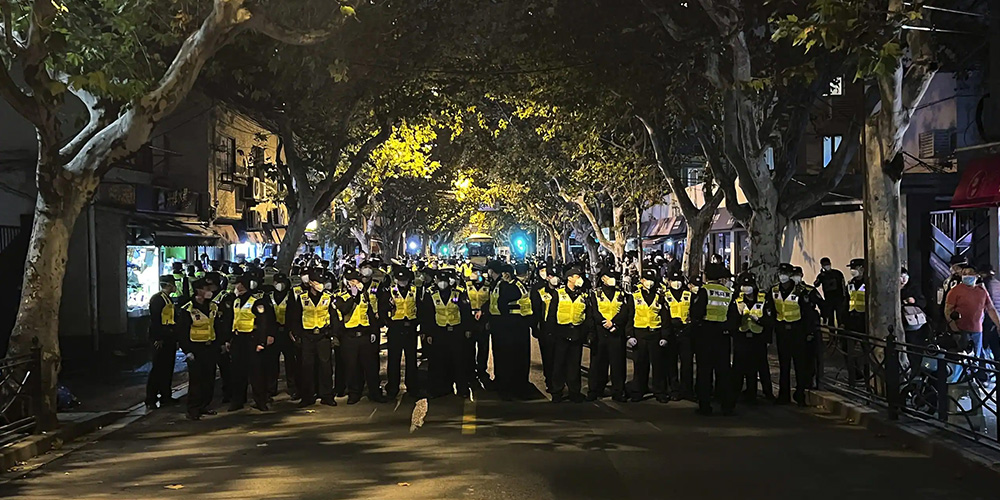
The decision was taken citing the economic situation, which faced a blow due to China's zero-COVID policy.
While this marks the time Beijing is abandoning its controversial zero-COVID strategy, the authorities stated that their war against the pandemic continues, and shall be "unchanged".
The removal of the app is symbolic, and isn't creating a huge impact on people's daily lives because of the local apps still in use in cities across China. Many people are still using scanning systems run by their city or province to access local amenities and public buildings.
But still, many social media users in China have welcomed the app's retirement.
Netizens in China have expressed excitement about the discontinuation of the itinerary card service.
They cheered, but unfortunately, the happiness is short-lived.
Soon after China eases the restrictions, China is again experiencing a surge in COVID-19 cases.
And about a week since the revised policy took place, leaked information from Beijing’s senior health officials reported, by U.S. media, suggests huge gap between internal estimates and official data, as Beijing struggles with outbreak
It was reported that some 250 million people in China may have been infected with COVID-19 in the first 20 days of December.
According to the information published by Bloomberg and the Financial Times, 37 million people were estimated to have caught the virus on December 20th, in contrast to official data counting 3,049 cases on that day, and 62,592 symptomatic infections during the first 20 days of this month.
Despite the number of cases in China reaching the highest levels in months, the Chinese government decided to keep the loosened restriction.






















































































































































































































































































