In the ever-evolving world of digital communication, few announcements carry as much significance as those that shape the future of one of the world's largest social media platforms.
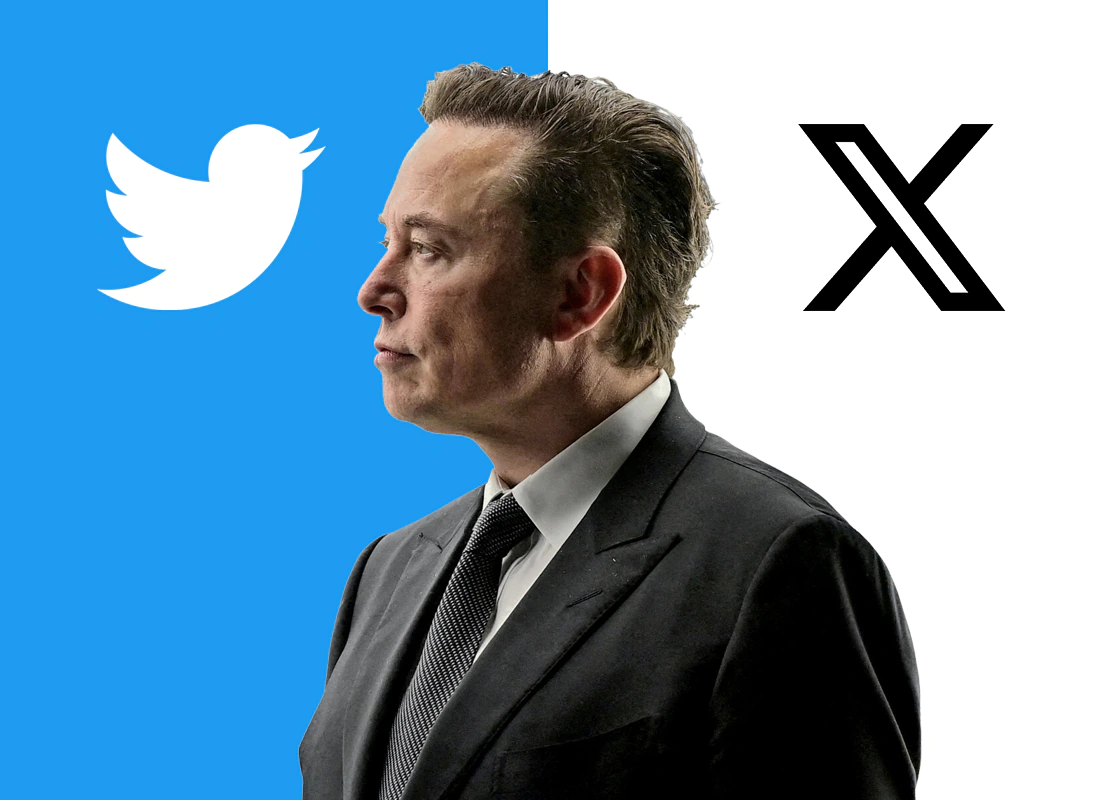
And this time, Elon Musk said that X will open source its entire codebase.
This move, pledged once internal security reviews conclude, represents a significant escalation in a long-standing commitment to transparency.
It promises not just the release of code snippets or specific components, but the full underlying architecture of the platform, accompanied by independent third-party verification to ensure what runs in production matches what is publicly shared.
At its core, this step underscores a philosophy that genuine trust in any system, especially one as influential as a global town square, can only be earned through verifiable openness rather than assurances alone.
The roots of this development stretch back to the turbulent acquisition of the platform formerly known as Twitter in late 2022.
What began as a high-profile purchase quickly evolved into a broader vision for reimagining social media.
The new ownership emphasized reducing perceived biases in content moderation and recommendation systems, restoring accounts previously restricted, and shifting toward a model where free expression took precedence over centralized gatekeeping.
Rebranding efforts followed, signaling an ambition to transform the service into something more expansive (an "everything app") that could encompass payments, video, and beyond.
Yet alongside these changes came intense scrutiny.
Critics questioned algorithmic favoritism, moderation inconsistencies, and the potential for hidden influences shaping what billions of users see daily.
These debates highlighted a fundamental challenge in modern technology: opaque systems breed suspicion, even when intentions are benign.Early efforts at openness provided partial glimpses but fell short of full accountability.
In 2023, a version of the recommendation algorithm was made available on GitHub.
This initial release offered valuable insights into how posts are surfaced, ranked, and filtered for users' feeds.
Engineers and researchers could examine key mechanisms, such as candidate sourcing from followed accounts and machine learning models that predict engagement.
However, the dump was acknowledged as incomplete, and regarded more as a curated selection rather than the full production environment.
Critical elements like certain safety pipelines, training data details, and substantial portions of the live codebase remained absent.
Updates in the following years, including more advanced transformer-based approaches inspired by broader AI advancements, expanded on this foundation.
These iterations incorporated improvements for better relevance and diversity while continuing the public sharing of core logic.
Still, gaps persisted, fueling ongoing discussions about whether partial transparency truly sufficed for a platform of this scale.
What has led to the current pledge for complete openness is the recognition that incremental steps, while progress, cannot fully dispel doubts in an environment rife with competing narratives.
Social media platforms wield immense power over information flow, public opinion, and even democratic processes.
When the systems deciding visibility operate behind closed doors, accusations of manipulation, whether from political actors, advertisers, or internal teams, gain traction easily.
By committing to release everything after thorough security vetting and inviting external experts to audit the running system against the published code, the approach aims to create an auditable record.

This verification layer is particularly fundamental since code on a repository means little if discrepancies exist between the shared version and what powers real-time user experiences.
It echoes broader principles seen in open-source software movements, where community scrutiny has historically strengthened security, accelerated innovation, and built resilient ecosystems.
The implications extend far beyond one platform.
In an industry dominated by proprietary black boxes, full codebase transparency could set a precedent.
Developers worldwide might study, fork, or improve upon proven architectures for recommendation engines, content moderation, or scalable infrastructure. Researchers could analyze real-world implementations of AI-driven ranking systems without relying on approximations. Users and policymakers gain tools to understand (and potentially challenge) how information is curated at massive scale.
Of course, challenges remain inherent to such openness: protecting user privacy requires careful redaction of sensitive data, while security reviews must balance thoroughness with timely delivery. Malicious actors could theoretically study vulnerabilities, though the emphasis on pre-release auditing and the reality that determined adversaries often reverse-engineer systems anyway suggests the benefits of collective defense may outweigh isolated risks.
The decision to make X open source moves it away from opaque corporate control toward a model where the platform's inner workings become a shared resource.
As platforms continue to shape human connection and knowledge dissemination, choices like these determine whether users can engage with confidence or remain perpetual outsiders to the systems that mediate their realities. The path ahead will test whether this level of openness delivers on its promise of earned trust, fostering a more accountable and innovative digital public sphere for years to come.