
Iran stands as one of the world’s oldest continuous civilizations, tracing its roots through the Elamite, Achaemenid, Sassanid, and Persian empires. Its legacy includes remarkable contributions to science, medicine, astronomy, poetry, and philosophy—especially during the Islamic Golden Age.
Think: Cyrus the Great, Avicenna (Ibn Sina), Rumi.
While Iran remains a cultural gem and a regional power in the Middle East, modern-day Iran grapples with economic hardship—largely due to international sanctions. To guard against foreign influence, the government enforces strict internet censorship, shaping what its citizens can access and share.
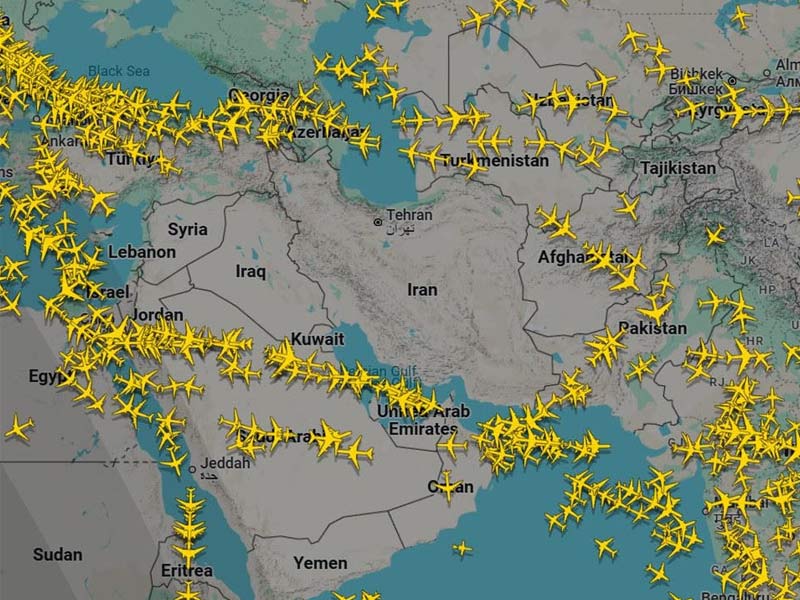
In the ongoing conflict with Israel, triggered by the Israeli launch of Operation Rising Lion, Iran has tightened security further. The war has damaged critical infrastructure, forcing the nation into deeper precaution and limited connectivity.
And while battles rage on land and in the skies—some choose to fight in the shadows of cyberspace.
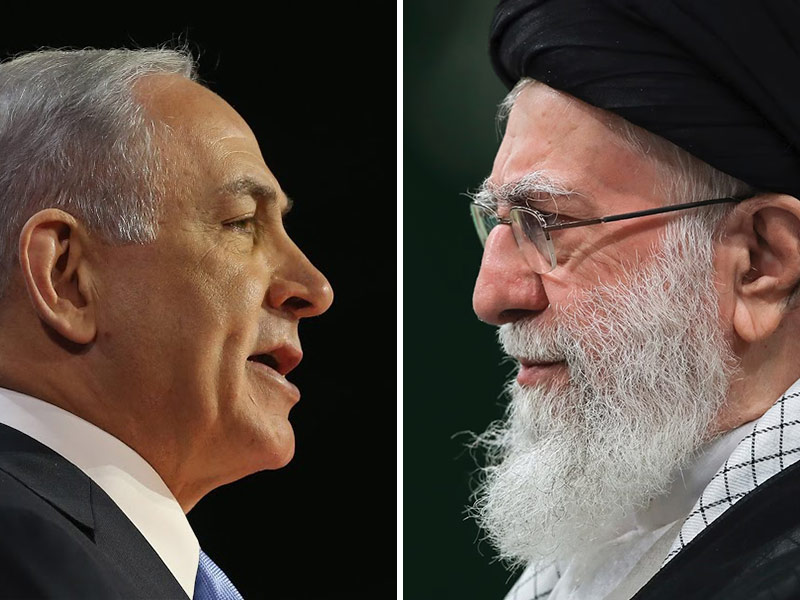
In a world where people are accustomed to constant connectivity, regional conflicts inevitably spill into the digital realm—where the battle for hearts and minds rages just as fiercely as any physical front.
As tensions escalate, Iran has once again resorted to restricting internet access, echoing its previous actions during domestic unrest—most notably the Mahsa Amini protests. This strategy aims to control the narrative, suppress panic, and prevent unfiltered information from reaching the public.
The world is no stranger to Iran’s restrictive digital landscape, nor to the ingenuity of its people, who routinely use VPNs and proxy tools to access the open web. Israel understands this well
Israel is exploiting the cracks in this digital firewall.
By broadcasting its message directly to Persian-language audiences on social media, Israel that has found a way to bypass censorship, is able to reach millions inside Iran with staggering speed and scale.
By leveraging the internet to speak directly to the Iranian public, Israel aims to shape opinion from the inside.
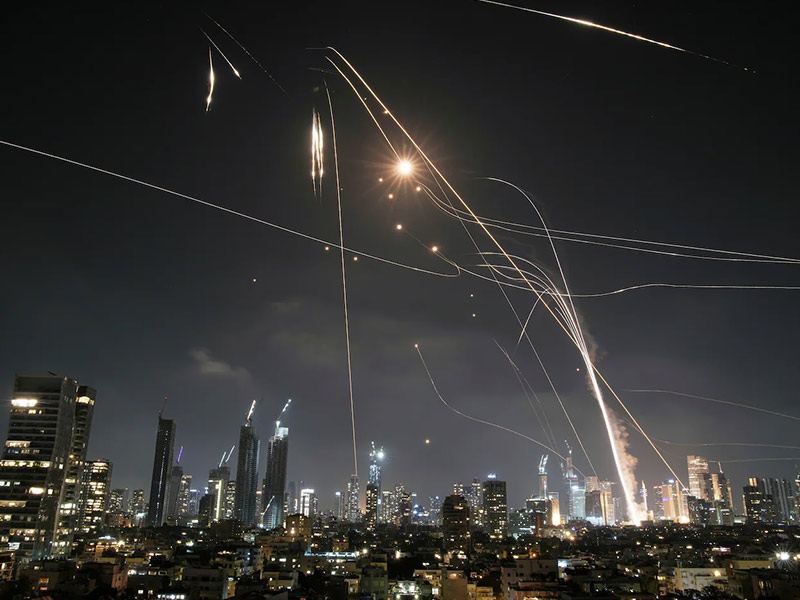
Since Friday, following the first ballistic missile from Israel exploded on the Iranian soil, Israel’s Foreign Ministry has reported a dramatic surge in online engagement across its Persian-language social media platforms.
Millions of Iranians—despite facing intense internet restrictions—are managing to access and interact with content directly from Israeli sources.
According to official data, within just 24 hours of the operation’s kickoff, the ministry’s Persian posts reached nearly 20 million views. Instagram led the charge with 14 million views, including more than 2 million on a single post detailing a strike against senior Revolutionary Guard officials.
A video message from Prime Minister Benjamin Netanyahu, directly addressing the Iranian people, has also drawn significant attention—surpassing 1.4 million views.
Other platforms saw notable traction as well.
On Facebook, 21 Persian-language posts garnered over 1 million views, while on X (formerly Twitter), 23 posts accumulated approximately 4.5 million views, many accompanied by positive comments and hundreds of shares. Strikingly, data from Instagram shows that 90% of the page’s followers are located within Iran, a clear indicator of a growing public appetite for alternative narratives.
Geographically, engagement wasn’t limited to Tehran. Cities like Mashhad, Yazd, and Shiraz also contributed significantly, suggesting a widespread, nationwide interest in content coming from the Israeli side.
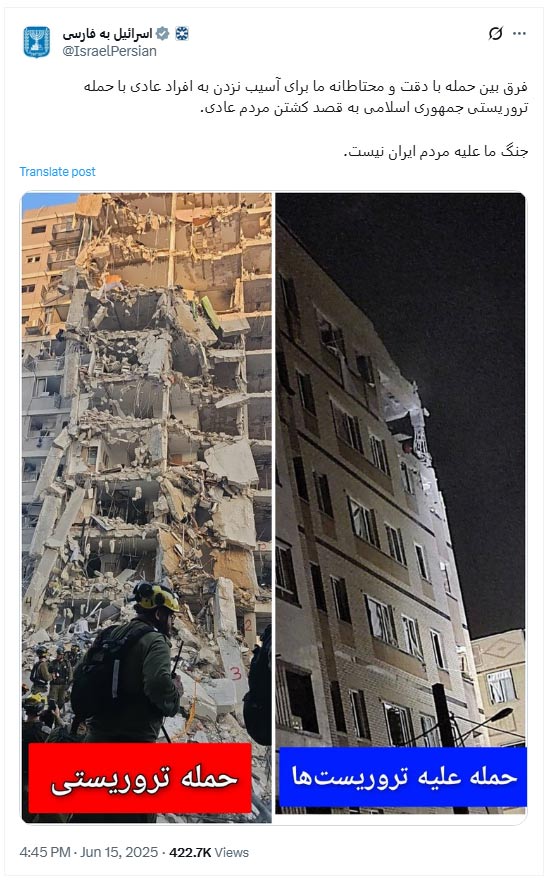
One notable post highlighted the contrast between Israel’s strategy of targeting high-ranking military officials and Iran’s focus on civilian population centers—a comparison that drew heavy attention and discussion.
According to reports, the majority of followers—86.4%—are men aged 25–44, a demographic that represents a digitally fluent, politically conscious slice of Iran’s population.
However, younger users, including teenagers and those under 24, also made up a sizable portion of the audience. Women, while a minority at 13.6%, still represent a meaningful and engaged segment.
All this is taking place despite an intensified crackdown on internet access within Iran. Yet, citizens appear undeterred, using VPNs and other tools to sidestep digital firewalls in pursuit of real-time information.
"These are unprecedented figures. The Iranian public is signaling that it wants to listen, talk to us and make its voice heard," the Israeli official said.
This conflict, like many modern wars, is not confined to airstrikes or ground operations. It is also fought through guerilla tactics, covert espionage, and strategic propaganda.
Among the many things, include fake news, social media bots, recycled videos from the internet and more.
Israeli's strategies to target Iranian audience include, and not limited to: approaching Iranians through Persian-language social media and accounts, using subtitles of officials speaking directly to Iranians, highlighting the regime flaws, corruption and military failures. Posts also include Israeli only target strike military targets whereas Iran is framed as endangering civilians.
These messages aren't random—they're calculated messaging, designed to stir doubt inside Iran and undermine trust in the Iranian regime.
As for Iran, it fights back with state-controlled news, broadcasting victories and minimizing losses, and saying how casualties are mostly civilians, demonizing Israel and portraying itself as a victim of Zionist aggression, leveraging religious and nationalistic sentiment to unify its population, and more.
In this case, while Iran is actively trying to bridge the widening gap between the people and the government using censorship, Israel tries to suggest that its conflict with Iran is not with the Iranian people—but with the regime that oppresses them.
Here. the front lines stretch across cyberspace, where influence is ammunition—and public perception is the prize.
Read: How Technology Keeps Protests In Iran Alive, With Or Without The Internet