When Hollow Knight: Silksong was finally launched on September 4, the release wasn’t just another date on the gaming calendar. It was, nevertheless, a global event.
For years, fans had endured silence, speculation, and endless teasing memes about when Team Cherry’s long-awaited sequel would arrive. The tiny Adelaide-based studio, made up of just three people, had built a mountain of hype atop the success of the first Hollow Knight, which itself grew from a Kickstarter darling into one of the most beloved indie games of all time.
By the time Silksong hit storefronts, the pressure cooker of anticipation was so intense that even the biggest gaming publishers might have envied its sheer gravitational pull.
The immediate result was chaos.

Steam, the Nintendo eShop, PlayStation Store, and Xbox Live all buckled under the overwhelming traffic of players desperate to dive in.
Some users reported not being able to check out, others found their download stuck at 0%, and countless jokes flooded Twitter, Reddit, and Discord as frustrated fans begged the servers to hold on just a little longer.
Within 30 minutes, Steam had over 100,000 concurrent players logged in, and within hours, the figure shot past 560,000.
That surge placed Silksong among the top 20 most-played games on the platform, which is an astonishing achievement for an indie studio, and one that rivaled the launch peaks of blockbuster titles.
Social media platforms amplified the moment with memes, streams, and inside jokes.
Twitch saw Silksong surge past heavyweights like League of Legends and Grand Theft Auto V, peaking with over 360,000 live viewers. Watching streamers struggle against the game’s first bosses quickly became a form of entertainment in itself.
Sales estimates suggested that Silksong generated more than $16 million in revenue on Steam alone within its first day.
Its low price point of $19.99 only fueled the frenzy. In an era when many major titles push toward $70, Team Cherry’s choice to keep Silksong affordable was seen as a kind of love letter to fans. The inclusion of the game on Xbox Game Pass from day one further widened access, ensuring that players across PC, console, and subscription services could join in.
This accessibility transformed the launch into something that transcended typical boundaries; it didn’t feel like a niche indie release anymore, but a full-blown cultural event.
Then comes the gameplay.

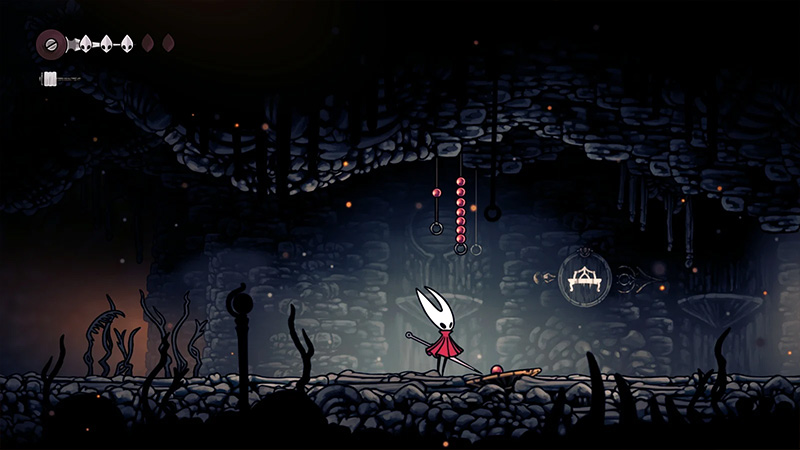
Unlike in the original Hollow Knight, where players control a silent insectoid knight, in Silksong, players step into the character called Hornet, a mysterious figure first introduced in Hollow Knight.
Known as the “princess-protector” of Hallownest, daughter of the Pale King and Herrah the Beast, Hornet embodies both royal lineage and ferocious independence. Unlike the protagonist in the original, Hornet is quiet talkative. She has personality and charm, and can be seen chatting with bugs she meets across the world of Pharloom.
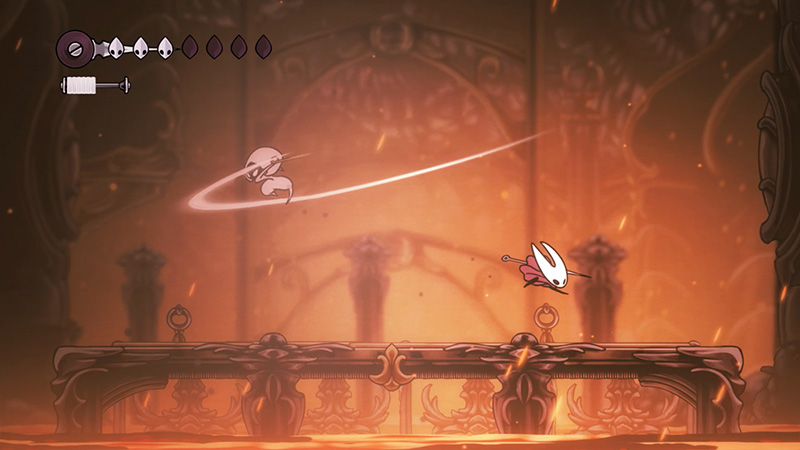
Hornet fights with a unique blend of needle and thread. Compared to the original Knight’s deliberate pace, Hornet is all about fast, acrobatic combat: sprinting, leaping, parrying, striking, and then escaping in the same breath.
Besides new additions, the evolved healing system, a refined quest system, new currencies and mechanics, Silksong is vast and ambitious.

Silksong isn't like some AAA titles, which utilize high-end technology and sophistications. The game is more like a 2D side-scrolling Metroidvania, than a full-blow 3D game, and and things couldn't get simpler for a game that is released in 2025.
But finishing it isn't as simple as the graphics.
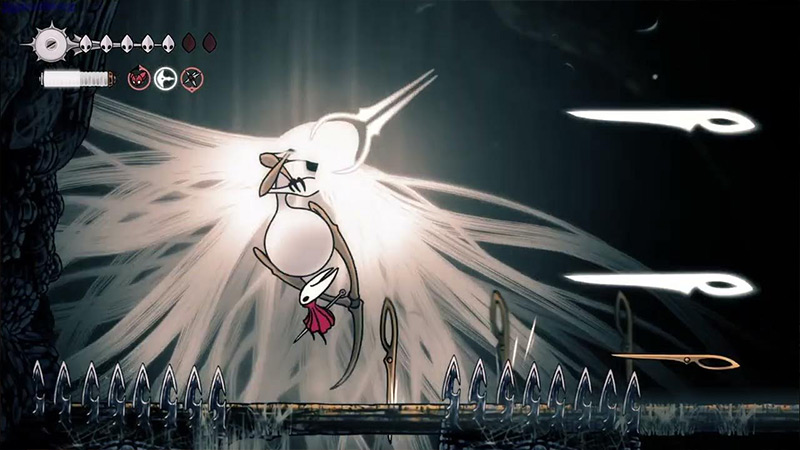
It boasts well over 150 new enemies, more than 40 bosses, and nearly 100 benches (rest and save points), spread across beautifully drawn locales like coral forests, misted moors, mossy grottos, and gleaming citadels.
Clips circulated on TikTok and YouTube of players being mercilessly flattened, accompanied by a two-word mantra that became the rallying cry of the moment: “Git Gud.”
That phrase, long a fixture of gaming culture, seemed tailor-made for Silksong. The Hollow Knight series has always been about resilience—dying, learning, and trying again.
Fans embraced the difficulty with equal parts pride and frustration, adopting “Git Gud” as both self-mockery and badge of honor.
For most of the world, Silksong’s launch was the triumphant payoff of nearly a decade of waiting. But not everyone experienced the same elation.
But in China, the celebration was cut short by a problem that had nothing to do with gameplay or servers: the translation.
While the global version of Silksong soared to "Overwhelmingly Positive" reviews on Steam, Simplified Chinese reviews plunged the rating into "Mixed." The issue wasn’t bugs or crashes, but language, specifically, a baffling localization that left fans outraged.
The Chinese text was written in such an archaic, over-the-top style that players compared it to a high-school drama club attempting Shakespeare.
Quest hints that were supposed to guide instead turned into riddles; simple NPC chatter ballooned into incomprehensible word salad. Fans mocked passages that, when re-translated back into English, read like parodies: "With nary a spirit nor thought shalt thou persist… thy heart besieged by phantasmal demons… verily, thou art the Primordial Knight of Hollowness."
For players seeking immersion, it was maddening. For many, it made the game borderline unplayable.
Adding to the anger was the revelation that one of the two credited translators had previously broken their NDA, leaking details about Silksong’s development online.
Compared to the six translators who worked on the original Hollow Knight, the small, seemingly careless localization effort felt like a betrayal. Review bombs poured in, with thousands of negative Chinese reviews piling onto Steam in just a few days. What should have been a celebration of artistry instead became a flashpoint for resentment in one of the world’s largest gaming markets.
Team Cherry responded swiftly, acknowledging the backlash and promising to overhaul the translation. Matthew Griffin, who handles PR for the studio, assured fans that updates would be rolled out in the coming weeks to fix the issues. But by then, the damage was done: Silksong had become a cautionary tale about how even the most successful launches can stumble when localization fails to respect its audience.
Yet despite the turbulence in China, and whether players proudly wear their "Git Gud" scars, Silksong’s cultural footprint remains undeniable.
Its launch was bigger than many AAA games, its memes took over timelines, and its lore instantly reignited endless fan theories.
Silksong commanded attention everywhere.
In the end, Hollow Knight: Silksong’s release was a paradox: both a triumph that broke records and a fiasco that sparked fury.
It was messy, beautiful, frustrating, and unforgettable. And perhaps that’s fitting.
After all, Silksong has always been about struggle, about falling and rising again. In that sense, even its rocky launch feels like part of the story.
The game is a challenge for everyone, not just inside the game, but to those around it.

















































































































































































































































































