In the temporarily occupied Crimea, authorities have begun turning mobile internet restrictions from occasional interruptions into a long-term reality, a shift that critics say serves political control more than security.
Russian-installed officials on the peninsula, led by Governor Sergei Aksyonov, publicly framed the measures as necessary to counter threats during the ongoing war in Ukraine, claiming that limiting mobile data access helps prevent hostile actions such as drone attacks.
Aksyonov has suggested these limitations could last "for the duration of the war," with slower speeds or complete outages becoming commonplace.
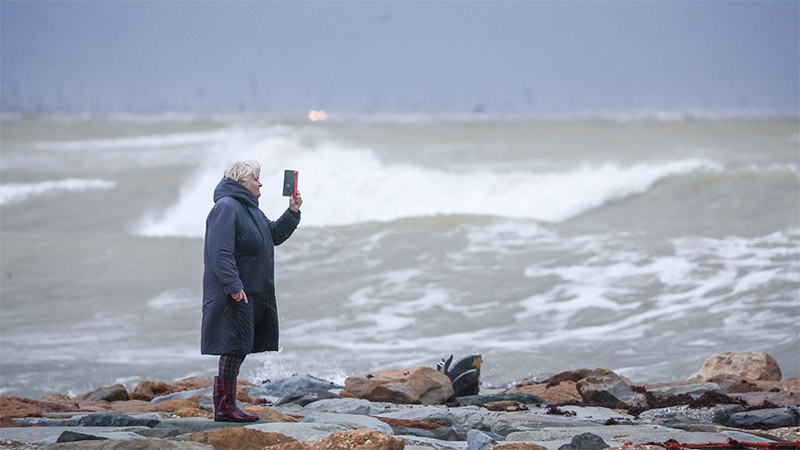
"We simply need to accept this reality and adapt," Aksyonov said to the state-run news outlet Sputnik, suggesting that the restrictions may come in the form of slower internet speeds or a complete outage.
"We can’t let the enemy use the internet against us," he later wrote on Telegram, citing regular drone attacks by the Ukrainians, some of which he said rely on Russia's mobile phone networks for remote control.
However, Ukrainian resistance groups like the Center for National Resistance argue the real purpose is tightening control over information and freedom of communication.
According to their analysis, deliberate shutdowns and artificial slowdowns of mobile networks are no longer temporary crisis responses but are being embedded into the governance model in occupied territories. This means access to mobile internet can now be restricted unpredictably and without clear criteria, creating an environment of constant uncertainty for residents.
Security agencies reportedly view unrestricted mobile internet as a "risk factor" because it enables people to self-organize, document abuses, and share unofficial information outside state-controlled channels.
Under this logic, authorities plan to expand shutdowns during sensitive moments, such as shelling, major events, or spikes in social unrest, further eroding residents’ ability to communicate freely.
The effects on everyday life are significant.
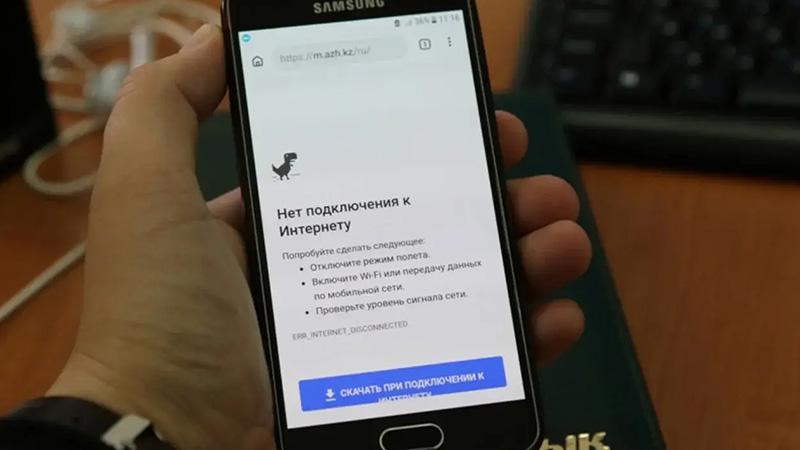
Beyond limiting social and political expression, these restrictions degrade essential services: emergency response, healthcare coordination, banking operations, independent news access, and economic activity all suffer when connectivity is unreliable or cut off entirely.
Reports also indicate that messaging apps like Telegram and WhatsApp have been partially restricted, with authorities encouraging the use of Russian alternatives instead.
Residents describe practical hardships: difficulties in card payments and ATM use during prolonged outages have been widely reported, with some stores forced to operate on credit as cash access becomes limited.
Local people feel "trapped," unable to access basics like food, medicine, and financial services when networks go down.
This pattern is not unique to Crimea; similar shutdowns have been documented across other Russian-controlled regions in Ukraine, and internet blackouts have also been reported in multiple Russian regions under various pretexts tied to security.
A broader trend of systematic mobile internet shutdowns across occupied and domestic areas reflects how digital connectivity is increasingly weaponized in the context of the war.
Human rights groups and international observers have raised alarms about the erosion of digital freedoms, noting that internet restrictions in wartime can quickly become tools of repression when used without transparency, oversight, or clear legal frameworks.
In Crimea’s case, critics warn that what was once temporary emergency measures may now be hardening into a sustained mechanism of information control and societal isolation.






















































































































































































































































































